Mark DaCosta-As Guyana marks 60 years of Independence, the A Partnership for National Unity/People’s National Congress Reform (APNU/PNCR) has accused the government of failing to translate the nation’s growing wealth into meaningful improvements in the lives of ordinary citizens, arguing that the promise of independence remains unfulfilled for many Guyanese.
At a press conference last Friday, the opposition coalition released a statement urging citizens to look beyond the symbolism of Independence celebrations and confront the realities of rising living costs, economic hardship, inequality and exclusion. The coalition called for national reflection on what freedom, sovereignty and self-determination truly mean six decades after Guyana attained independence.
The statement from the APNU/PNCR marks a crucial moment of reflection as our country prepares to celebrate six decades of sovereignty. It urges citizens to contemplate not just the historical significance of Independence, but the contemporary realities that continue to shape their lives. The coalition posits that genuine independence transcends mere symbolism; it is about empowering the Guyanese people to control their own destiny. As they highlighted, “Independence is not just a flag, a parade, or a national holiday,” asserting that citizens must take a proactive stance in claiming their stake in the nation.
The legacy of independence is intrinsically linked to the struggle, sacrifice, and vision of leaders such as Linden Forbes Sampson Burnham, the coalition’s perspective is steeped in nostalgia for his era as the foundational architect of present-day Guyana. They contend that while political sovereignty was achieved on May 26, 1966, true control over the nation’s economy remains elusive. The APNU/PNCR emphatically stated, “Political independence alone was not enough.” This sentiment echoes Burnham’s belief that “a country could raise its own flag… and still have its economy controlled by others.”
As conversations around the forthcoming anniversary unfold, the coalition highlights that economic transformation is vital. The burgeoning oil industry has brought unprecedented revenue to our nation, yet many citizens grapple with poverty and hardship. “If the country is so rich, why are so many people still struggling?” they questioned, drawing attention to the stark contrast between national wealth and ordinary citizens’ experiences. The tone of the statement is one of frustration, lamenting that despite the government’s celebratory expenditures, the everyday realities of citizens remain largely unaddressed.
The coalition pointed to the increasing cost of living as one of the most pressing issues facing households today. They condemned the government for its “failure to manage the cost-of-living crisis,” and noted that policy decisions do not appear to reflect an understanding of the struggles that ordinary people face daily. They cited the minibus fare dispute as a clear indicator of the economic pressures affecting both operators and passengers alike. “Threats against minibus operators will not lower food prices,” they asserted, urging the government to consider real measures of relief instead of resorting to punitive measures.
Moreover, the coalition’s statement calls for a reassessment of economic policies aimed at genuinely benefiting citizens, particularly in the context of rising prices and stagnant wages. They advocate for reducing Value Added Tax (VAT) on essential goods and increasing the income tax threshold, so workers can keep a more substantial portion of their earnings. “Families are working harder but falling further behind,” is how they summarised the plight faced by many. This observation speaks volumes about the disconnect between government policies and the realities of the populace.
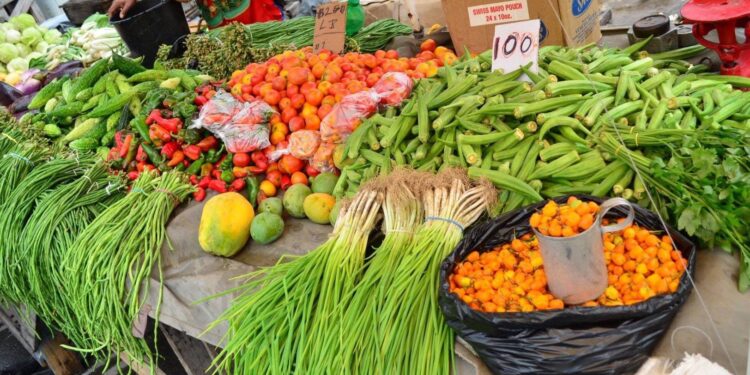
APNU/PNCR’s emphasis on sustainable development is evident as they advocate for significant investment in agriculture and local food production, with an insistence that the nation must reduce its reliance on imports. The coalition criticises the government, arguing that “Guyanese must actually experience the benefits of an adequate food supply.” They assert that the wealth generated from oil should translate into tangible improvements in the quality of life for all citizens.
The coalition does not shy away from stressing the importance of inclusivity, urging the government to ensure that “no Guyanese should feel like a stranger in the land of their birth.” They maintain that true independence encapsulates fairness and opportunity for all ethnic and social groups, thereby fostering a shared sense of ownership in their diverse nation. The core message remains that a government cannot claim success if its citizens are left behind, articulated in both their press conference and statement