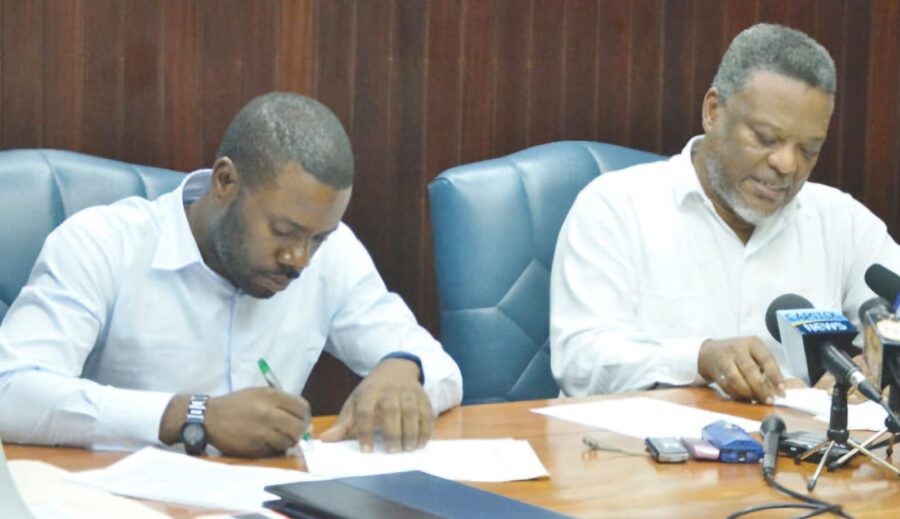
Fourteen years after the people of Linden staged a 33-day protest that forced the Government to reverse a controversial electricity tariff increase, much of the broader promise contained in the historic August 21 Agreement remains unfulfilled.
A Partnership for National Unity (APNU) Member of Parliament Sharma Solomon, who was Region Ten Regional Chairman during the 2012 crisis and played a leading role in the resistance to the proposed tariff increase of more than 1,100 percent, is using the anniversary to demand that the State honour the agreement in its entirety.
For Lindeners, Solomon argues, the settlement was never simply about cheaper electricity. It was about participation, economic opportunity, access to land, information and having a meaningful voice in decisions affecting their future.
The August 21, 2012 agreement ended 33 days of protests after residents rejected the Government’s attempt to dramatically increase electricity tariffs. The confrontation was preceded by the July 18 deaths of Lindeners Alan Lewis, Ron Somerset and Shemroy Bouyea.
A Commission of Inquiry subsequently found the police responsible for the deaths, and the State later paid compensation to the families.
But Solomon noted that the financial settlement could never erase the human cost.
“No payment could adequately answer for the loss of those lives.”
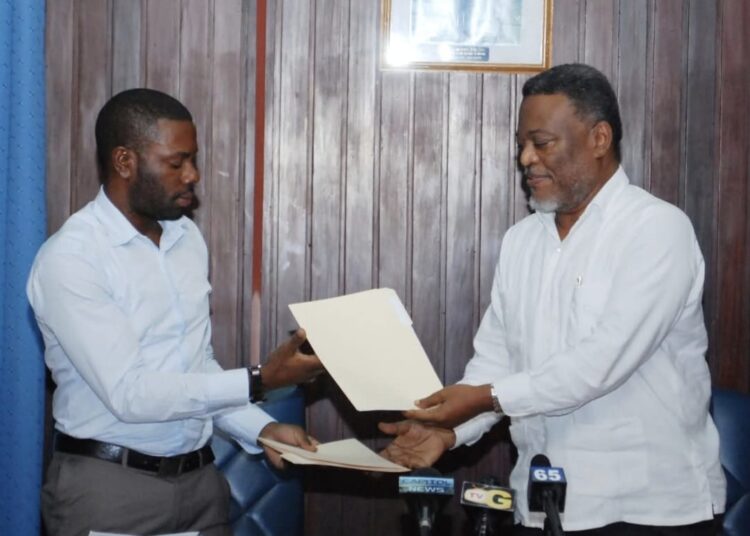
More than an electricity subsidy
The agreement restored the previous electricity arrangement and preserved the subsidy, which remains in place 14 years later.
Solomon said that subsidy must be understood within the context of the settlement rather than treated as a political favour.
“It must therefore be understood for what it is, not a political favour to Linden but part of the settlement reached between the State and the people of Region Ten.”
But the survival of the subsidy, he contends, has overshadowed other commitments made to Lindeners.
A Technical Committee was established to examine the history and cost of electricity, consumption, tariffs and subsidies, affordability, integration into the national grid, conservation, alternative energy and measures to reduce costs.
Fourteen years later, Solomon says those questions remain unresolved.
Guyana’s energy landscape has since been transformed by the oil boom, with the country now generating unprecedented revenues and pursuing major investments in power generation.
Yet Linden still lacks the comprehensive electricity strategy contemplated by the agreement.
“The subsidy cannot be the end of the conversation. The question is what kind of electricity system Region Ten should have, what it should cost, how it should be sustained and how it fits into the region’s economic future.”
Where is Linden’s economic plan?
The Economic Committee was created to confront perhaps the biggest question facing the region: “what is the economic future of Linden and Region Ten?”
Its mandate included examining Region Ten’s resources, employment, productive sectors, human resources, food security and existing economic programmes, with the ultimate goal of producing a sustainable development plan.
Solomon’s question 14 years later is blunt:
“Fourteen years later, where is that plan?”
The question carries particular weight as Guyana’s oil wealth transforms the national economy.
Linden, historically central to the country’s bauxite industry, has yet to receive what Solomon describes as a deliberate, long-term economic strategy consistent with the region’s contribution to Guyana.
“Linden cannot be expected to develop on speeches and promises. A region that helped build this country through bauxite must have a deliberate place in the country’s new economic future.”
Land remains a promise
Land is another major piece of unfinished business.
The Land Selection Committee was intended to give Region Ten a meaningful role in identifying and allocating land for development. Its work, however, was stalled amid unresolved terms of reference and the absence of the necessary participation from the Lands and Surveys Commission.
For residents, Solomon said, land is directly connected to economic and social advancement.
“Land means housing, agriculture, investment, business and opportunity. Without access to land, regional development remains largely theoretical.”
A voice through television
The agreement also provided for the return of television infrastructure and the establishment of broadcasting capacity in Region Ten.
That commitment, too, remains unfinished.

Solomon said the issue is not merely about having another television station, but about the ability of Lindeners to access information and express themselves in a democratic society.
“This is not simply a broadcasting dispute. It goes to the question of whether citizens in a democratic society should have access to information beyond what is provided through a single state controlled television outlet.”
The unresolved commitments, Solomon argues, raise a larger question about the credibility of agreements between the State and its citizens.
Governments have changed since 2012, but the commitments contained in the agreement remain.
“The State cannot choose which parts of an agreement it wishes to remember.”
And, he added:
“An agreement between the State and its citizens does not expire because a government changes.”
The people still waiting
For Lindeners, the anniversary is therefore about more than remembering the protests of 2012. It is about measuring what has—and has not—been delivered since the agreement was signed.
Solomon said the people of Region Ten did not struggle merely to preserve an electricity subsidy.
“The people of Region Ten did not struggle for a subsidy alone. They struggled for participation, information, economic opportunity, land, dignity and a voice in decisions affecting their future.”
Fourteen years later, he said, those demands remain relevant.
“Fourteen years ago, thirty-three days of protest forced Government to listen. Today, the message is simpler, listen, finish what was agreed and honour the commitment.”
An unfinished obligation to Linden
Fourteen years on, the August 21 Agreement remains more than a historical document. It is a reminder of what can happen when citizens feel excluded from decisions that directly affect their lives—and of the obligations created when the State eventually sits down with them and makes commitments.
The electricity subsidy survived, but the wider promises involving economic development, land, energy planning and access to information remain unfinished.
For Lindeners, the anniversary is therefore not simply a commemoration of the 2012 struggle. It is a question of whether the State will finally complete what was promised to a community that protested, suffered loss and forced Government to listen.
The people of Region Ten, Solomon argues, are not asking for a favour. They are asking for the commitments made in their name to be honoured.
“Honour the agreement. Honour the people.”