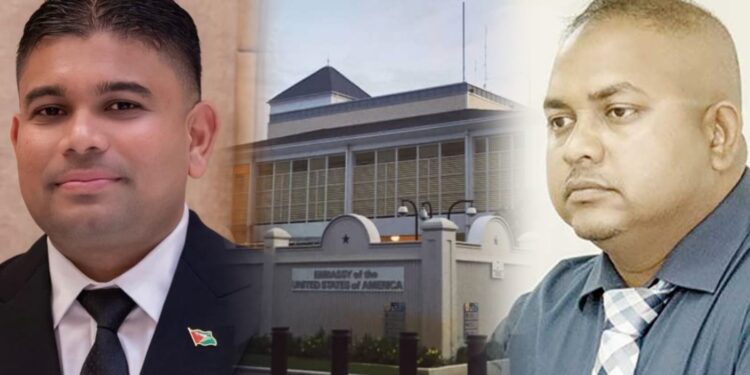
Leader of the Opposition and head of We Invest in Nationhood (WIN), Azruddin Mohamed, has sharply criticised the Government over what he says is poor execution and weak oversight of an $837 million road project being undertaken by Sheriff Construction Group, after residents were left flooded and tombs at a nearby cemetery damaged.
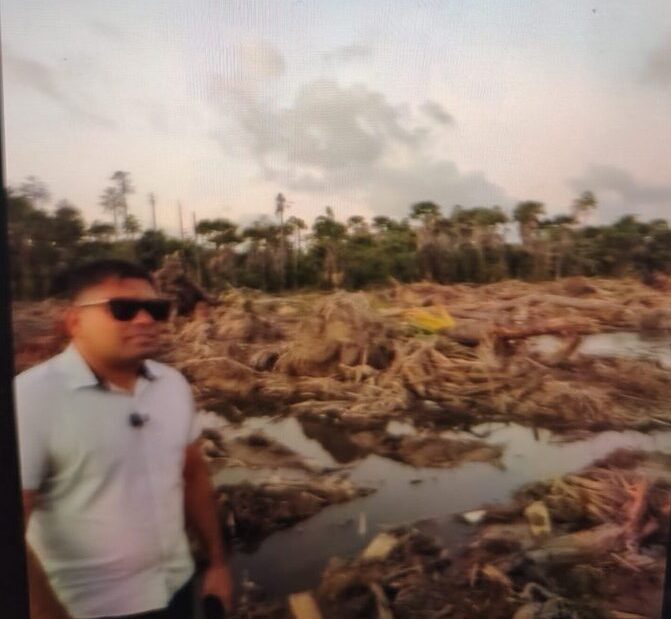
Following a visit to the community between Cemetery Road and Mandela Avenue in Georgetown, Mohamed said the project has become a symbol of wasteful spending and poor planning, with residents now facing floodwaters after drainage canals and trenches were reportedly blocked to facilitate the roadworks.
“Tombs bulldozed as Sheriff Construction struggles to complete just half a mile of road, despite an $837M contract,” Mohamed said, pointing to what he described as a troubling failure in infrastructure planning and execution.
According to Mohamed, the contractor has fallen behind schedule while creating serious hardships for the surrounding community.
“Residents between Cemetery Road and Mandela Avenue are suffering due to the incompetence of Sheriff Construction and a total lack of oversight from the Ministry of Public Works. Sheriff was awarded a staggering $837 million contract for just half a mile of road; the road is way behind schedule and has triggered flooding. They blocked drains and canals to carry out their work. The contractor has left the community underwater; the water in the canals and on the road is now at the same level,” he said.
Mohamed said the situation raises serious concerns about how public infrastructure contracts are being managed, particularly at a time when Guyana is benefiting from unprecedented oil revenues and public spending on development has surged.

The controversy unfolds against the backdrop of Guyana’s oil-driven economic boom, with the country now ranked among the world’s fastest-growing economies and earning billions in petroleum revenues. Yet, despite the unprecedented wealth flowing into state coffers, concerns continue to mount over whether that prosperity is being matched by competent governance, improved public services, and accountable management of taxpayer-funded projects.
Mohamed also raised alarm over the apparent destruction of graves during the roadworks, saying the damage extended beyond roads and drainage into the desecration of burial sites.
“Additionally, we noticed that a tomb with a headstone laid 102 years ago was broken, and several other tombs were also damaged,” he said.
The reported destruction of tombs has heightened concerns over whether proper safeguards and assessments were conducted before excavation and heavy construction began in an area adjacent to a cemetery and residential neighbourhood.
Mohamed said We Invest in Nationhood is calling on the Ministry of Public Works to launch an immediate investigation into the project, the flooding, and the damage to graves.
“The WIN movement calls on the Ministry of Public Works to investigate. The use of nearly a billion dollars in taxpayer money to create man-made disasters that destroy people’s homes is unacceptable,” Mohamed said.
Mohamed’s criticism adds to growing public scrutiny over the execution of government-awarded infrastructure contracts, as complaints over flooding, delayed works, poor workmanship, and weak oversight continue to emerge from communities across the country, raising broader questions about value for money and the administration’s management of national development.