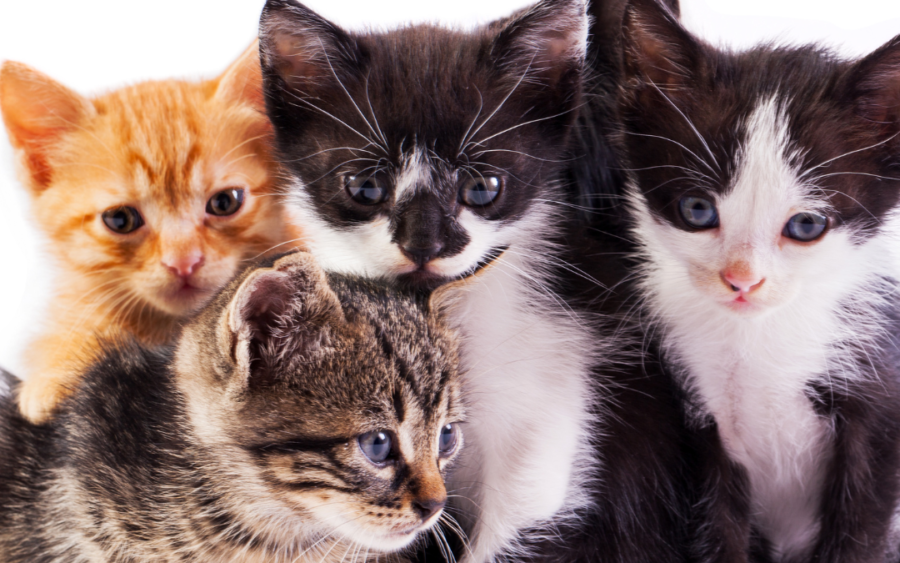
By Mark DaCosta- Throughout the ages, a fascinating narrative has emerged concerning the relationship between cats and humans. In our nation, where the presence of these feline friends is cherished, it becomes evident that rather than simply being pets, cats have been astute manipulators of human interaction. Instead of being dominated, they have subtly woven themselves into the fabric of our lives.
Historically, the overarching tale of domestication has seen humans as the conquerors, taming wild animals to serve their needs. However, the story of the domestic cat is remarkably different. It is believed, according to experts, that approximately 10,000 to 12,000 years ago, during the Neolithic age when humans shifted from nomadic hunter-gatherer societies to settled agricultural life, a new dynamic began to unfold. As our ancestors started storing grain, they unwittingly created an inviting environment for rodents, like rats, which in turn attracted wildcats to the settlements. This led to an intriguing symbiotic relationship; cats drew near not to serve, but to feast on the plentiful vermin.
Studies suggest that all domesticated cats are descendants of the Near Eastern wildcat, and adaptation played a vital role in their survival alongside humans. Those cats that displayed a lesser fear of human activity flourished, ultimately leading to the coexistence that we observe today. Unlike dogs, which were intentionally bred for specific roles, cats took a more nuanced approach, choosing to live alongside humans by virtue of their own clever strategies. And Guyanese know that cats are cute and clever.
The historical path of cats tells a compelling tale of their global expansion, ingeniously riding on the coattails of human progression. Early evidence in Cyprus from around 8000 BCE shows that cats not only coexisted with humans but held a place of emotional significance, as evidenced by the burial of a cat alongside its human companion. By 2000 BCE, the Egyptians had elevated cats to divine status, worshipping them as symbols of protection and fertility, which safeguarded their lives at a time when cat persecution was rampant in Europe during the later medieval period due to superstitions around witchcraft.
However, what truly sets cats apart in their relationship with humans is their vocalisation. In the wild, cats rarely communicate through meows; instead, they rely on body language and scent. But domestic cats have evolved their meows to tap into human emotions effectively. Research highlights the presence of a unique “solicitation purr,” a sound that incorporates a cry reminiscent of a human infant, compelling humans to respond with nurturing instincts. This clever manipulation demonstrates how cats have become attuned to human psychology and evolved their communication to ensure they remain our favourites.
In our nation, the complexity of the cat-human bond may even delve into darker territories. Contemporary theories suggest a form of social parasitism, where not just affection but a manipulative influence could be at play. Toxoplasma gondii, a parasite found in cats, has been argued to affect human behaviour, nudging people toward feline companionship. Additionally, it appears that cats regard us not as their subordinates but as clumsy surrogate caregivers, using behaviours reminiscent of kittenhood to maintain this bond with us.
Expert opinions shed light on this fascinating dynamic, with sociobiologists highlighting how, unlike any other domesticated animal, cats have preserved their independence while forging an emotional attachment with us. Dr. John Bradshaw, a prominent anthrozoologist, articulates that cats sought us not for survival but rather for mutual convenience, perfectly encapsulating their unique position in human households.
In embracing these enigmatic companions, our nation illustrates not just a fondness for furry creatures but a shared journey that reflects a profound relationship marked by respect, affection, and, occasionally, a hint of mystery. These astonishing roles of cats in our lives and the inseparable bond we share only reiterate why they remain dominant figures in our homes, trusted allies that have cleverly tamed the hearts of humans.