By Mark DaCosta-In this International Women’s Month, our focus sharpens on the critical issues affecting women, especially the battle against breast cancer that significantly impacts their lives in our nation. While this disease does not discriminate and can occur in men, it is primarily women who bear the brunt of its devastating effects.
Breast cancer stands as the most commonly diagnosed cancer in our country and is the leading cause of cancer-related mortality among women. Statistics from the World Health Organization suggest that approximately 23 percent of all new cancer cases here are linked to this formidable illness, highlighting an urgent public health challenge.
Alarmingly, the mortality rates are soaring, with the country’s data indicating that late-stage diagnoses due to a lack of accessible healthcare facilities and educational resources contribute significantly to this crisis. Authorities have stressed that many women face advanced stages of breast cancer, making successful interventions exceedingly difficult.
The roots of breast cancer are multifaceted, intertwining genetic factors with lifestyle choices. Approximately 5 percent to 10 percent of cases are hereditary, primarily driven by mutations in genes such as BRCA1 and BRCA2. Women with these mutations face a staggering risk of developing breast cancer, with statistics indicating a lifetime risk of up to 72 percent.
Furthermore, environmental and lifestyle factors — including long-term exposure to estrogen, obesity, physical inactivity, and alcohol consumption — also heighten the risk. In fact, lifestyle changes could potentially prevent nearly half of all breast cancer cases, according to health experts.
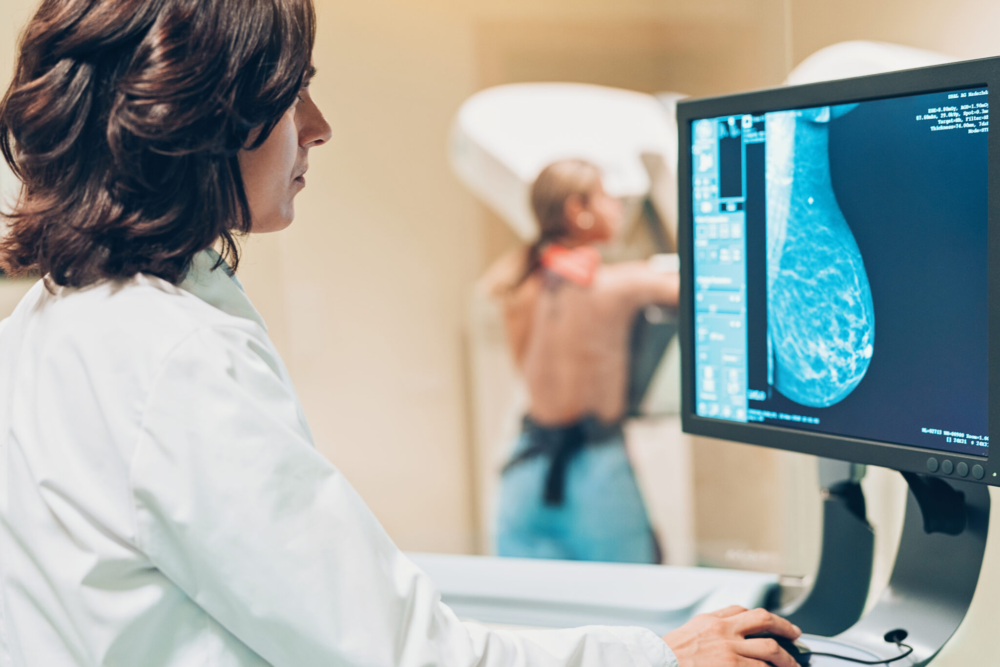
According to cancer specialists, the importance of early detection cannot be overstated, as it is pivotal in improving survival rates. Current guidelines recommend women aged 40 to 74 have annual mammograms, with recent efforts by the Ministry of Health to improve access to these vital screening services.
Digital mammography units are now being installed in hospitals across various regions, aiming to enhance the detection of breast cancer in both urban and rural areas. However, despite these advancements, there remains an urgent need for continuous education and awareness, enabling women to recognise symptoms early and act promptly.
Symptoms to watch for include any unusual lumps or changes in the breast, such as alterations in size, shape, or texture. Early-stage breast cancer boasts a five-year survival rate of nearly 99 percent when diagnosed promptly, yet many women in our nation find themselves unaware of the signs or unable to access necessary screenings. This gap underscores the responsibility of government authorities to promote comprehensive health education and ensure that no woman is left unaided in her fight against breast cancer.
Treatment options have evolved, moving away from a blanket approach to personalised treatment plans encompassing surgery, radiation, and chemotherapy. New and innovative therapies such as Antibody-Drug Conjugates (ADCs) represent real hope in the battle against this disease. These targeted therapies deliver medication directly to cancer cells, minimising harm to surrounding healthy tissue. Furthermore, oral options for hormone-receptor-positive cancers are emerging, providing women with more accessible treatment choices.
Nevertheless, the fight against breast cancer extends beyond medical intervention. It encompasses a holistic approach, addressing the mental health needs of survivors and providing them with support systems to navigate the emotional challenges that arise following a diagnosis. The need for a comprehensive mental health framework alongside physical treatment is paramount, yet it remains an area needing more focus from our government.
As our nation observes International Women’s Month, the call to action becomes clearer: advocacy is essential. We must ensure that there is sustained investment in healthcare infrastructure and services that cater specifically to women. By prioritising education on risk factors, enhancing screening accessibility, and promoting robust treatment options, we can empower women to take charge of their health.
Breast cancer is undoubtedly a formidable opponent, but it is not insurmountable. For the women in our country, the journey ahead involves vigilance, education, and systemic support. Our authorities must champion these efforts, ensuring that every woman, regardless of her socio-economic status, has access to the resources she needs to fight this disease.
Awareness is just the start; immediate action and advocacy pave the way for the hope of survival. The message this month is clear: education and early intervention can save lives, and we each have a role to play in advocating for a healthier future for women in our nation.