By Mark DaCosta- Amidst growing wealth from our nation’s oil sector, a stark contrast emerges between the economic statistics being celebrated by the Government and the harsh realities faced by the ordinary citizen. A Partnership for National Unity (APNU) has articulated these grievances, urging the ruling party to shift its focus from superficial headlines to the pressing needs of the populace.
The oil boom has propelled our economy into one of the world’s fastest-growing, yet many citizens find themselves grappling with poverty, insufficient wages, and rampant inflation. The opposition party has made a loud call for the current administration to prioritize equitable distribution of resources and genuine economic opportunities for all.
The revenue from oil extraction in our nation is substantial, but it seems that the benefits are not reaching the majority of the people, as many continue to struggle under the weight of rising living costs. This widespread sentiment highlights an alarming disconnect between official narratives and the lived experiences of Guyanese.
APNU has noted, “the economy may be booming, but the people are still struggling,” shedding light on the despair felt across communities where families cannot make ends meet. Young people, aspiring to secure meaningful employment, often find their paths blocked by inadequate job prospects, particularly in sectors beyond oil.
In a move that has been greeted with scepticism, the Government recently announced a cash grant of $100,000. While this gesture is intended to provide immediate relief, critics argue that it merely scratches the surface of the deeper economic issues at hand.
As APNU criticises, “a one-off payment does not fix the structural problems facing the country,” demonstrating that temporary financial relief is no substitute for long-term economic development. The public overwhelmingly seeks permanent solutions that would enable them to attain financial independence and stability rather than reliance on state handouts.
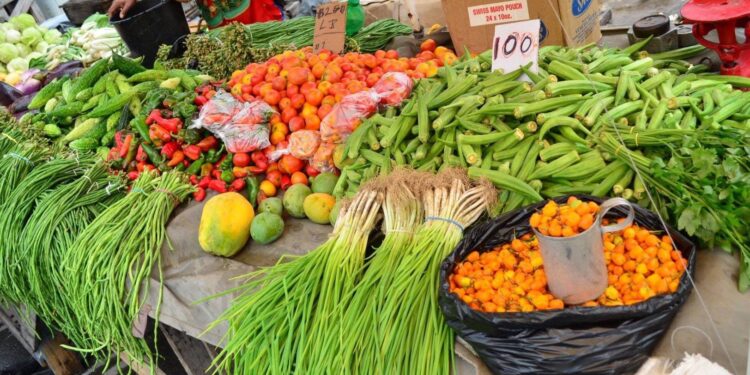
Compounding these frustrations is the escalating cost of living. Reports from citizens reveal that food prices continue to soar, rents have become exorbitant, and the dream of homeownership is slipping further away from the grasp of many.
Essential workers, including teachers and nurses, are particularly affected, as they find their wages failing to keep pace with the increasing expenses of everyday life. There is a growing demand from APNU that the Government implement a significant wage increase for public servants, “at least a 25 percent increase” to help them cope with the financial strain imposed by inflation.
Amidst these difficulties, APNU argues that the management model of the current administration is inherently flawed, structuring benefits predominantly for the elite while largely ignoring the welfare of the average citizen. The party warns, “If most Guyanese are not feeling the benefits of the oil boom, then something is fundamentally wrong with the way the country is managed.” This critique resonates deeply with the populace, many of whom feel neglected as they witness the riches of their natural resources enriching only a select few.
Moreover, APNU questions the sustainability of relying so heavily on oil production alone. They caution that the economy must diversify, warning that an over-reliance on this singular industry could lead to instability. The party advocates for a strategic reallocation of oil revenues, insisting that these funds should foster investment in areas such as agriculture, manufacturing, and technology. This, they argue, would not only create jobs and stimulate growth but would also lay a foundation for a prosperous future that benefits all citizens, especially the youth.
The discontent surrounding the management of oil wealth is further exacerbated by concerns over transparency and accountability. Citizens demand to know how the Natural Resource Fund is being utilised and how oil revenues are contributing to their quality of life. “The people deserve full transparency and accountability,” APNU asserts, highlighting the need for clear communication from the Government regarding its plans for economic development and resource management.
APNU’s stance is clear: leadership is defined by responsible stewardship of national resources. The party emphasises that “responsible leadership requires balancing development today with saving for tomorrow,” urging the Government to adopt a more equitable approach to wealth distribution. As the party remains committed to advocating for the interests of all Guyanese, they underscore the importance of holding the Government accountable for promises made.