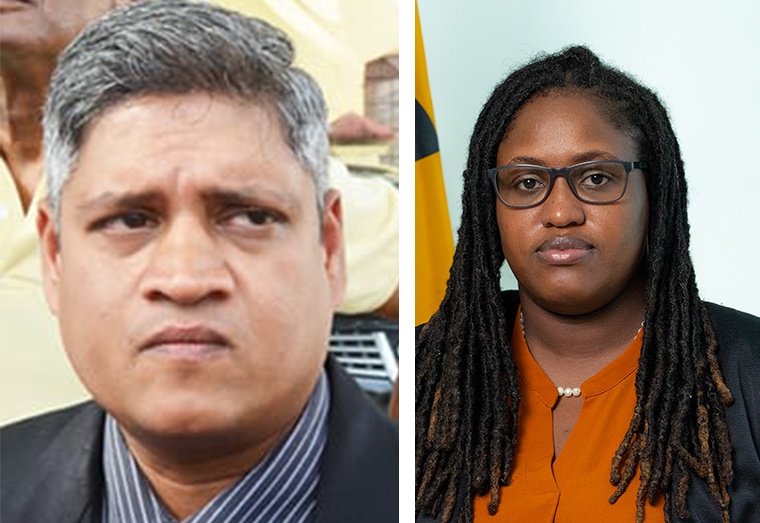
By Mark DaCosta- The announcement made by the government regarding the distribution of a $100,000 cash grant for citizens over the age of 18 has ignited a mix of optimism and scepticism among the populace. The initiative, aimed at alleviating financial burdens, particularly amid the current economic climate, has been dogged by delays and procedural uncertainties. Just as the Central Finance Minister Dr. Ashni Singh shared the anticipated timeline for the rollout, many citizens are left wondering if this declaration will translate into tangible support or become just another empty promise before the impending local elections.
Minister Singh clarified, on March 12, that the very first beneficiaries of this grant will include approximately 50,000 central government employees who have registered their bank details and currently receive their salaries through these accounts. “We anticipate that these government employees will receive their $100,000 cash grant by the end of next week,” he stated, while underscoring that this distribution will be conducted through direct bank transfers, aligned with President Irfaan Ali’s ongoing initiative to encourage financial inclusivity and the use of formal banking systems.
This approach is geared towards providing a seamless and effective transfer mechanism which, according to the Minister, will promote modern banking practices. “A central pillar of this initiative is to promote financial inclusion. This is why we are urging all Guyanese to utilise the formal banking system,” Singh added, reinforcing the narrative of transitioning to a digital framework for disbursements.
While the stated intent, by the government, to harness a digital platform is commendable, citizens are rightfully cautious, recalling previous experiences. The first distribution of the $100,000 cash grant in late 2024 saw over 600,000 citizens receive financial support, yet the process was marred by delays and mismanagement — issues that seem to have followed this initiative into 2026.
Since the announcement of the second cash grant cycle on December 17, 2025, the news has come laden with shifting timelines and vague assurances. Initially promised for early January 2026, the rollout languished as officials turned their attention to the presentation of the new National Budget. By February 10, 2026, while substantial budget allocations were green-lit, no timeline for disbursement was concrete, generating frustration and distrust.
Then, on March 12, Finance Minister Singh pinpointed the beginning of distributions to the first cohort as “next week”, reflecting a staggering delay of nearly three months from the originally estimated timeline without substantial justification nor explanation. This series of postponements raises important questions about the government’s logistical capabilities and its political intentions, especially with local elections pressingly approaching in September 2026.
Observations around the timing of the announcements suggest a correlation between electoral strategy and administrative readiness. For many citizens, this “next week” may feel like another political tactic — a way to appease a frustrated electorate rather than a commitment to consistent and effective governance. Already, doubts linger regarding the actual functionality of the promised digital platforms and systems. Past failures with implementation have led many to approach the latest announcement with guarded apprehension; after all, what assurances do citizens have that this payment will not be hindered by “app glitches” or intricate registration processes for those without bank accounts?
The current government’s historical pattern suggests that these latest commitments could very well become lost in a tangle of bureaucratic inefficiencies, leading to yet another wave of disappointment among the very citizens who desperately need support. The irony of a system designed to enhance digital accessibility and efficiency has not gone unnoticed by the public, particularly those who feel ostracised by formal banking protocols.
In a nation where approximately 50,000 public employees will be the first to feel the benefits of this financial support, it remains paramount to ensure everyone, especially the unbanked or disenfranchised, is afforded equal opportunity to participate in this distribution. The government has pledged to facilitate additional registrations through an online platform which remains yet to be detailed, further breeding scepticism.
As ministerial statements continue to flow, the real challenge lies in matching these promises with competent execution. Citizens throughout our nation are yearning for a government that not only articulates plans for financial aid but also delivers functionally and responsively. The narrative thus far resembles a well-trod path filled with promises that too often dissolve before reaching the hands of those who need assistance.
Until the funds are successfully disbursed, many remain sceptical. In this era of political posturing, where does the line between promise and reality truly lie? Only time will tell if the government can turn its proclamations into action before the elections or if it will once again leave the citizens of our country standing at the threshold of expectation, only to remain unfulfilled.