By Mark DaCosta- Recent discussions have raised significant concerns regarding the future of medical training in our country, particularly the long-standing relationship with Cuba that has facilitated the education of numerous Guyanese professionals in various fields. This partnership, tenured over decades, has been instrumental in equipping our nation with essential medical practitioners, including many of the doctors currently serving our communities. Guyana quietly withdrew from the programme last month, amid widespread belief that the decision was driven by United States pressure on Cuba.
Authoritative insights from Adam Harris, a veteran journalist, illuminate the potential impact of strained ties with Cuba on our healthcare system and the wider socio-political landscape.
Harris reflects in his op-ed last Saturday, on the deeply rooted historical context of this alliance, explaining how it began when our nation was in dire need of skilled labour, giving rise to educational programs that enabled countless Guyanese, including notable figures in the medical field, to pursue their studies in Cuba. “Most of the doctors in Guyana are Cuba trained,” he highlights, underscoring the drastic implications of potentially halting these scholarships. The author expresses concern that with the cessation of this programme, the implications will ultimately extend beyond educational opportunities to the health outcomes of our population.
In examining the historical tragedies that have marred this journey, he recounted, “In 1976, on October 6, 13 Guyanese died travelling to Cuba,” a somber reminder of the sacrifices made in pursuit of better healthcare education. The sentiments surrounding this partnership are tinged with nostalgia and concern, as Harris recounts his personal connections to this era, including stories of Dr George Norton and Monica Odwin, who were part of the Cuban-trained medical workforce. This personal touch reflects the profound and lasting impact such programmes have had on individual lives and, consequently, on our nation’s fabric.
However, Harris draws attention to the inhibiting influences of external political pressures, particularly from the United States, suggesting that a similar request for Guyana to withdraw from its relationship with Cuba has been made. “The nation did notice that the annual programme… seems to have stopped,” he observes, indicating a troubling trend that could signify the end of an era for Guyanese medical education. With the current administration remaining uncommunicative regarding these developments, there is growing unease that our citizens may bear the brunt of this shift.
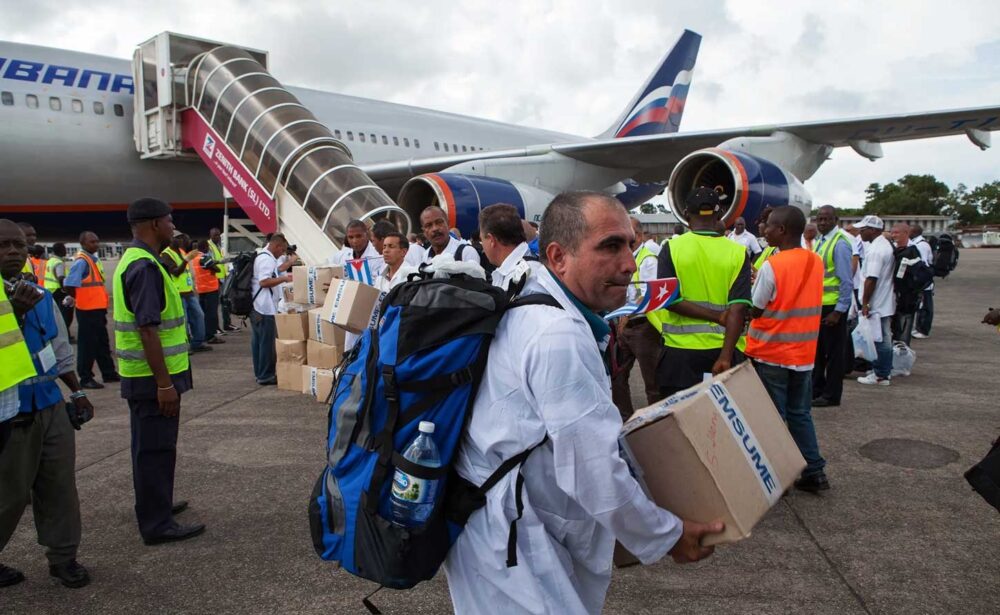
Despite these challenges, our nation has also benefitted from international assistance, particularly through the Cuban and Chinese Medical Brigades. Harris notes, “While this was going on Guyana was benefiting from the Cuban Medical Brigade,” yet with recent trends suggesting a decline in their presence, the future of medical support remains uncertain. He stresses the importance of sustaining these partnerships in the face of burgeoning infrastructural ambitions, saying, “More Guyanese will die for lack of proper medical care.”
The current climate has also highlighted pressing social issues, particularly concerning the vulnerability of our youth. Harris draws attention to the tragedy surrounding a fourteen-year-old mother who tragically passed away following childbirth, a situation compounded by systemic failings. “The laws of Guyana state that a child under 16 cannot consent to sex,” he reminds us, illustrating the stark reality of statutory rape and its resulting failures in child protection and healthcare.
The inefficacy of welfare systems is further exacerbated by a lack of accountability when instances of abuse occur. Harris juxtaposes this with the swift responses to reported incidents involving Child Protection Services, thereby raising questions about the prioritisation of the state in safeguarding its most vulnerable citizens. “Whatever the child did… does not warrant that treatment,” he argues, advocating for a more humane and responsible approach to all children’s welfare.
Amidst these grave concerns, the media landscape has also seen its own complications, with Harris pointing out a troubling reduction in press transparency regarding governmental actions. “Getting information is like getting a turtle beak open,” he laments, reflecting on the fear gripping media staff members out of concern for surveillance. This climate of intimidation hampers accountability and stifles vital public discourse.
As our country grapples with these pressing issues, it is imperative that we critically reflect on our healthcare systems, international relationships, and the societal structures that support or fail our citizens. Adam Harris’ poignant reflections provide a necessary wake-up call — urging us to think critically about the implications of inaction, and to champion the health and welfare of our nation’s citizens. It is a reminder that in the pursuit of growth and development, we must remain vigilant to not “cut our noses to spite our faces.”