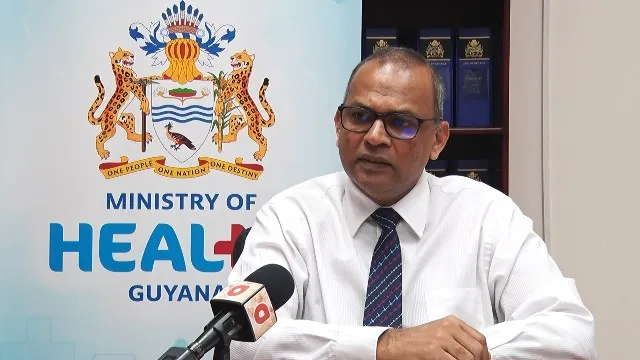
By Mark DaCosta- The recent tragedy at the Georgetown Public Hospital Corporation (GPHC), where seventy-year-old
Abdul Fazlur Tusuf, under suicide watch managed to leap through a ward window to his death, has reignited public concern over the fragility of our nation’s mental health system. In response, Health Minister Dr Frank Anthony has directed that temporary barriers be installed on all hospital windows until more secure designs can be fitted. While this measure is intended to close immediate safety gaps, the recurrence of such incidents raises deeper questions about systemic neglect and the adequacy of institutional safeguards.
Speaking at Eccles Health Centre, Dr Anthony acknowledged that the hospital had already begun modifying its windows after a similar incident last year, when a young pregnant woman, Marissa Eastman, died after jumping from the third floor. That process, however, remains incomplete. The minister admitted that both recent deaths occurred during brief lapses in supervision, despite patients being placed under suicide watch. Repairs to the psychiatric ward have also forced patients into other areas of the hospital, prompting heightened precautions. The barriers, he explained, are a stopgap measure while long-term structural changes are pursued.
Yet the decision to act only after a second fatality invites scrutiny. Why were temporary safeguards not introduced immediately after the first tragedy? Why did it take another preventable death for the ministry to impose urgent measures? These questions point to a troubling pattern of reactive governance, where promises of reform are made but not meaningfully implemented until public outrage forces action. The installation of barriers may reduce immediate risks, but it does not address the underlying failures of administration, supervision, and investment that continue to plague our health system.
The broader context is equally sobering. For decades, our nation has carried the grim distinction of one of the highest suicide rates in the world. Although international reports suggest that numbers have begun to decline, Guyana’s rate remains far above global averages. Legislative reform, such as the decriminalisation of attempted suicide, and initiatives like the 915 helpline and community “gatekeeper” training, have been hailed as progress. Yet these measures are undermined when institutions such as GPHC cannot guarantee the basic safety of patients already identified as high risk. A helpline may save lives in the community, but it is meaningless if hospitals themselves remain unsafe.
According to one doctor, mental illness in our country is widespread, with depressive and anxiety disorders among the most common conditions. Suicide disproportionately affects rural Indo-Guyanese men, though adolescents are increasingly vulnerable. Poverty, unemployment, family disputes, and substance abuse all contribute to despair, while the easy availability of pesticides has made self-poisoning the most common method. Cultural stigma continues to cast mental illness as a moral failing rather than a medical condition, discouraging individuals from seeking help. Against this backdrop, the failure of our leading public hospital to protect patients under its care is not just a lapse in procedure — it is a national disgrace.
The PPP government has been quick to claim credit for reforms, but the repetition of fatal incidents at GPHC exposes a gap between rhetoric and reality. Leadership has failed to translate promises into practice. The fact that a patient under suicide watch could find the opportunity to leap through a hospital window is not merely a tragic accident; it is an indictment of a system that prioritises optics over substance. Barriers on windows may prevent immediate harm, but they cannot substitute for comprehensive mental health infrastructure, adequate staffing, and consistent supervision.
The death of the elderly patient is more than an isolated incident. It symbolises the systemic failure of our nation’s mental health response. If Guyana is to move beyond its grim reputation, it must confront uncomfortable truths: that mental health remains underfunded, undervalued, and insufficiently treated as a public health priority. Temporary barriers may close one gap, but without genuine investment in care, supervision, and infrastructure, patients will continue to fall through the cracks. Our nation deserves better than reactive measures; it deserves leadership willing to ensure that no patient under care dies in circumstances that could and should have been prevented.