By Mark DaCosta-The plight of Indigenous communities in our nation is a poignant reflection of broader global issues, characterised by a struggle for land rights and cultural preservation against a backdrop of exploitation and environmental degradation. Despite their rich heritage and stewardship over vast tracts of land — an astounding 25% of the Earth’s surface — their voices often remain unheard amidst the clatter of modern economic pursuits.
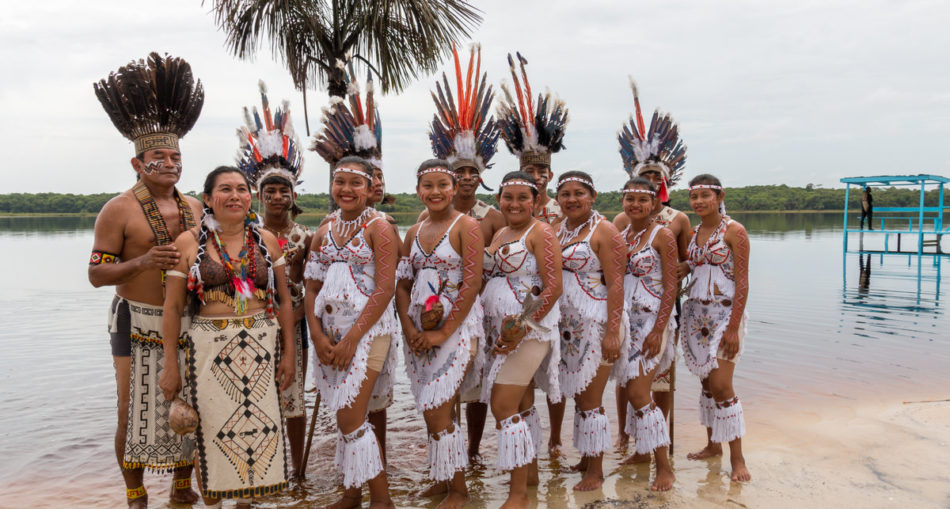
In recent years, our country has witnessed an economic boom spurred by significant offshore oil discoveries, leading to a remarkable GDP growth that has been touted as unprecedented by the current administration. However, this economic prosperity has not translated into tangible benefits for the roughly 120,000 Indigenous peoples who comprise about 10 percent of our population and primarily inhabit the expansive hinterland. For these communities, the wealth generated from our natural resources often feels like a distant dream, threatening rather than nurturing their way of life.
At the heart of their struggle lies the complex issue of land tenure. Despite the government’s implementation of the Amerindian Land Titling (ALT) programme, many Indigenous groups have been left languishing for decades, awaiting legal recognition of their ancestral territories. A community leader from the Upper Mazaruni region articulately summed this predicament: “The law is weak… We are told we own the land, but the government grants mining concessions underneath it to outsiders without our Free, Prior, and Informed Consent (FPIC).” This glaring discrepancy highlights the fragility of their rights, where the legal recognition of surface land ownership fails to protect against intrusion and exploitation by external corporations with government backing.
The rapid progression of mining activities, most notably in gold extraction, poses severe threats to the environment and traditional Indigenous practices. Pollution and mercury contamination from mining operations disrupt waterways, adversely affecting the fishing and hunting that have sustained these communities for generations. Not only are their livelihoods threatened, but the rise in these industrial activities also accelerates the erosion of their cultural heritage. With essential crops like cassava succumbing to erratic weather patterns exacerbated by climate change, many young people are fleeing to urban coastal areas, leaving behind a potential cultural vacuum where traditional knowledge and practices risk being lost.
Moreover, the encroachment of infrastructure such as roads — built not for the benefit of these isolated communities but to facilitate extraction — brings added vulnerabilities. Increased accessibility has led to a surge in trafficking and illicit activities. The impact on Indigenous languages is equally concerning, as the education system primarily operates in English, further alienating children whose familial languages are Macushi, Wapichan, or Akawaio. Such policies reveal a systemic neglect of their cultural identity and educational needs, perpetuating cycles of marginalisation.
Legally, the Amerindian Act of 2006 was designed to protect the rights of Indigenous peoples, but many activists argue that it fails to recognise the socio-economic realities they face today, favouring state-sanctioned extraction at the expense of communal sovereignty. While the administration highlights increased budget allocations for hinterland development and cash grants, detractors contend that these measures often lean towards short-term financial dependency rather than fostering genuine empowerment and sustainable development.
In their silence, the Indigenous communities in our nation are not just seeking aid or charity; they are clamouring for justice, dignity, and recognition of their rights as stewards of their environment. As the global narrative shifts towards sustainable development, our Indigenous peoples stand at a crossroads, underscoring the urgent need for dialogue that prioritises their voices and rights. It is a critical juncture that demands our collective reflection on whether development can indeed coexist with human rights and ecological integrity.
The current government must reconsider its approach, shifting from exploitation to collaboration, ensuring that Indigenous voices are at the forefront of discussions regarding land use and resource management. With the stakes at their highest, we must acknowledge the immense responsibility we carry — to not only protect our environment but also uphold the rights and dignity of those who have been its guardians for millennia. The forests of our nation tell a story of resilience, one that must not be overshadowed by the clashing demands of unchecked development.
As the battle lines become more pronounced, it is our duty as citizens to advocate for a future in which Indigenous peoples are not mere footnotes in the narrative of national progress but rather central characters in the unfolding tale of our nation’s identity and heritage.