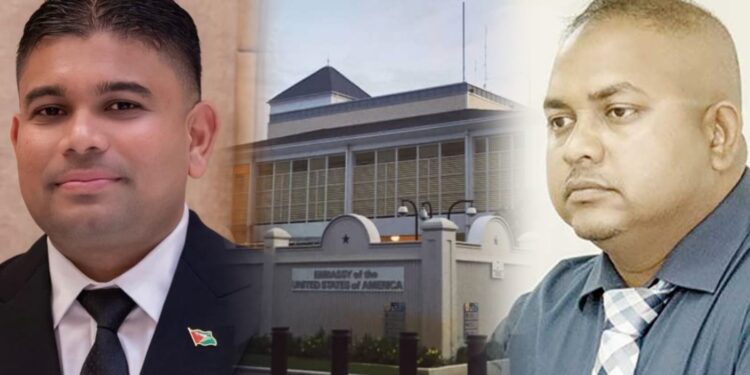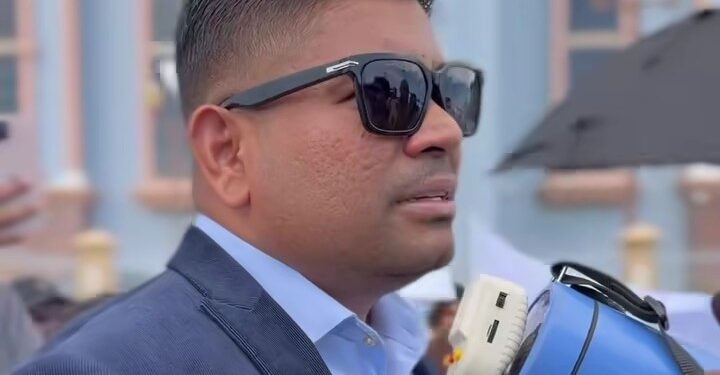
Opposition Member of Parliament (MP) Sherod Duncan has pointed to apparent contractor failure and weak project oversight in the prolonged delay of the Hosororo Secondary School, calling for a forensic audit of the G$2.619 billion project to determine how public funds have been managed.
In a press statement last Friday, Duncan said a recent visit to the project site in Mabaruma, Region One, with Opposition MP Juretha Fernandes and a team showed that the school remains unfinished more than two years after construction began, despite an original construction period of eight months being listed on the project sign.
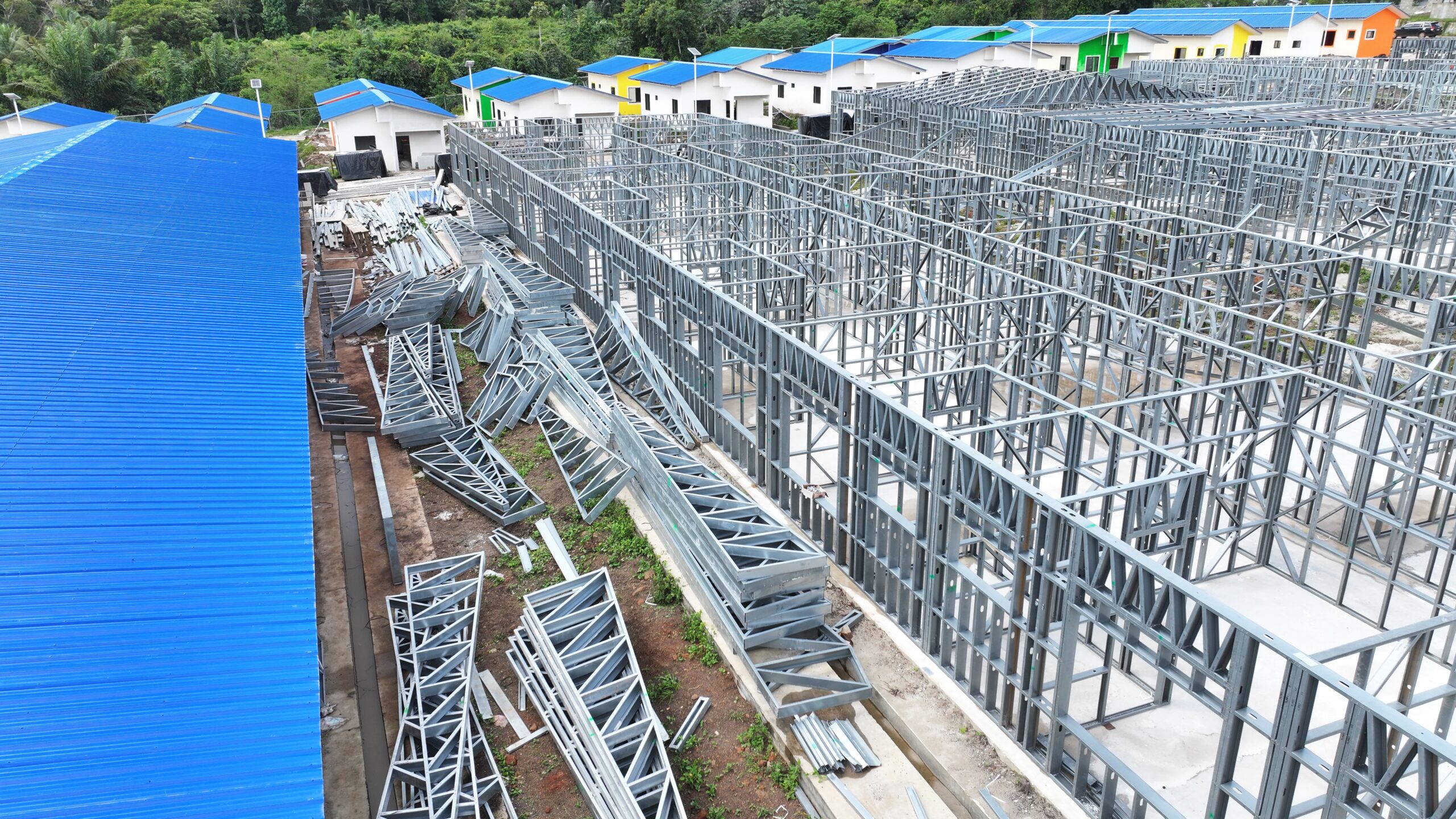
“What is evident is a major public infrastructure project that remains unfinished despite its scale and cost,” Duncan said. While some classrooms are complete, he noted that key components — including student dormitories, teachers’ accommodation, internal works and full site readiness — remain unfinished, with construction materials stockpiled across the compound.
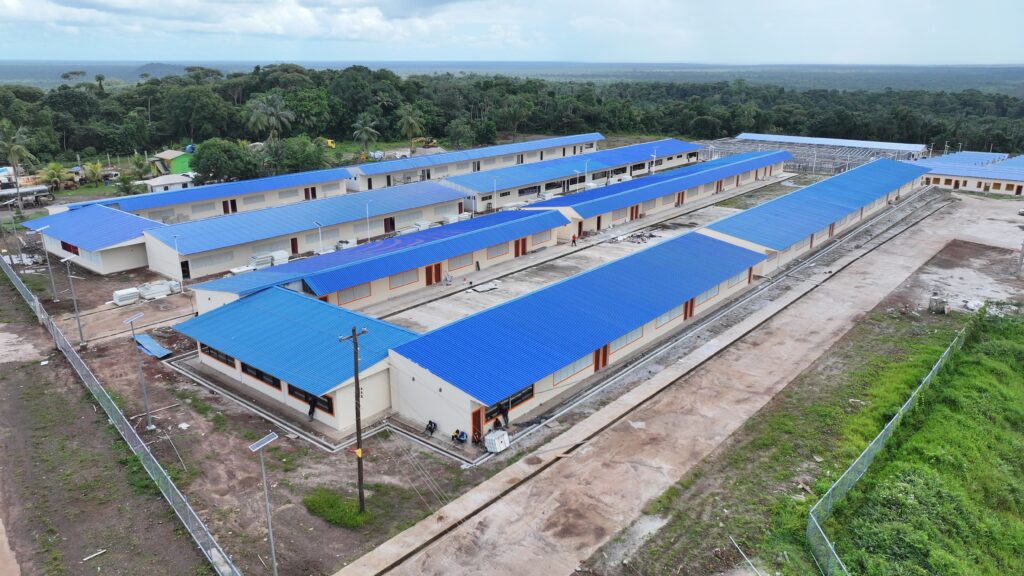
The $2.619 billion contract for the Hosororo Secondary School was awarded in July 2023. At the time, then Minister of Education Priya Manickchand said the school would feature 29 classrooms to accommodate more than 500 students.
The facility was also intended to include a science centre with physics, chemistry and biology laboratories, as well as a technical and vocational education and training (TVET) centre equipped with industrial and home economics laboratories. Plans also included a student dormitory and visiting area to accommodate 200 students, along with duplex living quarters for 20 teachers.
According to the published breakdown, the project was divided into multiple lots awarded to several contractors. Lot 1, site development works, was awarded to International Imports & Supplies at a cost of $280.2 million, while Lot 2, sub-structure works for the school building, also went to International Imports & Supplies for $303.8 million. Lot 3, sub-structure works for the dormitory, was awarded to Supreme Contracting & Supplies at a cost of $196.3 million. Lot 4, sub-structure works for teachers’ quarters, went to International Imports & Supplies for $180.4 million. Lot 5, super-structure works and electrical, was awarded to VG Group Guyana for $1.41 billion, while Lot 6, plumbing works, also went to VG Group Guyana at a cost of $247 million.

Duncan said the prolonged delays point to contractor non-performance and ineffective supervision. “This level of delay cannot be dismissed as routine slippage,” he said, adding that a project originally scheduled for eight months and now extending beyond two years reflects “a serious breakdown in planning, supervision, and execution.” He also raised concerns about continuity and quality control arising from changes in contractors and extensive subcontracting.
The Opposition MP questioned whether contractors have been held accountable under their agreements, asking who approved timeline extensions, what contract variations were issued and at what cost, and whether penalties for delays were applied. He stressed that these issues go directly to value for money and public trust.
Duncan also warned against opening the school before completion of critical facilities, particularly student dormitories and teachers’ quarters. He said operating the school while construction continues could compromise student safety, staff welfare and the learning environment. Public Schools were opened on Monday January 2026 for the Easter Term.
In the public interest, Duncan called on the Auditor General to conduct a forensic examination of the Hosororo Secondary School project, including procurement, contractor performance, contract variations, payments, supervision, timelines and compliance with standards. He said the people of Region One and the wider public deserve assurance that billions of dollars in public funds have been properly spent and that contractor failure, if confirmed, is addressed.
As a member of the parliamentary Opposition representing A Partnership for National Unity (APNU), raising these concerns forms part of the Opposition’s role in holding the government accountable. Analysts note that such scrutiny is central to good governance, helping to expose mismanagement, enforce accountability and ensure that major public infrastructure projects deliver safe and functional outcomes for citizens.