Wednesday, May 27, 2026
Village Voice News
ADVERTISEMENT
  • Home
  • News
  • Sports
  • Editorial
  • Letters
  • Global
  • Columns
    • Eye On Guyana
    • Hindsight
    • Lincoln Lewis Speaks
    • Future Notes
    • Blackout
    • From The Desk of Roysdale Forde SC
    • Diplomatic Speak
    • Mark’s Take
    • In the village
    • Mind Your Business
    • Bad & Bold
    • The Voice of Labour
    • The Herbal Section
    • Politics 101 with Dr. David Hinds
    • Talking Dollars & Making Sense
    • Book Review 
  • Education & Technology
  • E-Paper
  • Contact Us
No Result
View All Result
  • Home
  • News
  • Sports
  • Editorial
  • Letters
  • Global
  • Columns
    • Eye On Guyana
    • Hindsight
    • Lincoln Lewis Speaks
    • Future Notes
    • Blackout
    • From The Desk of Roysdale Forde SC
    • Diplomatic Speak
    • Mark’s Take
    • In the village
    • Mind Your Business
    • Bad & Bold
    • The Voice of Labour
    • The Herbal Section
    • Politics 101 with Dr. David Hinds
    • Talking Dollars & Making Sense
    • Book Review 
  • Education & Technology
  • E-Paper
  • Contact Us
No Result
View All Result
Village Voice News
No Result
View All Result
Home Global

On This Day U.S. President Abraham Lincoln Signs Emancipation Proclamation

Admin by Admin
January 1, 2026
in Global
U.S. President Abraham Lincoln (Library of Congress photo)

U.S. President Abraham Lincoln (Library of Congress photo)

0
SHARES
0
VIEWS
Share on FacebookShare on Twitter

(History) On January 1, 1863, Abraham Lincoln signs the Emancipation Proclamation. Attempting to stitch together a nation mired in a bloody civil war, Abraham Lincoln made a last-ditch, but carefully calculated, decision regarding the institution of slavery in America.

By the end of 1862, things were not looking good for the Union. The Confederate Army had overcome Union troops in significant battles and Britain and France were set to officially recognize the Confederacy as a separate nation. In an August 1862 letter to New York Tribune editor Horace Greeley, Lincoln confessed “my paramount object in this struggle is to save the Union, and it is not either to save or to destroy slavery.” Lincoln hoped that declaring a national policy of emancipation would stimulate a rush of the South’s enslaved people into the ranks of the Union army, thus depleting the Confederacy’s labor force, on which the southern states depended to wage war against the North.

READ ALSO

Iran accuses U.S. of “flagrant” ceasefire violation

Global partnership launched in Beijing to fight poverty, promote development

Lincoln waited to unveil the proclamation until he could do so on the heels of a Union military success. On September 22, 1862, after the battle at Antietam, he issued a preliminary Emancipation Proclamation declaring all enslaved people free in the rebellious states as of January 1, 1863. Lincoln and his advisors limited the proclamation’s language to slavery in states outside of federal control as of 1862, failing to address the contentious issue of slavery within the nation’s border states. In his attempt to appease all parties, Lincoln left many loopholes open that civil rights advocates would be forced to tackle in the future.

Republican abolitionists in the North rejoiced that Lincoln had finally thrown his full weight behind the cause for which they had elected him. Though enslaved people in the south failed to rebel en masse with the signing of the proclamation, they slowly began to liberate themselves as Union armies marched into Confederate territory. Toward the end of the war, enslaved people left their former masters in droves. They fought and grew crops for the Union Army, performed other military jobs and worked in the North’s mills. Though the proclamation was not greeted with joy by all northerners, particularly northern white workers and troops fearful of job competition from an influx of formerly enslaved people, it had the distinct benefit of convincing Britain and France to steer clear of official diplomatic relations with the Confederacy.

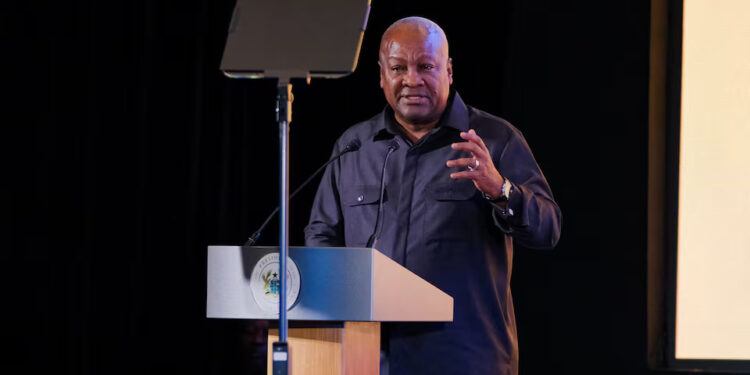
Though the signing of the Emancipation Proclamation signified Lincoln’s growing resolve to preserve the Union at all costs, he still rejoiced in the ethical correctness of his decision. Lincoln admitted on that New Year’s Day in 1863 that he never “felt more certain that I was doing right, than I do in signing this paper.” Although he waffled on the subject of slavery in the early years of his presidency, he would thereafter be remembered as “The Great Emancipator.” To Confederate sympathizers, however, Lincoln’s signing of the Emancipation Proclamation reinforced their image of him as a hated despot and ultimately inspired his assassination by John Wilkes Booth on April 14, 1865.

ShareTweetSendShareSend

Related Posts

Global

Iran accuses U.S. of “flagrant” ceasefire violation

by Admin
May 27, 2026

TEHRAN - (Xinhua) -- Iran's Foreign Ministry on Tuesday accused the United States of "flagrant violation" of a ceasefire reached...

Read moreDetails
Chinese Vice Premier Liu Guozhong
Global

Global partnership launched in Beijing to fight poverty, promote development

by Admin
May 27, 2026

BEIJING, May 27 (Xinhua) -- The Global Partnership for Poverty Alleviation and Development (GPPAD) was officially established on Wednesday at...

Read moreDetails
UN Photo/ICJ A view of the Peace Palace in The Hague, which is the seat of the International Court of Justice.
Global

United Nations World Court Recognises Right to Strike

by Admin
May 25, 2026

(United Nations) -The UN International Court of Justice (ICJ) on Thursday ruled that the right to strike is protected under...

Read moreDetails
Next Post

Democratic credibility does not rest on eloquence alone


EDITOR'S PICK

CCJ ENGAGEMENT EXPOSES FEEBLE QUALITY OF MOHAMMED EXTRADITION PROCESS

April 1, 2026

Alexander demands public apology from Jagdeo for defaming character; and $50 million or reasonable counteroffer on or before September 3

August 31, 2022

93-year-old man and 71-year-old woman latest COVID-19 fatalities

December 16, 2020
Photo: CFP

Some leaders of developed countries not on the invitation list for the 3rd Belt and Road Forum: source

August 12, 2023

© 2024 Village Voice

No Result
View All Result
  • Home
  • News
  • Sports
  • Editorial
  • Letters
  • Global
  • Columns
    • Eye On Guyana
    • Hindsight
    • Lincoln Lewis Speaks
    • Future Notes
    • Blackout
    • From The Desk of Roysdale Forde SC
    • Diplomatic Speak
    • Mark’s Take
    • In the village
    • Mind Your Business
    • Bad & Bold
    • The Voice of Labour
    • The Herbal Section
    • Politics 101 with Dr. David Hinds
    • Talking Dollars & Making Sense
    • Book Review 
  • Education & Technology
  • E-Paper
  • Contact Us

© 2024 Village Voice