(WiredJA)-Ask any Caribbean child about cerasee, and you’ll likely witness a grimace that transcends borders. From Kingston to Port of Spain, from Bridgetown to Georgetown, the ritual of being “drenched” with this notoriously bitter tea remains a rite of passage—an act of love disguised as punishment. Yet behind that puckered face lies centuries of ancestral wisdom that modern science is only beginning to unravel.
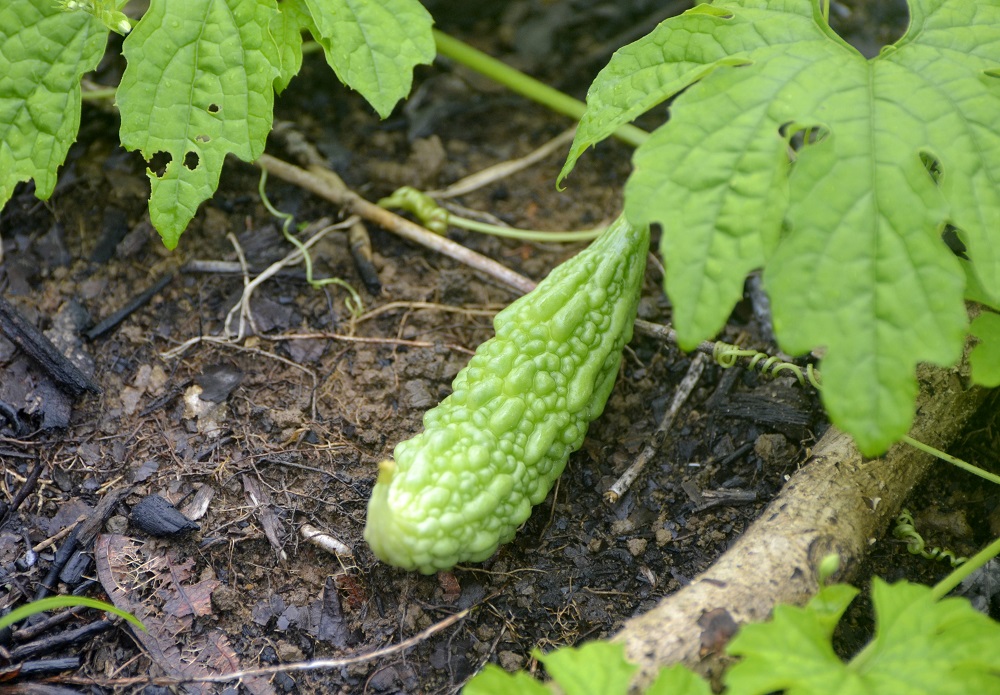
Cerasee/Corilla tea, known in scientific circles as Momordica charantia and elsewhere as bitter melon or karela, occupies a sacred place in Caribbean folk medicine. Native to Africa and the Middle East, this climbing vine with its distinctive warty fruit and delicate yellow flowers has flourished across the region for generations. While Asian cuisines celebrate the fruit itself, Caribbean tradition favours the leaves and stems, boiled into a tea so bitter that honey and condensation milk become essential companions.
The preparation is deceptively simple: fresh or dried cerasee bush is placed in boiling water and left to steep until the liquid turns a distinctive greenish-brown. What emerges is a beverage that rural grandmothers have long prescribed for everything from “bad blood” to belly troubles, from fever to “sugar” complaints.
What Traditional Healers Have Always Known
A 2020 survey of 345 Jamaicans revealed what Caribbean people have understood intuitively: cerasee ranks among the most commonly used herbal medicines for treating high blood pressure and diabetes. The tea’s purported benefits extend to digestive complaints including constipation and parasitic infections, skin conditions when applied topically, and what Caribbean folk tradition calls “blood purification”—a cleansing of the body’s systems.
Traditional Jamaican practice even prescribes specific usage patterns. Elders recommend limiting consumption to one or two cups daily and taking a nine-day break periodically to prevent potential liver complications. This indigenous dosing wisdom suggests a sophisticated understanding of the plant’s potency long before clinical trials existed.
The Science Catches Up
Modern researchers have identified over 200 compounds within the bitter melon plant, including saponins, triterpenoids, polyphenols, and flavonoids. These bioactive substances demonstrate antioxidant, antimicrobial, and anti-inflammatory properties in laboratory settings. A 2008 study confirmed that leaf extracts exhibited powerful antioxidant activity capable of protecting against cellular damage, while separate research demonstrated the plant’s ability to inhibit harmful bacteria including E. coli.
The diabetes connection proves particularly compelling. The plant contains charantin and polypeptide-p—compounds that appear to mimic insulin’s blood sugar-lowering effects. Animal studies have shown significant reductions in blood glucose levels, with some research suggesting the plant may help regenerate pancreatic beta cells responsible for insulin production.
However, a critical caveat demands attention: most promising research has utilised concentrated fruit extracts rather than the leaf-and-stem tea Caribbean people actually drink. No clinical trials have specifically examined cerasee tea’s effects on human health, leaving a significant gap between laboratory promise and real-world application.
A Necessary Word of Caution
The same potency that makes cerasee therapeutically interesting also renders it potentially dangerous. Pregnant women should strictly avoid the tea, as the plant possesses documented abortifacient properties and may cause contractions and pregnancy loss. The herb’s antifertility effects extend to both sexes, potentially affecting hormone levels in women and sperm production in men.
Those managing diabetes with medication face particular risks: combining cerasee with pharmaceutical treatments could trigger dangerously low blood sugar levels. Animal research also suggests that excessive consumption may reduce haemoglobin levels, potentially causing anaemia.
Honouring Tradition, Embracing Evidence
Cerasee tea represents something larger than a folk remedy—it embodies Caribbean resilience and the preservation of African healing traditions across centuries of displacement. The bitter cup connects generations, carrying forward knowledge that survived the Middle Passage and took root in new soil.
Yet wisdom demands balance. While the scientific community slowly validates what Caribbean grandmothers have always known, consulting healthcare providers before adding cerasee to any wellness routine remains essential. The bitter truth? This humble bush tea deserves both respect for its heritage and rigorous study for its future.