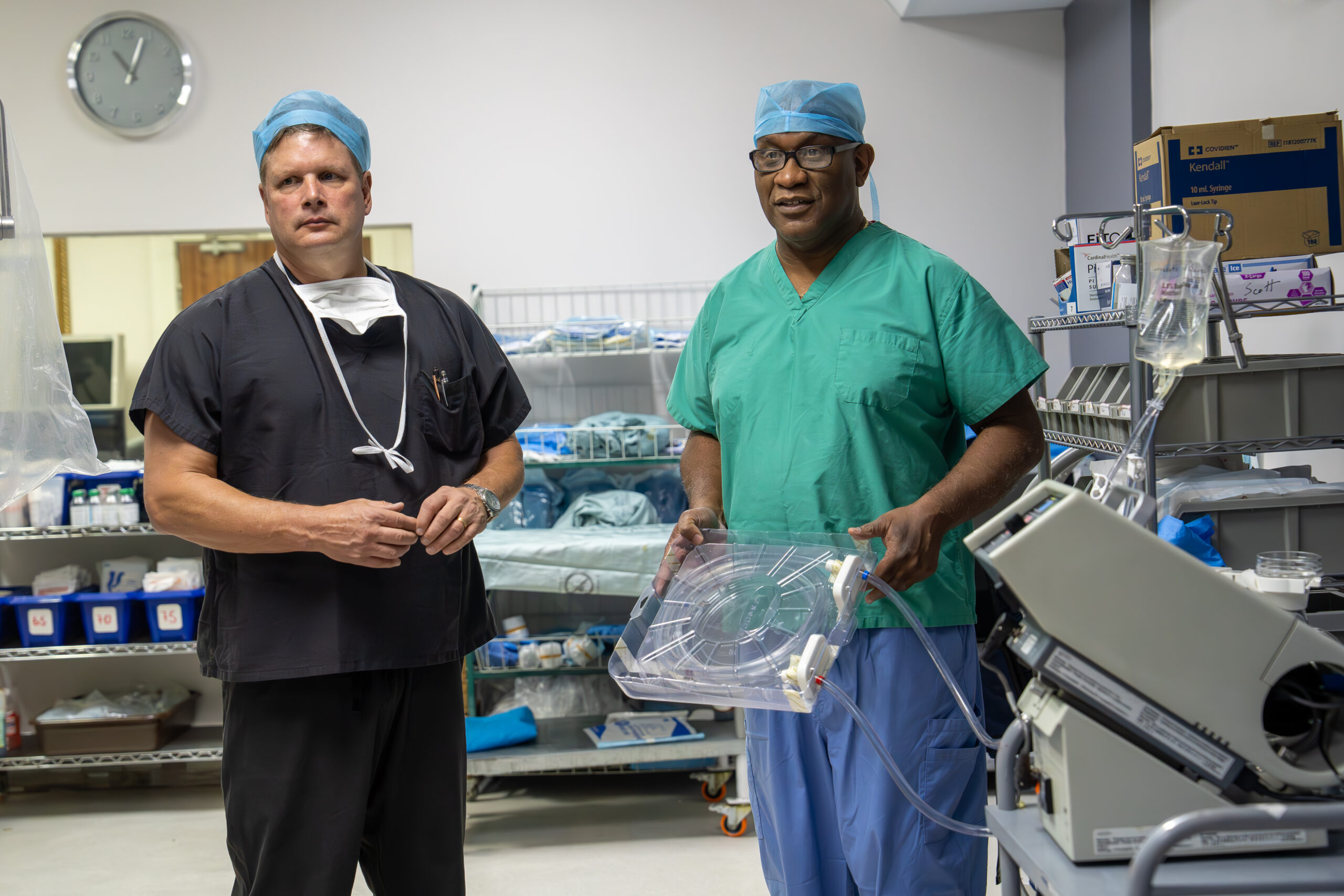
Patients facing severe heart or lung failure now have access to a life-saving technology at the Caribbean Heart Institute (CHI), which has begun using Extracorporeal Membrane Oxygenation (ECMO)—a sophisticated system that temporarily performs the work of the heart and lungs.
According to a CHI release, ECMO removes blood from the body, oxygenates it externally, and returns it to the patient, allowing the heart and lungs to rest and recover. The process involves inserting flexible cannulas into major blood vessels to extract blood, which is then processed through an oxygenator to remove carbon dioxide and replenish oxygen before being circulated back. A dedicated team of critical care physicians, perfusionists, and nurses continuously monitors the patient to ensure optimal blood flow, oxygenation, and temperature.
The therapy is reserved for life-threatening conditions when conventional treatments fail, including severe pneumonia, COVID-19, cardiac arrest, heart failure, and patients recovering from major heart or lung surgeries. ECMO is also used for newborns and children with reversible cardiac or pulmonary defects. However, CHI emphasises that ECMO is not a cure but a bridge to recovery or, in some cases, more advanced interventions like transplantation.
Dr Gary Stephens, Chief Executive Officer of CHI, explained the significance of the therapy:
“ECMO doesn’t replace healing; it buys time for healing. It bridges patients through the most critical phase of illness, when traditional treatments like ventilators or medications alone aren’t enough.”
CHI is currently the only facility in the English-speaking Caribbean equipped with this portable ECMO machine. Its program brings together experts in cardiology, pulmonology, surgery, intensive care, and perfusion technology to provide 24/7 support. Notably, the institute has deployed ECMO support at high-profile events, including the New York Marathon, demonstrating its readiness for critical emergencies.
“ECMO represents the pinnacle of critical care medicine. Our investment in ECMO reflects our mission to provide the highest level of care and the best possible outcomes for our patients and their families,” Dr Stephens added.
The institute continues to set regional benchmarks in critical care by combining cutting-edge technology with a multidisciplinary approach, reinforcing its role as a leading centre for advanced medical treatment and compassionate patient care.