With just one day before Guyanese voters head to the polls, raw anger and disbelief ripple through the Rupununi Savannahs, where an incident involving the forced removal of Indigenous women and children from a bus en route to a political rally has sparked a national outcry. Friday, the group was headed to a We Invest In Nationhood (WIN) rally in St. Ignatius, Region 9, before being kicked off their transport—allegedly at the instruction of President Irfaan Ali and Vice President Bharrat Jagdeo of the ruling People’s Progressive Party (PPP).
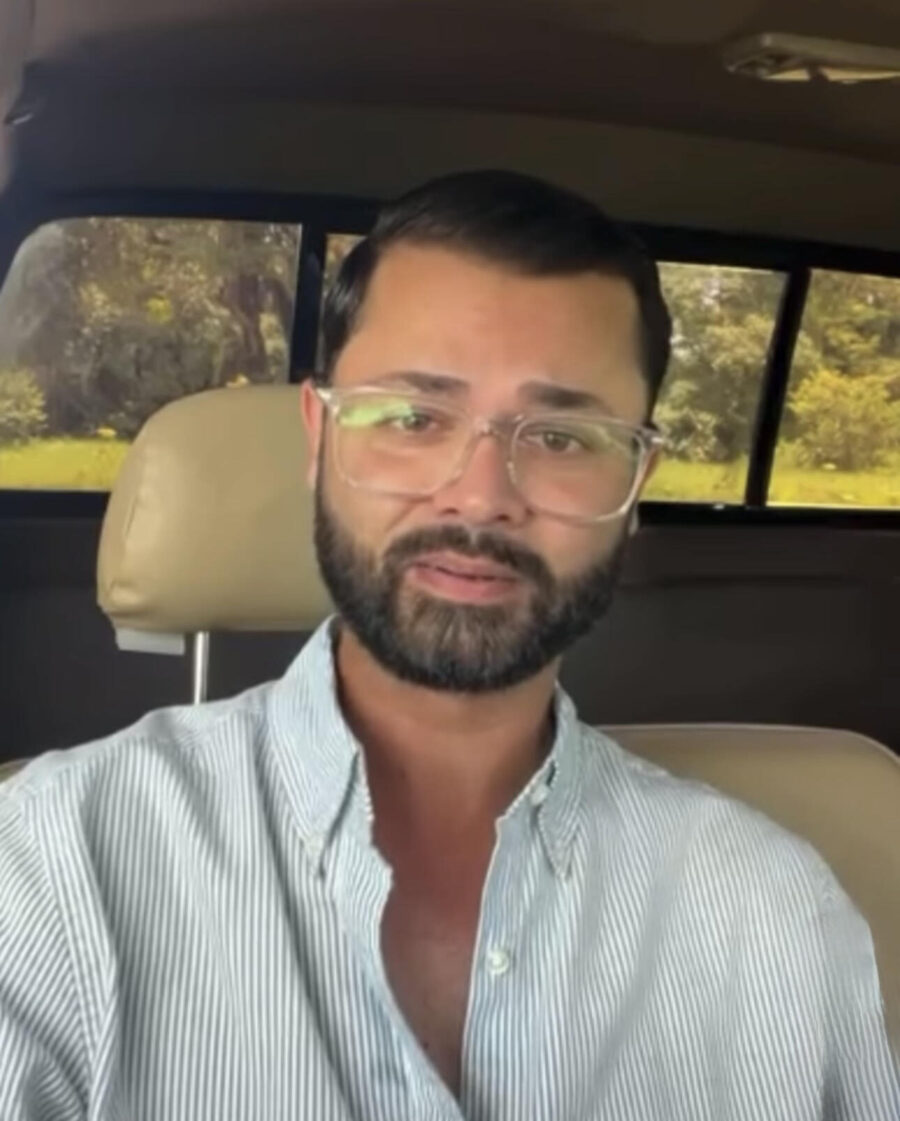
WIN in a facebook post, addressing the incident stated that included in the group were “women, children and the elderly [who] were left stranded in the middle of the Rupununi Savannahs.” Yesterday, activist Kian Jabour delivered a fiery, emotional condemnation of the act, calling it “abuse” and “inhumane,” and urging voters to see the moment as a moral turning point ahead of the national election.
“Two days more to vote the PPP out. If you have no other reason to vote the PPP out, then use the fact that they just put Amerindian women and children out onto that desert-like Savannah, out of the bus, just to stop them from going to a political rally—that is their constitutional right,” Jabour stated in a video statement that has since gone viral.
The individuals—many from remote Indigenous communities—were reportedly on their way to hear WIN presidential candidate Azruddin Mohamed speak, a rare political event for hinterland residents who often face systemic exclusion from mainstream political discourse.
But instead of reaching the rally, they were allegedly abandoned on the side of the road under the harsh sun of the Rupununi—land known more for its beauty than brutality, until now.
“I don’t know how you guys are OK… Amier said, ‘I talked to Bharatt, the chief,’” Jabour recounted. “Everybody knows who the chief is—and if it’s not Irfaan, it’s Bharrat Jagdeo—and he said ‘put them people out on the road.’ Women and children, abandoned. Literally abandoned.”
Jabour’s voice shook with emotion as he rejected the idea of toning down his rhetoric for political polish: “People tell me I need to be more calm with these things… be more collected, more structured in my conversation. But I can’t be calm looking at something like that. That is inhumane. That is how much these guys—sick, disgusting people—value people.”
His outrage has resonated with many across social media and civil society, who view the alleged incident as not just a political maneuver, but a violation of basic human rights and the constitutional freedoms of Indigenous peoples. Guyana’s Indigenous communities, already among the most marginalized, have now found themselves at the center of a storm that raises deep questions about democracy, inclusion, and dignity in a nation on the brink of a critical vote.
This is not simply about a bus ride. It is about political leaders who allegedly used state authority—or party influence—to prevent citizens from attending an opposition rally. It is about a ruling party, accused of silencing dissent and isolating Indigenous voices when they seek to be heard outside traditional political strongholds.
“This is your reason to vote the PPP out,” Jabour urged. “These men only care about power. They only care about going in there [government] and get more.”
As the ballots are prepared and Guyana stands at a crossroads, many are asking: if this is how leaders treat women and children in pursuit of political dominance, what does it say about the future they offer the rest of the country?
In a nation still healing from colonial divisions, the alleged act of pushing Indigenous citizens off a bus because of their political choice may yet become one of the defining moments of this election—and a litmus test for what kind of leadership Guyana is willing to tolerate.
Whether the PPP responds or denies the allegations, the damage may already be done. For those left behind on the Rupununi road, and for those watching in horror, the betrayal feels personal—and unforgettable.