(The Guardian )-A delegation from the body leading the Caribbean’s slavery reparations movement will be in the UK next week for a “historic” first official visit to advocate for former British colonies.
The Caricom Reparations Commission (CRC) will be meeting with UK parliamentarians, Caribbean diplomats, academics and civil society groups from 17 to 20 November.
Organised in collaboration with the Institute of Commonwealth Studies, the visit aims to strengthen strategic partnerships and increase public knowledge about the region’s colonial past and its reparations movements.
“The Caricom Reparations Commission advocacy visit to the UK is historic, as it is the first of what we anticipate will be a series of engagements to raise consciousness and awareness, correct misconceptions about the reparations movement and build strategic partnerships to take this critical agenda to right historical wrongs forward,” Dr Hilary Brown, a member of the delegation and Caricom’s programme manager of culture and community development, said.
Between the 15th and the 19th century, more than 12.5 million Africans were kidnapped, forcibly transported to the Americas and sold into slavery.
Caribbean governments have been calling for recognition of the lasting legacy of colonialism and enslavement, and for reparative justice from former colonisers, including a full formal apology and forms of financial reparations.
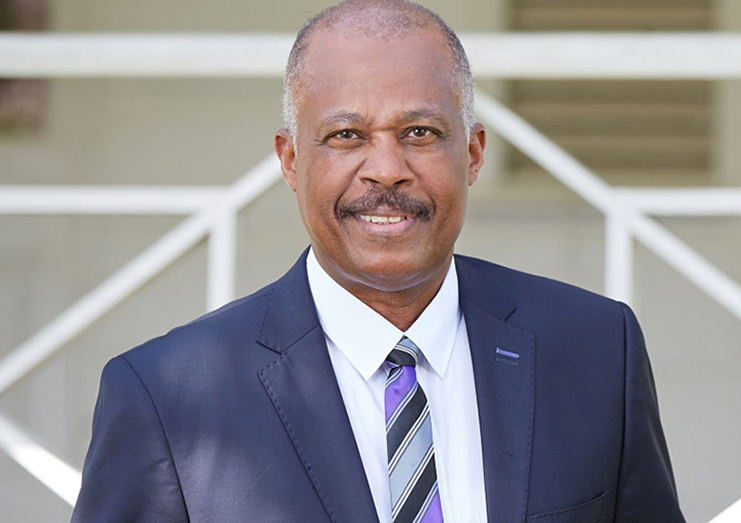
Prof Sir Hilary Beckles, the CRC chair who is leading the six-member delegation, said the visit would help to amplify and advance the Caribbean’s pursuit of reparatory justice.
“The global reparations movement is entering a new wave of impact, visibility and mobilisation, and reparations advocacy grassroots, academics and progressive civil society organisations in Great Britain have a pivotal role to play in amplifying the gains and the message of enlightenment,” he said.
He added: “The Caricom Reparations Commission is here to demonstrate solidarity and support as together we navigate Windrush and advance the just claim for reparatory justice.”
The issue of reparations for transatlantic slavery has been heating up, dominating headlines during last year’s Commonwealth leaders’ summit when the British government ruled out paying reparations or issuing a formal apology for the UK’s role in the transatlantic slave trade.
At the summit, Britain’s prime minister, Keir Starmer, said the slave trade was abhorrent but countries should be “looking forward” and addressing current challenges such as climate change.
The UK government, under pressure from Commonwealth leaders to engage in a “meaningful, truthful and respectful” conversation about Britain’s past, later opened the door to discussing non-financial reparations, such as restructuring financial institutions and providing debt relief for the UK’s role in the transatlantic enslavement.
In March, a poll commissioned by the Repair Campaign, an independent movement supporting calls for reparations, found that most Britons were not aware of the scale and lasting legacy of Britain’s role in transatlantic slavery and colonialism.
Among the 2,000 UK adults surveyed, 85% were unaware that Britain forcibly transported more than 3 million Africans to the Caribbean, 89% did not know that Britain enslaved people in the Caribbean for more than 300 years, 63% support a formal apology to Caribbean nations and descendants of enslaved people – up 4% from 2024, and 40% support financial reparations, also reflecting a 4% increase from the previous year
Caribbean governments have been resolute in their pursuit of reparative justice, based on the CRC’s 10-point plan, which specifies forms of reparations such as a full formal apology and debt cancellation. The plan, the CRC said, has recently been revised to include emerging scientific and historical evidence, though they have not yet revealed the updated version.
At their last summit in July, Caricom leaders backed a petition to King Charles from Jamaica on reparations.
The petition asks Charles to use his authority to request legal advice from the judicial committee of the privy council, the final court of appeal for UK overseas territories and some Commonwealth countries, on whether the forced transport of Africans to Jamaica was lawful, if it constituted a crime against humanity, and whether Britain was under obligation to provide a remedy to Jamaica for slavery and its enduring consequences.