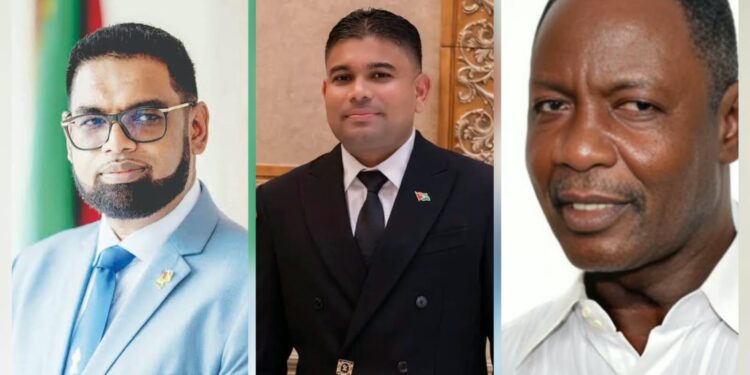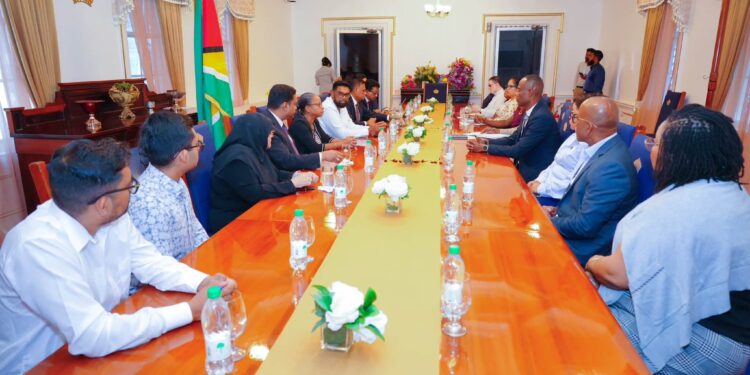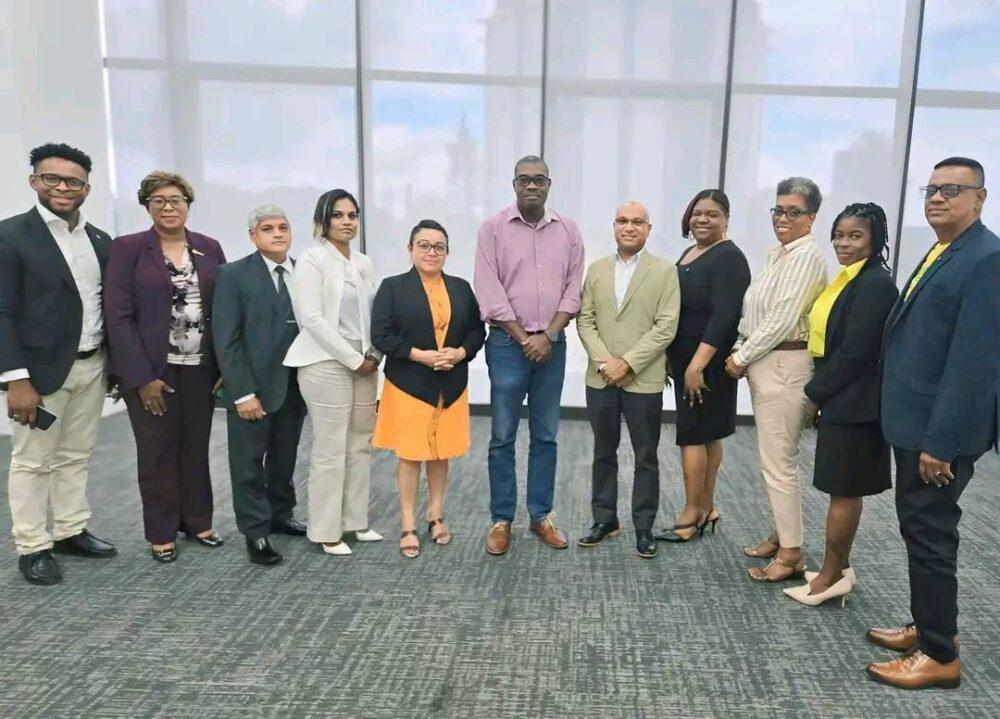
The Alliance For Change (AFC) yesterday, July 25, 2025, met with the Commonwealth Observer Mission ahead of Guyana’s General and Regional Elections scheduled for September 1, 2025. The meeting, led by AFC Chairman David Patterson and a diverse group of candidates, was part of the Mission’s ongoing pre-election assessment in the country.
The Commonwealth Observer Mission has a long history of monitoring elections in Guyana and is widely seen as an important player in promoting transparency, fairness, and the upholding of democratic values. However, many of the Mission’s past recommendations remain unheeded, prompting growing public skepticism over its continued visits and quiet diplomacy in the face of mounting systemic electoral issues.
While the AFC has not issued a detailed statement on the specific concerns raised with the Mission, it is reasonable to conclude that among the topics addressed were:
-
GECOM’s overall handling of the electoral process
-
The bloated Preliminary List of Electors (PLE)
-
GECOM’s refusal to provide hard copies of the PLE to smaller parties
-
The urgent need to implement biometric voter identification systems
These concerns have been publicly articulated by the AFC in recent weeks and echo widespread frustrations across the electorate.
Indeed, the latest declaration by GECOM that the Official List of Electors (OLE) now stands at 757,715—nearly 100,000 more than in 2020, and almost 200,000 more than in 2015—has sparked alarm. These figures are difficult to reconcile with a country whose total population barely reaches 800,000. As calls grow for a clean and credible voters list, many see this inflation as a threat to electoral integrity.
Over the years, the Commonwealth has recommended a suite of critical reforms to strengthen Guyana’s elections, including:
-
A depoliticised and professional Elections Commission
-
A complete overhaul and sanitisation of the voters’ list
-
Introduction of biometric safeguards to prevent multiple or fraudulent voting
-
Campaign finance reform to ensure a level playing field
-
Comprehensive modernisation of outdated electoral laws
Yet, despite these clear and repeated recommendations, GECOM has failed to implement any substantial reforms. Many Guyanese now view the recurring visits of observer missions as performative rather than transformative, especially as they often remain silent on the most pressing demands of the electorate.
Some political parties and civil society actors are urging not just passive observation, but bold intervention, calling on international partners to move beyond mere assessments and to actively support credible, transparent, and inclusive electoral reform.