Thirteen years have passed since blood stained the Mackenzie-Wismar Bridge, but the pain remains as raw as ever. On July 18, 2012, what began as a peaceful protest against electricity rate hikes ended in state-inflicted tragedy when Shemroy Bouyea, Allan Lewis, and Ron Somerset were shot and killed by members of the Guyana Police Force. Dozens were injured. And a community that had already suffered decades of economic neglect now carried the unbearable weight of grief and betrayal.
They were not rioters. They were not armed. They were citizens exercising their right to protest a policy that would have pushed already struggling families deeper into poverty. But in a country too often split along political and racial lines, their lives became casualties of a state that responded to resistance with bullets.
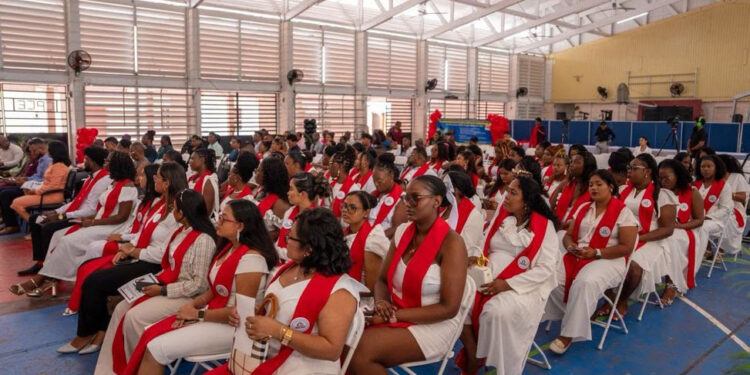
Last week, Linden stood still once again. The anniversary of the massacre was commemorated in a deeply moving ceremony that drew not only local residents but supporters from across Guyana and around the world. Some travelled to the mining town to stand in solidarity. Others joined virtually, watching the livestreamed service on social media, sharing memories, prayers, and renewed calls for justice.
The ceremony was more than a memorial. It was a reaffirmation of collective memory. Wreaths were laid, candles lit, and the names of the fallen echoed through the crowd—not as mere statistics, but as brothers, sons, fathers, and comrades. These men were not criminals. They were unarmed citizens exercising their constitutional right to protest decades of economic neglect and systemic injustice. Instead of dialogue, they were met with gunfire.
“He Just Wanted a Future”
Shemroy Bouyea, just 24, had dreams of entrepreneurship and community upliftment. His family remembers him as quiet, hardworking, and hopeful about his future in Linden.
Allan Lewis, 46, was a father and a friend to many. A man known for helping neighbors and standing firm for what he believed in, he joined the protest that day not out of anger, but conviction.
Both were gunned down by officers of the Guyana Police Force—a force whose motto, bitterly, is “Service and Protection.”
The Day Peace Was Met With Bullets
On that day in 2012, thousands of Lindeners had gathered on the Mackenzie-Wismar Bridge to voice their outrage at the government’s decision to increase electricity tariffs in a town already struggling with poverty and unemployment.
The demonstration was peaceful. Then came the tear gas, followed by gunshots.
Eyewitnesses recounted scenes of panic, of men falling to the ground, of mothers screaming and young people running for their lives. When the smoke cleared, three were dead. Dozens injured. Trust shattered.
The Government’s Response
Then-President Donald Ramotar and senior officials expressed regret, but the state’s response fell far short of what grieving families and an outraged nation demanded. An official Commission of Inquiry found that live rounds were indeed used by the police, but responsibility was spread so thinly that no specific officer or commander was ever prosecuted.
It was, many said, a whitewashing of murder.
Justice Deferred, Justice Denied
A Commission of Inquiry confirmed that live ammunition had been used, and admitted to multiple failures in police protocol. Yet more than a decade later, no one has been held accountable. No police officer has stood trial. No government—then or now—has delivered justice.
The silence, for many, has been as cruel as the bullets.
“What do you say to a mother whose son was shot down for standing up?” asked one speaker at the memorial. “You say you will never forget. Then you act like it never happened.”
Linden Remembers, the World Watches
This year’s commemoration was not confined to Linden. The outpouring of solidarity reached far beyond the bridge. Diaspora communities tuned in from the U.S., Canada, the UK, and the Caribbean. Messages flooded social media. Images of Shemroy, Allan, and Ron were shared with reverence, accompanied by the call: Justice still not served.
The presence of those from outside the town—physically and virtually—sent a powerful message: Linden is not alone. The struggle is not forgotten.
The Bridge Still Bleeds
In Linden, July 18 is not just a date—it is a wound. It is also a warning. It reminds Guyana that democracy without accountability is dangerous. That the state must never be allowed to kill its own citizens without consequence.
Until those responsible are named, charged, and prosecuted, the call for justice will not fade. It will grow louder with each year.
Justice for Shemroy. Justice for Allan. Justice for Ron. Until then, the people remember—and the bridge still bleeds.