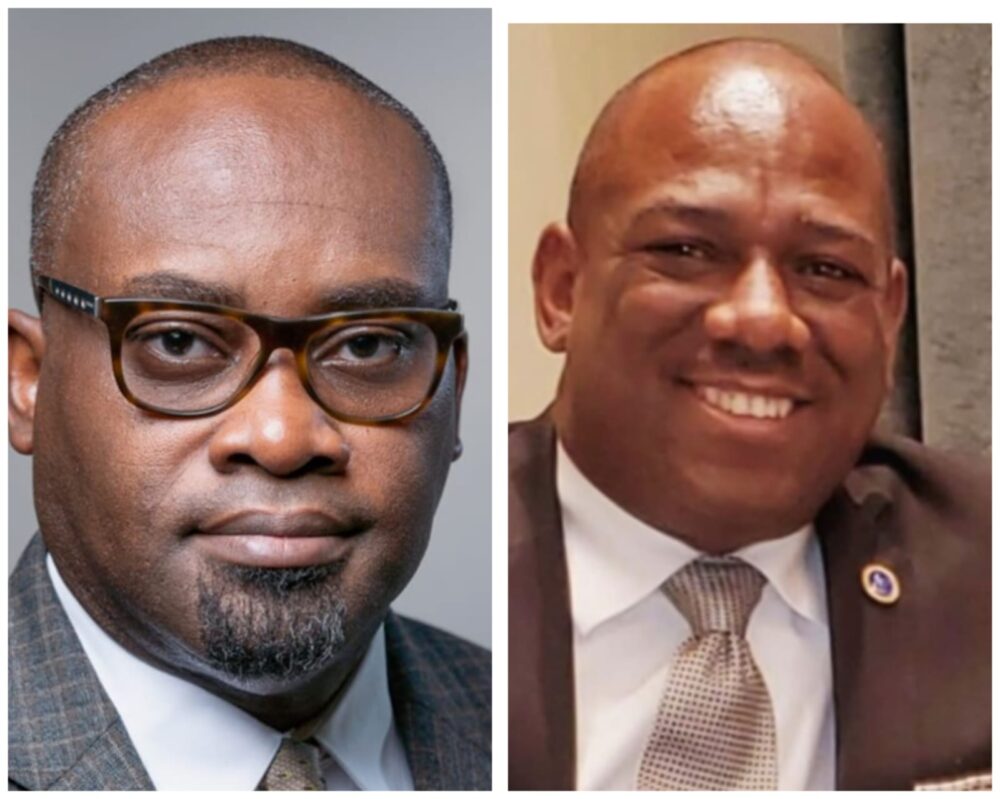
In a landmark decision that is being hailed as a victory for constitutional rights and the rule of law, acting Chief Justice Roxane George-Wiltshire today delivered a judgment in Rickford Burke v. Attorney General et al., striking down the overseas service of a criminal summons and declaring criminal defamation of private individuals unconstitutional.
The ruling marks a major development in Guyana’s legal landscape, reinforcing jurisdictional boundaries and affirming protections for freedom of expression. Burke was represented by Senior Counsel Roysdale Forde
Court Declares Overseas Summons Service a Nullity
The Chief Justice ruled that the attempt to serve a magistrate-issued summons on Rickford Burke—who resides in New York—was “unlawful and void,” declaring the service a legal nullity. The court found that no statute gives the Guyana Police Force the authority to serve such documents outside of Guyana’s territorial jurisdiction.
“There is no legal authority in any statute for the Guyana Police Force—or any officer—to serve a magistrate-issued defendant’s summons on an individual residing abroad,” the ruling stated.
Citing Section 68(1) of the Summary Jurisdiction (Magistrates) Act, the court affirmed that all processes issued by magistrates, whether civil or criminal, are confined to the geographical boundaries of Guyana.
Criminal Defamation Ruled Unconstitutional
In another major component of the ruling, the Chief Justice declared that criminal defamation of private individuals violates the Constitution. The court found that such provisions are neither necessary to protect reputation nor consistent with democratic principles.
“Criminal defamation of private individuals is impermissible under Guyana’s Constitution… and constitutes an unconstitutional infringement on freedom of expression,” the judgment stated.
The court held that civil remedies remain available for defamation, and that criminal sanctions represent a disproportionate and chilling restriction on speech.
Reaction and Implications
In a public statement following the ruling, Senior Counsel and Member of Parliament Roysdale Forde praised the decision, calling it “a landmark reaffirmation of the rule of law in Guyana.”
“This judgment safeguards democratic freedoms and the rights of citizens and residents, both at home and abroad,” Forde said. “It corrects a troubling precedent of transnational overreach, and ensures the justice system cannot be used to muzzle free speech.”
Forde urged Parliament to act swiftly to amend existing laws to reflect the constitutional standards affirmed by the court. “This is a clear call for legislative reform to clarify service rules and permanently remove outdated criminal defamation laws,” he said.
Broader Legal and Political Significance
Legal analysts note the ruling strengthens Guyana’s adherence to international norms regarding jurisdiction and freedom of expression, while reaffirming the role of judicial oversight in protecting civil liberties.
Among the key takeaways:
-
Judicial Oversight: The ruling emphasises the role of courts in checking executive and legislative overreach.
-
Freedom of Expression: It aligns Guyana with global standards that protect speech from criminal sanctions.
-
Respect for Sovereignty: It reinforces the principle that domestic law enforcement cannot act beyond national borders without clear legal authority.
Next Steps
The High Court is expected to formally quash the summons issued to Burke and dismiss related criminal defamation charges. Legislative changes are also anticipated to address jurisdiction in serious indictable matters while protecting constitutional rights.
“This erudite ruling by the Honourable Chief Justice is a triumph for the rule of law and democratic values,” Forde said. “It closes a dangerous chapter where peaceful criticism could be criminalized and affirms that our Constitution does not permit the suppression of dissent.”
Legal observers suggest this precedent will empower activists, journalists, and ordinary citizens to stand up against unwarranted state actions and advocate for greater protection of civil liberties.