Guyana’s senior diplomats used this year’s Emancipation Day observance in New York to speak passionately about justice, dignity, freedom and reparations for the descendants of enslaved Africans, but their remarks made no mention of the growing domestic calls for accountability over the MV Barima tragedy, a disaster that has exposed deep divisions over justice, transparency and governance.
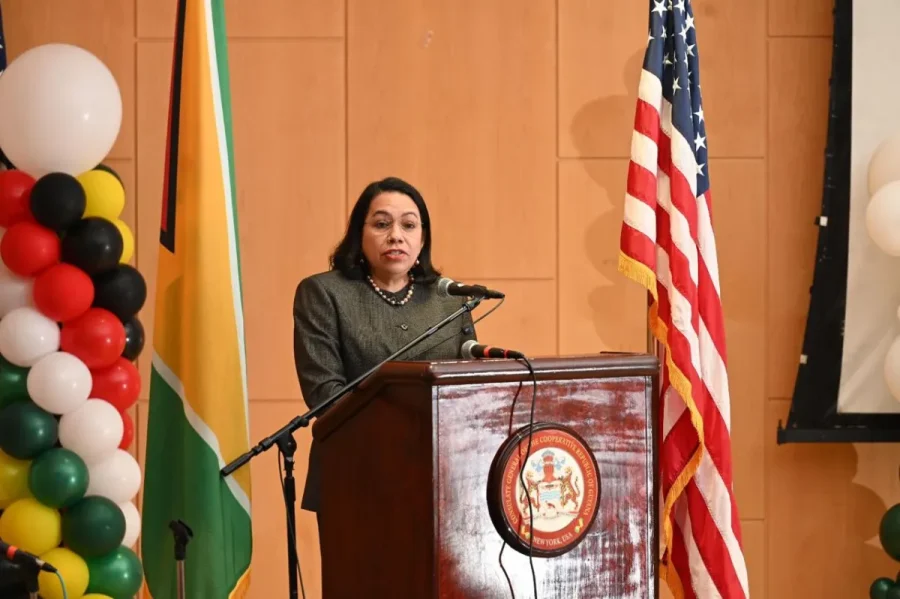
Speaking Thursday at the Emancipation Day observance at Medgar Evers College, Guyana’s Permanent Representative to the United Nations, Ambassador Carolyn Rodrigues-Birkett, described slavery as the “greatest crime against humanity” and said reparations are about justice—not charity.
She noted that Guyana continues to advocate alongside its Caribbean partners for reparatory justice and highlighted the country’s support for the landmark United Nations resolution recognising the transatlantic slave trade and the enslavement of Africans as the gravest crime against humanity.
Rodrigues-Birkett also encouraged Guyanese to emulate the courage and determination of national heroes Cuffy and Damon.
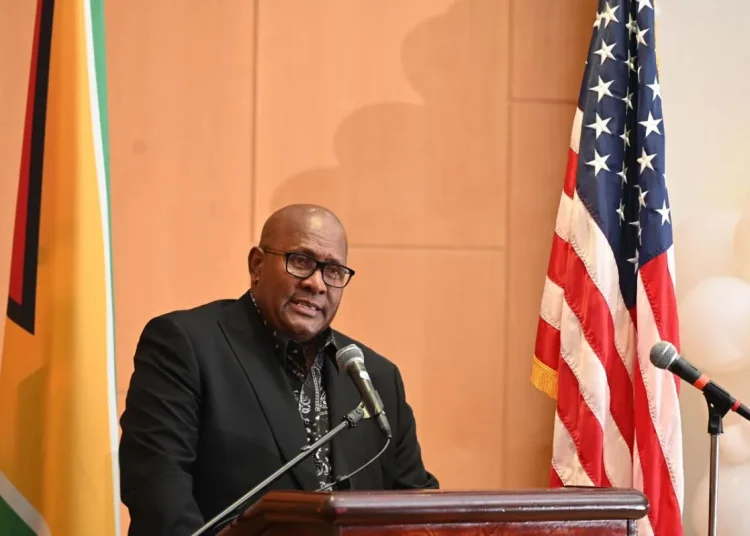
Consul General Michael Brotherson said Emancipation symbolises dignity, justice and self-determination, while highlighting government programmes aimed at empowering people of African descent through education, agriculture, culture, entrepreneurship and the proposed Guyana Development Bank.
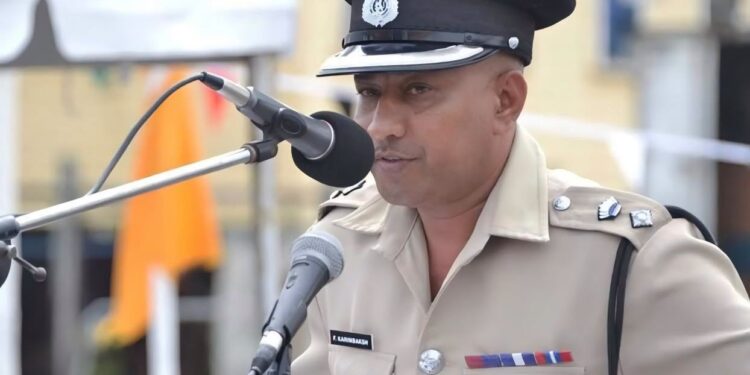
Both diplomats extended condolences to the families affected by the MV Barima tragedy.
The appeals for justice overseas came only weeks after Guyana failed to send a high-level political representative to the Global Reparations Conference in Accra, Ghana, where heads of state, ministers, diplomats, legal scholars and civil society leaders met to advance a global framework for reparatory justice. The conference concluded with the adoption of the Accra Next Steps Commitments on Reparatory Justice, a roadmap intended to strengthen the international campaign for reparations.
At home, however, the Government continues to face mounting criticism over its handling of the MV Barima disaster.
The July 18 sinking of the state-owned ferry has generated widespread calls for justice from victims’ families, trade unions, civil society organisations, maritime professionals and opposition parties. Many have questioned the Government’s decision to jointly charge Captain Kevin Price, Chief Mate Rondell Dwayne Roberts, and Goods Superintendent Delon Granderson with 72 counts of murder before the completion of either the Commission of Inquiry or a formal maritime casualty investigation.
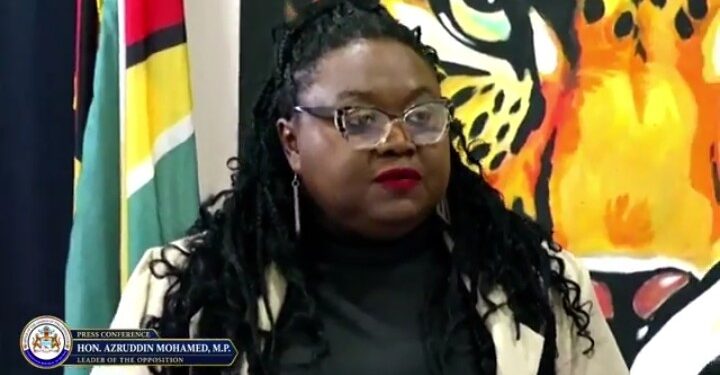
Concerns have also been raised over the composition of the Commission of Inquiry, with opposition parties, the Guyana Trades Union Congress (GTUC), the Guyana Human Rights Association (GHRA) and other organisations arguing that the appointment process lacked broad consultation and public participation. They have questioned whether the process satisfies the constitutional principles of transparency, inclusiveness and public confidence in institutions established to investigate matters of national importance.
The Government has also declined to recover the MV Barima from the seabed despite repeated appeals from families and maritime experts, who argue that the wreck may contain crucial forensic and technical evidence, cargo records and the remains of victims believed to still be trapped inside—evidence they say could help establish the full truth and bring closure to grieving families.
The Government has further not announced whether it intends to undertake a formal maritime casualty investigation, the internationally recognised technical inquiry designed to determine the causes of a marine accident and identify systemic failures to improve maritime safety.
Against that reality, the diplomats’ appeals for unity, justice and dignity omitted any reference to the growing domestic concerns over accountability, transparency, citizens’ participation in decisions affecting the investigation, freedom of association through public protest, or the demand for an independent and credible process capable of restoring public confidence after one of Guyana’s worst maritime disasters.
The Government maintains that the Commission of Inquiry is independent, international and transparent, and that the criminal proceedings against the three transport workers will proceed before the courts.
The MV Barima disaster has become more than a maritime tragedy. For many Guyanese, it has evolved into a broader national debate over whether the principles of justice, equality and human dignity celebrated on Emancipation Day are being applied equally at home.