As Guyana edges closer to the General and Regional Elections slated for September 1, the Alliance For Change (AFC) has issued a stinging rebuttal to what it describes as “mischaracterisations and inaccuracies” about its role in the faltering coalition talks with the People’s National Congress Reform (PNCR).
In a statement released Tuesday, June 10, AFC Leader Nigel Hughes dismissed recent claims that the AFC has demanded the presidency or insisted on leading any opposition coalition.
“At no point has the AFC demanded the presidency, nor have we insisted that our nominee must lead any coalition. Such claims are wholly false,” the statement said. Instead, Hughes emphasised that the AFC has “consistently advocated for a consensus candidate—one who commands broad national respect and credibility, and who represents a genuine third-party alternative to entrenched political positions.”
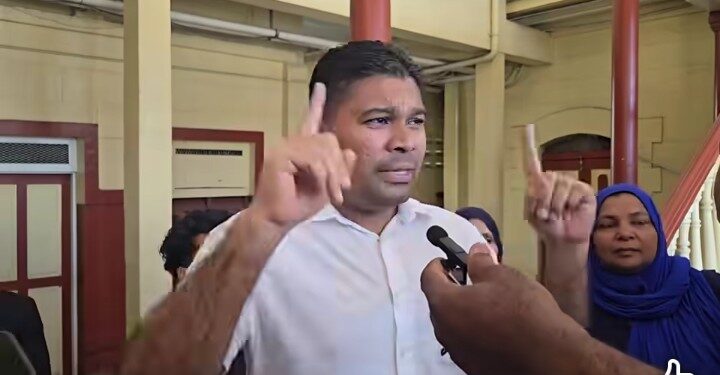
Hughes’s position is not new. In March, when coalition talks between the AFC and PNCR were already faltering, Hughes publicly expressed his personal willingness to step aside to support a consensus candidate. Speaking to reporters at a protest against the Commissioner of Information’s failure to release requested records, Hughes said:
“I’m personally prepared to step aside from the presidential candidacy in favour of a third-party candidate who can unite the opposition for the good of the country.”
Despite this gesture, Hughes lamented that the AFC’s proposals—including several prominent and politically neutral figures—were not welcomed. One such candidate, former Minister of Foreign Affairs and Vice President Carl Greenidge, was put forward as a unifying figure. “His credentials and integrity are beyond reproach,” the AFC’s release stated.
Yet, Greenidge’s candidacy was rejected. Ironically, Greenidge once vied for the PNCR leadership, losing to then-retired Brigadier David Granger. Notably, his campaign manager at the time was none other than Aubrey Norton, now PNCR leader. According to political insiders, Norton is the key figure opposing Greenidge’s return as a consensus choice. This, observers argue, has prevented progress and contributed directly to the current impasse between the two main opposition forces.
“This insistence—not any action by the AFC—has hindered meaningful progress toward unity,” Hughes asserted.
The stakes are high. Many political analysts contend that a united opposition remains the only viable path to unseating what they call the “PPP dictatorship.” A similar coalition between the AFC and APNU brought a stunning victory in 2015 and nearly retained power in 2020, losing to the PPP by fewer than 5,000 votes in a contentious GECOM-administered count.
Amidst these mounting tensions, voices within the opposition are growing louder. Retired Lt. Colonel Lelon Saul, a PNCR councillor in Georgetown and former Guyana Defence Force officer, has issued a stark warning:
“Time is of the essence. Prolonged negotiations risk fracturing the opposition at a critical juncture and diminishing the democratic choice available to the Guyanese people.”
Saul’s call reflects growing concern that failure to present a united front could cost the opposition dearly in the September polls and could erode public confidence in the democratic process.
Meanwhile the AFC leader remains resolute the party will not be pressured into submission. “Unity must be built on fairness and consensus—not coercion or unilateralism,” he stated.
The AFC’s message ended with a call for responsible leadership. “We urge all stakeholders to move beyond public attacks and toward constructive engagement. The people of Guyana deserve nothing less,” the statement concluded.
At the time of press, the PNCR has not responded to the AFC’s statement. Guyana’s political future may well hinge on whether that appeal is finally heard.