By Mark DaCosta- In the complex web of factors driving global warming and climate change, one greenhouse gas often is overlooked in favour of its more infamous counterpart, carbon dioxide. That gas is methane. While carbon dioxide undeniably plays a significant role, methane’s potency and pervasive sources make it a crucial yet often underestimated contributor to the climate crisis.
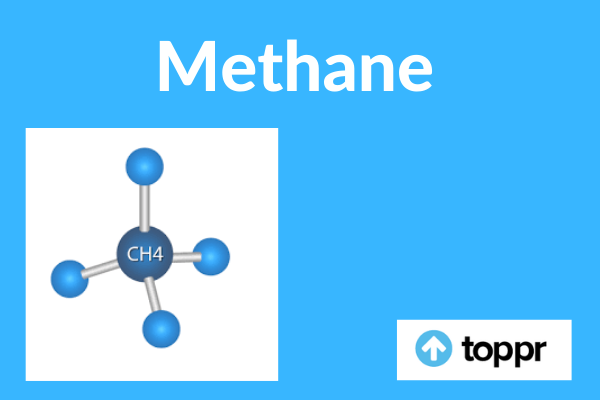
Methane, chemically known as CH4, is a colourless and odourless gas primarily generated by natural processes such as wetlands, wildfires, and geological seepage from volcanic activity, for example. However, it is the anthropogenic sources of methane that warrant greater attention due to their substantial impact on atmospheric greenhouse gas concentrations.
What distinguishes methane from carbon dioxide is its heat-trapping potential. Pound for pound, methane is approximately 80 times more effective at trapping heat in the atmosphere than carbon dioxide over a 20-year period, although it dissipates more rapidly. This heightened potency magnifies methane’s significance in the context of short-term climate change mitigation efforts.
The sources of methane emissions are multifaceted and widespread. Agriculture, particularly livestock farming, is a major contributor, with livestock digestive processes, manure management, and rice cultivation all releasing significant quantities of methane. Additionally, landfills represent another significant source, as organic waste decomposes anaerobically, producing methane as a byproduct. Guyanese would know about the frequent fires at our landfill – it is the ignition of the highly-flammable methane gas that causes those fires.
The global scale of these methane sources underscores the urgency of addressing this issue. Livestock production occurs in virtually every country in the world, with methane emissions from enteric fermentation and manure management contributing substantially to greenhouse gas inventories. Likewise, landfills are ubiquitous, with thousands scattered across the globe, emitting methane continuously as waste decomposes.
Despite its considerable impact on climate change, methane often takes a backseat to carbon dioxide in public discourse and policymaking. One potential reason for this disparity is economic. Carbon markets and carbon pricing mechanisms offer financial incentives for reducing carbon dioxide emissions, whereas similar mechanisms for methane mitigation are less established.
Dr. Rachel Cleetus, Policy Director for the Climate and Energy Program at the Union of Concerned Scientists, underscores the urgency of addressing methane emissions, stating, “Unchecked methane emissions pose a significant threat to our climate and public health.” The need for immediate action to curb methane emissions is evident as we strive to limit the severity of climate change impacts.
Furthermore, the transient nature of methane in the atmosphere complicates mitigation efforts. While carbon dioxide persists for centuries, methane dissipates relatively quickly, with a lifespan of approximately 12 years. However, its short-term potency means that reducing methane emissions can yield immediate and fast benefits in terms of mitigating global warming.
Dr. Drew Shindell, Professor of Climate Sciences at Duke University, highlights the importance of controlling methane emissions, stating, “Addressing methane emissions is crucial for limiting the rate of global warming in the near term.” Implementing methane mitigation measures can complement efforts to reduce carbon dioxide emissions and accelerate progress towards climate goals.
Even if global fossil fuel consumption were to cease abruptly, methane emissions from sources such as agriculture and landfills would persist, underscoring the need for comprehensive and targeted methane mitigation strategies. By prioritising methane reduction measures, governments and policymakers can make significant strides towards mitigating the impacts of climate change.
Methane represents a silent yet potent threat to our climate and must be addressed with the same urgency as carbon dioxide. By recognising the significance of methane emissions and implementing effective mitigation measures, we can mitigate the severity of climate change impacts and pave the way towards a more sustainable future for generations to come.