Saturday, August 1, 2026
Village Voice News
ADVERTISEMENT
  • Home
  • News
  • Sports
  • Editorial
  • Letters
  • Global
  • Columns
    • Eye On Guyana
    • Hindsight
    • Lincoln Lewis Speaks
    • Future Notes
    • Blackout
    • From The Desk of Roysdale Forde SC
    • Diplomatic Speak
    • Mark’s Take
    • In the village
    • Mind Your Business
    • Bad & Bold
    • The Voice of Labour
    • The Herbal Section
    • Politics 101 with Dr. David Hinds
    • Talking Dollars & Making Sense
    • Book Review 
  • Education & Technology
  • E-Paper
  • Contact Us
No Result
View All Result
  • Home
  • News
  • Sports
  • Editorial
  • Letters
  • Global
  • Columns
    • Eye On Guyana
    • Hindsight
    • Lincoln Lewis Speaks
    • Future Notes
    • Blackout
    • From The Desk of Roysdale Forde SC
    • Diplomatic Speak
    • Mark’s Take
    • In the village
    • Mind Your Business
    • Bad & Bold
    • The Voice of Labour
    • The Herbal Section
    • Politics 101 with Dr. David Hinds
    • Talking Dollars & Making Sense
    • Book Review 
  • Education & Technology
  • E-Paper
  • Contact Us
No Result
View All Result
Village Voice News
No Result
View All Result
Home Global

U.S. opposes plans to strengthen World Health Organization

Staff Reporter by Staff Reporter
January 23, 2022
in Global
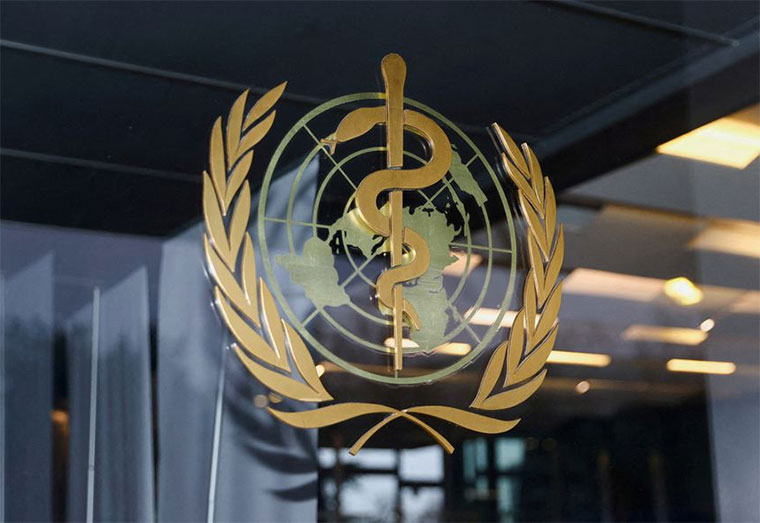
The World Health Organization logo is pictured at the entrance of the WHO building, in Geneva, Switzerland, December 20, 2021. (REUTERS/Denis Balibouse)

The World Health Organization logo is pictured at the entrance of the WHO building, in Geneva, Switzerland, December 20, 2021. (REUTERS/Denis Balibouse)

0
SHARES
0
VIEWS
Share on FacebookShare on Twitter

Reuters-The United States, the World Health Organization’s top donor, is resisting proposals to make the agency more independent, four officials involved in the talks said, raising doubts about the Biden administration’s long-term support for the U.N. agency.

The proposal, made by the WHO’s working group on sustainable financing, would increase each member state’s standing annual contribution, according to a WHO document published online and dated Jan. 4.

READ ALSO

US-Iran hostilities spread across multiple fronts as regional tensions escalate

How China sees its economic priorities for second half of 2026

The plan is part of a wider reform process galvanised by the COVID-19 pandemic, which has highlighted the limitations of the WHO’s power to intervene early in a crisis.

But the U.S. government is opposing the reform because it has concerns about the WHO’s ability to confront future threats, including from China, U.S. officials told Reuters.

It is pushing instead for the creation of a separate fund, directly controlled by donors, that would finance prevention and control of health emergencies.

Four European officials involved in the talks, who declined to be named because they were not authorised to speak to the media, confirmed the U.S. opposition. The U.S. government had no immediate comment.

The published proposal calls for member states’ mandatory contributions to rise gradually from 2024 so they would account for half the agency’s $2 billion core budget by 2028, compared to less than 20% now, the document said.

The WHO’s core budget is aimed at fighting pandemics and strengthening healthcare systems across the world. It also raises an additional $1 billion or so a year to tackle specific global challenges such as tropical diseases and influenza.

Supporters say that the current reliance on voluntary funding from member states and from charities such as the Bill and Melinda Gates Foundation forces the WHO to focus on priorities set by the funders, and makes it less able to criticise members when things go wrong.

An independent panel on pandemics that was appointed to advise on the WHO reform had called for a much bigger increase in mandatory fees, to 75% of the core budget, deeming the current system “a major risk to the integrity and independence” of the WHO.

LONG-STANDING SCEPTICISM
The WHO itself responded to a query by saying that “only flexible and predictable funds can enable WHO to fully implement the priorities of the Member States”.

Top European Union donors, including Germany, back the plan, along with most African, South Asian, South American and Arab countries, three of the European officials said.

The proposal is to be discussed at the WHO’s executive board meeting next week but the divisions mean no agreement is expected, three of the officials said.

The WHO confirmed there was currently no consensus among member states, and said talks were likely to continue until the annual meeting in May of the World Health Assembly, the agency’s top decision-making body.

European donors in particular favour empowering, rather than weakening, multilateral organisations including the WHO.

One European official said the U.S. plan “causes scepticism among many countries”, and said the creation of a new structure controlled by donors, rather than by the WHO, would weaken the agency’s ability to combat future pandemics.

Washington has been critical of the WHO for some time.

Former president Donald Trump pulled the United States out of the WHO after accusing it of defending China’s initial delays in sharing information when COVID-19 emerged there in 2019.

The Biden administration rejoined soon after taking office, but officials told Reuters they think the WHO needs significant reform, and raised concerns about its governance, structure and ability to confront rising threats, not least from China.

One of the European officials said other big countries, including Japan and Brazil, were also hesitant about the published WHO proposal.

Two of the European officials said China had not yet made its position clear, while a third official listed Beijing among the critics of the proposal.

The governments of Japan, China and Brazil had no immediate comment.
ShareTweetSendShareSend

Related Posts

A general view of damaged structures at a site of US-Saudi joint strikes in Bartalla in the northern Iraqi Nineveh province, July 29, 2026. /VCG
Global

US-Iran hostilities spread across multiple fronts as regional tensions escalate

by Admin
July 31, 2026

CGTN NEWS - The military confrontation between the United States and Iran continues to intensify, with both sides launching retaliatory...

Read moreDetails
File photo of an aerial view of Qingdao Port in Qingdao, east China's Shandong Province. /VCG
Global

How China sees its economic priorities for second half of 2026

by Admin
July 31, 2026

CGTN NEWS - China has set out clear economic priorities for the second half of 2026, striving to pursue sustained...

Read moreDetails
Photo Credit: EschCollection
Global

Two Black-Owned Banks Plan To Merge To Create $1.27B Institution Expanding Access To Capital In Underserved Communities

by Admin
July 29, 2026

Two Black-owned banks have merged. According to a press release, South Carolina-based Minority Depository Institution (MDI) Optus Bank and North Carolina-based...

Read moreDetails
Next Post
Police personnel the scene of yesterday’s triple murder in Bountry Hall, Trelawny. ( Hopeton Bucknor/Jamaican Gleaner)

Deadly mistake


EDITOR'S PICK

Exxon environmentalist emails · Reuters

ExxonMobil (XOM) to Exit Equatorial Guinea & Focus on Guyana

February 11, 2024

“Mid-Year Report’s lateness hurting businesses”; Winston Jordan blasts rollback in fiscal transparency

November 6, 2025

Cyclist dies after hit by speeding minibus

October 27, 2021

Xi congratulates Putin on reelection as Russian president

March 18, 2024

© 2024 Village Voice

No Result
View All Result
  • Home
  • News
  • Sports
  • Editorial
  • Letters
  • Global
  • Columns
    • Eye On Guyana
    • Hindsight
    • Lincoln Lewis Speaks
    • Future Notes
    • Blackout
    • From The Desk of Roysdale Forde SC
    • Diplomatic Speak
    • Mark’s Take
    • In the village
    • Mind Your Business
    • Bad & Bold
    • The Voice of Labour
    • The Herbal Section
    • Politics 101 with Dr. David Hinds
    • Talking Dollars & Making Sense
    • Book Review 
  • Education & Technology
  • E-Paper
  • Contact Us

© 2024 Village Voice