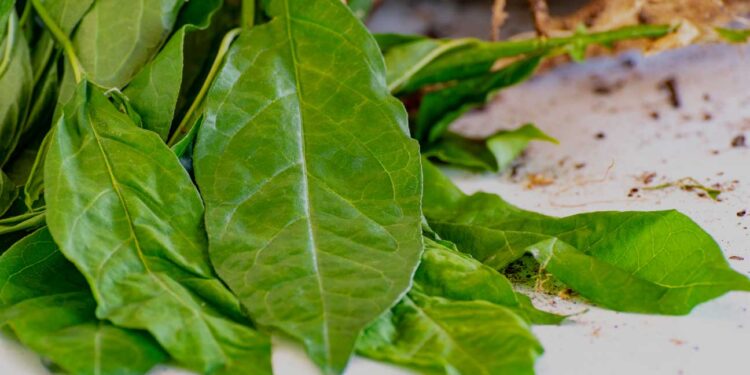
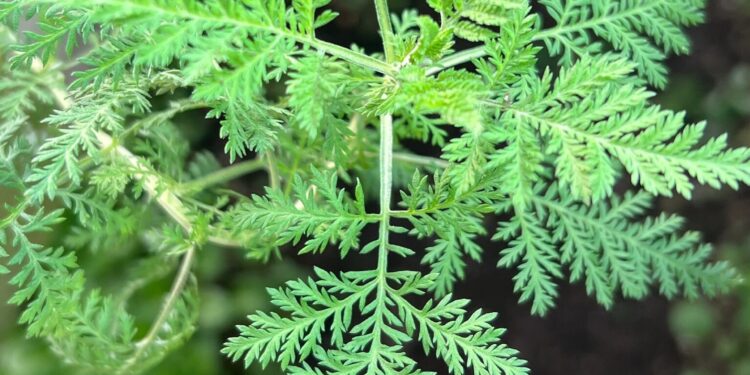
Stinging nettle (Urtica dioica) has been a staple in herbal medicine since ancient times.
Stinging nettle’s leaves and root provide a wide variety of nutrients, including:
- Vitamins: Vitamins A, C
and K, as well as several B vitamins - Minerals: Calcium, iron,
magnesium, phosphorus, potassium and sodium - Fats: Linoleic acid,
linolenic acid, palmitic acid, stearic acid and oleic acid - Amino acids: All of the essential amino acids
- Polyphenols: Kaempferol,
quercetin, caffeic acid, coumarins and other flavonoids - Pigments: Beta-carotene, lutein,
luteoxanthin and other carotenoids
What’s more, many of these nutrients act as antioxidants inside your body.
Antioxidants are molecules that help defend your cells against damage from free radicals. Damage caused by free radicals is linked to aging, as well as cancer and other harmful diseases.
Studies indicate that stinging nettle extract can raise blood antioxidant levels.
However, it is unlikely that the amount of stinging nettle in herbal supplements would provide significant amounts of most of these compounds.
2. May Reduce Inflammation
Inflammation is your body’s way of healing itself and fighting infections.
However, chronic inflammation can inflict significant harm.
Stinging nettle harbors a variety of compounds that may reduce inflammation.
In animal and test-tube studies, stinging nettle reduced levels of multiple inflammatory markers by interfering with their production.
In human studies, applying a stinging nettle cream or consuming stinging nettle products appears to relieve inflammatory conditions, such as arthritis.
For instance, in one 27-person study, applying a stinging nettle cream onto arthritis-affected areas significantly reduced pain, compared to a placebo treatment.
In another study, taking a supplement that contained stinging nettle extract significantly reduced arthritis pain. Additionally, participants felt they could reduce their dose of anti-inflammatory pain relievers because of this capsule.
That said, research is insufficient to recommend stinging nettle as an anti-inflammatory treatment. More human studies are needed.
3. May Treat Enlarged Prostate Symptoms
Up to 50% of men aged 51 and older have an enlarged prostate gland.
An enlarged prostate is commonly called benign prostatic hyperplasia (BPH). Scientists aren’t sure what causes BPH, but it can lead to significant discomfort during urination.
Interestingly, a few studies suggest that stinging nettle may help treat BPH.
Animal research reveals that this powerful plant may prevent the conversion of testosterone into dihydrotestosterone — a more powerful form of testosterone.
Stopping this conversion can help reduce prostate size.
Studies in people with BPH demonstrate that stinging nettle extracts help treat short- and long-term urination problems — without side effects.
However, it’s unclear how effective stinging nettle is compared to conventional treatments.
4. May Treat Hay Fever
Hay fever is an allergy that involves inflammation in the lining of your nose.
Stinging nettle is viewed as a promising natural treatment for hay fever.
Test-tube research shows that stinging nettle extracts can inhibit inflammation that can trigger seasonal allergies.
This includes blocking histamine receptors and stopping immune cells from releasing chemicals that trigger allergy symptoms.
However, human studies note that stinging nettle is equal to or only slightly better at treating hay fever than a placebo.
While this plant may prove a promising natural remedy for hay fever symptoms, more long-term human studies are needed.
5. May Lower Blood Pressure
Nearly half of adults in the United States have high blood pressure.
High blood pressure is a serious health concern because it puts you at risk of heart disease and strokes, which are among the leading causes of death worldwide.
Stinging nettle was traditionally used to treat high blood pressure.
Animal and test-tube studies illustrate that it may help lower blood pressure in several ways.
For one, it may stimulate nitric oxide production, which acts as a vasodilator. Vasodilators relax the muscles of your blood vessels, helping them widen.
In addition, stinging nettle has compounds that may act as calcium channel blockers, which relax your heart by reducing the force of contractions .
In animal studies, stinging nettle has been shown to lower blood pressure levels while raising the heart’s antioxidant defenses.
However, stinging nettle’s effects on blood pressure in humans are still unclear. Additional human studies are needed before recommendations can be made.
6. May Aid Blood Sugar Control
Both human and animal studies link stinging nettle to lower blood sugar levels.
In fact, this plant contains compounds that may mimic the effects of insulin.
In a three-month study in 46 people, taking 500 mg of stinging nettle extract three times daily significantly lowered blood sugar levels compared to a placebo.
Despite promising findings, there are still far too few human studies on stinging nettle and blood sugar control. More research is necessary.
Other Potential Benefits
Stinging nettle may offer other potential health benefits, including:
- Reduced bleeding: Medicines
containing stinging nettle extract have been found to reduce excessive
bleeding, especially after surgery. - Liver health: Nettle’s
antioxidant properties may protect your liver against damage by toxins, heavy
metals and inflammation. - Natural diuretic: This plant may
help your body shed excess salt and water, which in turn
could lower blood pressure temporarily. Keep in mind that these findings
are from animal studies . - Wound and burn healing: Applying
stinging nettle creams may support wound healing, including burn wounds (Healthline.com)