Thursday, August 20, 2026
Village Voice News
ADVERTISEMENT
  • Home
  • News
  • Sports
  • Editorial
  • Letters
  • Global
  • Columns
    • Eye On Guyana
    • Hindsight
    • Lincoln Lewis Speaks
    • Future Notes
    • Blackout
    • From The Desk of Roysdale Forde SC
    • Diplomatic Speak
    • Mark’s Take
    • In the village
    • Mind Your Business
    • Bad & Bold
    • The Voice of Labour
    • The Herbal Section
    • Politics 101 with Dr. David Hinds
    • Talking Dollars & Making Sense
    • Book Review 
  • Education & Technology
  • E-Paper
  • Contact Us
No Result
View All Result
  • Home
  • News
  • Sports
  • Editorial
  • Letters
  • Global
  • Columns
    • Eye On Guyana
    • Hindsight
    • Lincoln Lewis Speaks
    • Future Notes
    • Blackout
    • From The Desk of Roysdale Forde SC
    • Diplomatic Speak
    • Mark’s Take
    • In the village
    • Mind Your Business
    • Bad & Bold
    • The Voice of Labour
    • The Herbal Section
    • Politics 101 with Dr. David Hinds
    • Talking Dollars & Making Sense
    • Book Review 
  • Education & Technology
  • E-Paper
  • Contact Us
No Result
View All Result
Village Voice News
No Result
View All Result
Home Feature

The Arawak People

The Arawak People

Admin by Admin
September 9, 2022
in Feature
0
SHARES
0
VIEWS
Share on FacebookShare on Twitter

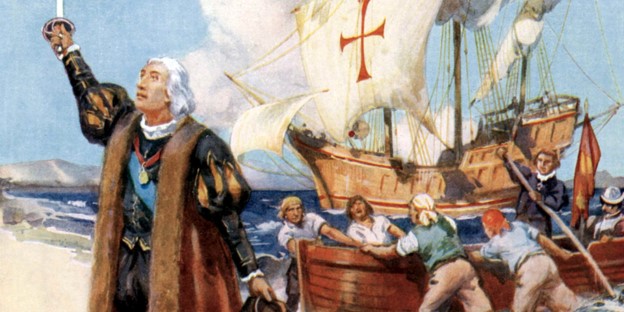
Arawak, American Indians of the Greater Antilles and South America. The Taino, an Arawak subgroup, were the first native peoples encountered by Christopher Columbus on Hispaniola. It was long held that the island Arawak were virtually wiped out by Old World diseases to which they had no immunity (see Columbian Exchange), but more recent scholarship has emphasized the role played by Spanish violence, brutality, and oppression (including enslavement) in their demise.

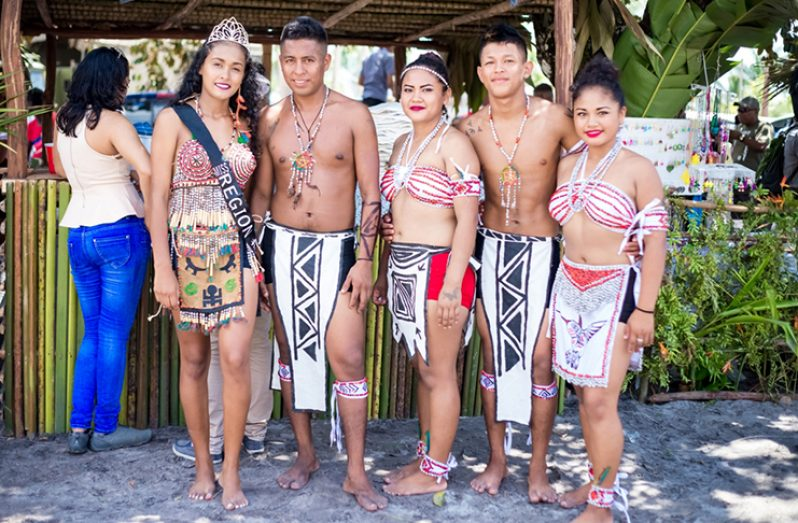
Moreover, in A Short Account of the Destruction of the Indies (1542), Bartolomé de Las Casas paints a horrifying portrait of depredation, slaughter, and sexual abuse by the Spanish. A small number of mainland Arawak survive in South America. Most (more than 15,000) live in Guyana, where they represent about one-third of the Native American population. Smaller groups are found in Suriname, French Guiana, and Venezuela. Their language, also called Arawak, is spoken chiefly by older adults, a characteristic that commonly foretells the death of a language.

READ ALSO

Chevening Scholar Marissa Foster to Return as Guyana’s First Peace Practitioner

The Village Movement: How Freed Africans Bought Their Freedom Twice

The Antillean Arawak, or Taino, were agriculturists who lived in villages, some with as many as 3,000 inhabitants, and practiced slash-and-burn cultivation of cassava and corn (maize). They recognised social rank and gave great deference to theocratic chiefs. Religious belief centred on a hierarchy of nature spirits and ancestors, paralleling somewhat the hierarchies of chiefs. Despite their complex social organisation, the Antillean Arawak were not given to warfare. They were driven out of the Lesser Antilles by the Caribs shortly before the appearance of the Spanish.

The South American Arawak inhabited northern and western areas of the Amazon basin, where they shared the means of livelihood and social organisation of other tribes of the tropical forest. They were sedentary farmers who hunted and fished, lived in small autonomous settlements, and had little hierarchical organisation. The Arawak were found as far west as the foothills of the Andes. These Campa Arawak, however, remained isolated from influences of the Andean civilisations. (Britannica)
ShareTweetSendShareSend

Related Posts

Chevening Scholar, Marissa V. Foster
Feature

Chevening Scholar Marissa Foster to Return as Guyana’s First Peace Practitioner

by Admin
August 16, 2026

Driven by a vision to advance social justice and peacebuilding at home, Marissa Foster, a Chevening Scholar, is preparing to...

Read moreDetails
Feature

The Village Movement: How Freed Africans Bought Their Freedom Twice

by Admin
August 6, 2026

They had endured centuries of enslavement, survived the brutality of the plantation system and emerged from emancipation with little more...

Read moreDetails
President Linden Forbes Sampson Burnham, O.E, S.C
Feature

Burnham at 41: The Architect of Modern Guyana Whose Vision Still Challenges a Nation

by Admin
August 6, 2026

"This Government holds that all the people of this country are equally important, whether they belong to a large group...

Read moreDetails
Next Post

Project started to erect monument in remembrance of Isaiah and Joel Henry


EDITOR'S PICK

United States President Donald Trump; Venezuelan President Maduro Nicolas maduro and Russian President Vladimmi Putin

Venezuela Arms Up with 5,000 Russian Missiles as Washington Circles

October 23, 2025
Minister of Education, Sonia Parag

Literacy, numeracy being strengthened through teacher training, assessments – Min Parag

May 6, 2026
Chinese Premier Li Qiang presides over a State Council group study session focused on artificial intelligence (AI) development on Feb. 11, 2026. Li on Wednesday called for a comprehensive push in the technological innovation, industrial growth and application of AI to foster new quality productive forces and promote high-quality development. (Xinhua/Huang Jingwen)

Chinese premier calls for comprehensive push in AI innovation, application

February 11, 2026

14-year-old student nursing gunshot wound

November 29, 2023

© 2024 Village Voice

No Result
View All Result
  • Home
  • News
  • Sports
  • Editorial
  • Letters
  • Global
  • Columns
    • Eye On Guyana
    • Hindsight
    • Lincoln Lewis Speaks
    • Future Notes
    • Blackout
    • From The Desk of Roysdale Forde SC
    • Diplomatic Speak
    • Mark’s Take
    • In the village
    • Mind Your Business
    • Bad & Bold
    • The Voice of Labour
    • The Herbal Section
    • Politics 101 with Dr. David Hinds
    • Talking Dollars & Making Sense
    • Book Review 
  • Education & Technology
  • E-Paper
  • Contact Us

© 2024 Village Voice