Wednesday, June 17, 2026
Village Voice News
ADVERTISEMENT
  • Home
  • News
  • Sports
  • Editorial
  • Letters
  • Global
  • Columns
    • Eye On Guyana
    • Hindsight
    • Lincoln Lewis Speaks
    • Future Notes
    • Blackout
    • From The Desk of Roysdale Forde SC
    • Diplomatic Speak
    • Mark’s Take
    • In the village
    • Mind Your Business
    • Bad & Bold
    • The Voice of Labour
    • The Herbal Section
    • Politics 101 with Dr. David Hinds
    • Talking Dollars & Making Sense
    • Book Review 
  • Education & Technology
  • E-Paper
  • Contact Us
No Result
View All Result
  • Home
  • News
  • Sports
  • Editorial
  • Letters
  • Global
  • Columns
    • Eye On Guyana
    • Hindsight
    • Lincoln Lewis Speaks
    • Future Notes
    • Blackout
    • From The Desk of Roysdale Forde SC
    • Diplomatic Speak
    • Mark’s Take
    • In the village
    • Mind Your Business
    • Bad & Bold
    • The Voice of Labour
    • The Herbal Section
    • Politics 101 with Dr. David Hinds
    • Talking Dollars & Making Sense
    • Book Review 
  • Education & Technology
  • E-Paper
  • Contact Us
No Result
View All Result
Village Voice News
No Result
View All Result
Home Feature

The Arawak People

The Arawak People

Admin by Admin
September 9, 2022
in Feature
0
SHARES
0
VIEWS
Share on FacebookShare on Twitter

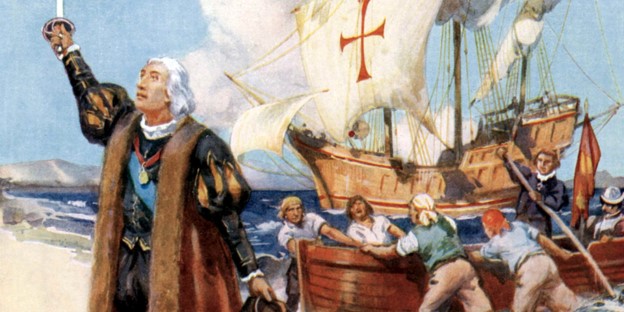
Arawak, American Indians of the Greater Antilles and South America. The Taino, an Arawak subgroup, were the first native peoples encountered by Christopher Columbus on Hispaniola. It was long held that the island Arawak were virtually wiped out by Old World diseases to which they had no immunity (see Columbian Exchange), but more recent scholarship has emphasized the role played by Spanish violence, brutality, and oppression (including enslavement) in their demise.

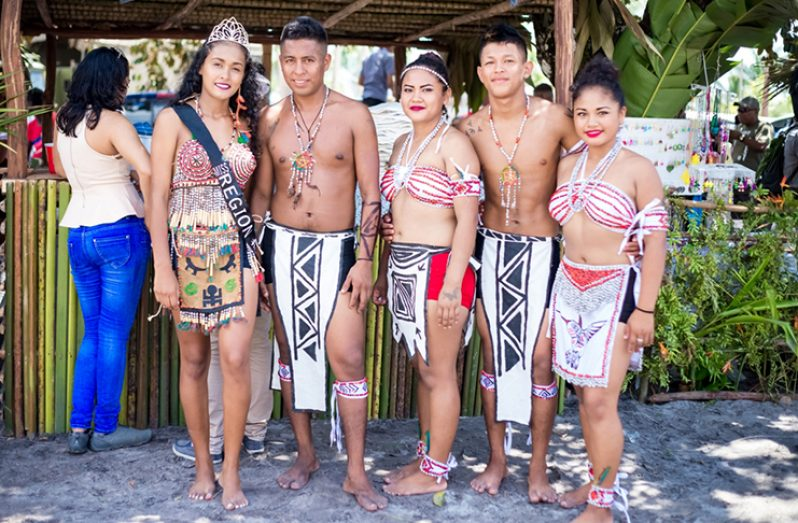
Moreover, in A Short Account of the Destruction of the Indies (1542), Bartolomé de Las Casas paints a horrifying portrait of depredation, slaughter, and sexual abuse by the Spanish. A small number of mainland Arawak survive in South America. Most (more than 15,000) live in Guyana, where they represent about one-third of the Native American population. Smaller groups are found in Suriname, French Guiana, and Venezuela. Their language, also called Arawak, is spoken chiefly by older adults, a characteristic that commonly foretells the death of a language.

READ ALSO

The Social Media Myth: Are Guyanese Children Really Facing a Crisis of Digital Excess?

From Classroom to Creative Entrepreneur: How a Parika/Salem Secondary Student Amanda is Blooming with ‘Amanda’s Blossom Bliss’

The Antillean Arawak, or Taino, were agriculturists who lived in villages, some with as many as 3,000 inhabitants, and practiced slash-and-burn cultivation of cassava and corn (maize). They recognised social rank and gave great deference to theocratic chiefs. Religious belief centred on a hierarchy of nature spirits and ancestors, paralleling somewhat the hierarchies of chiefs. Despite their complex social organisation, the Antillean Arawak were not given to warfare. They were driven out of the Lesser Antilles by the Caribs shortly before the appearance of the Spanish.

The South American Arawak inhabited northern and western areas of the Amazon basin, where they shared the means of livelihood and social organisation of other tribes of the tropical forest. They were sedentary farmers who hunted and fished, lived in small autonomous settlements, and had little hierarchical organisation. The Arawak were found as far west as the foothills of the Andes. These Campa Arawak, however, remained isolated from influences of the Andean civilisations. (Britannica)

ShareTweetSendShareSend

Related Posts

Media practitioners in attendance at National Consultation on Social Media and its Consequential Effects on Children (DPI photo)
Feature

The Social Media Myth: Are Guyanese Children Really Facing a Crisis of Digital Excess?

by Admin
June 14, 2026

The Government's National Consultation on Social Media and its Consequential Effects on Children begins from a proposition few would dispute:...

Read moreDetails
Ronelsa Amanda Daniels
Feature

From Classroom to Creative Entrepreneur: How a Parika/Salem Secondary Student Amanda is Blooming with ‘Amanda’s Blossom Bliss’

by Admin
June 14, 2026

For many young people, discovering a true passion and turning it into a thriving business takes a lifetime. However, for...

Read moreDetails
Elicia Noble
Feature

A Journey of Growth and Resilience: How Elicia Noble Fosters Young Minds While Serving Up Culinary Love

by Admin
June 7, 2026

For Elicia Noble, success is built on passion, determination, and a willingness to serve others. A dedicated teacher at Viola...

Read moreDetails
Next Post

Project started to erect monument in remembrance of Isaiah and Joel Henry


EDITOR'S PICK

WORD OF THE DAY: RASH

March 14, 2026

WORD OF THE DAY: PASTICHE

December 31, 2024
Gas station bombed on October 25, 2025

Fuel Station Bombing Suspect Confesses, Claims Sole Responsibility in Court

March 25, 2026
United Nations Secretary-General António Guterres

UN says health care situation in Haiti is getting worse

May 3, 2025

© 2024 Village Voice

No Result
View All Result
  • Home
  • News
  • Sports
  • Editorial
  • Letters
  • Global
  • Columns
    • Eye On Guyana
    • Hindsight
    • Lincoln Lewis Speaks
    • Future Notes
    • Blackout
    • From The Desk of Roysdale Forde SC
    • Diplomatic Speak
    • Mark’s Take
    • In the village
    • Mind Your Business
    • Bad & Bold
    • The Voice of Labour
    • The Herbal Section
    • Politics 101 with Dr. David Hinds
    • Talking Dollars & Making Sense
    • Book Review 
  • Education & Technology
  • E-Paper
  • Contact Us

© 2024 Village Voice