Holy basil, also known as Ocimum sanctum L. and tulsi, is native to Southeast Asia. It has a history within Indian medicine as a treatment for many conditions, from eye diseases to ringworms. From the leaves to the seed, holy basil is considered a tonic for the body, mind, and spirit. Different parts of the plant are recommended for treating different conditions:
• Use its fresh flowers for bronchitis.
• Use the leaves and seeds, with black pepper, for malaria.
• Use the whole plant for diarrhea, nausea, and vomiting.
• Use the pill and ointment form for eczema.
• Use an alcohol extract for stomach ulcers and eye diseases.
• Use an essential oil made from the leaves for insect bites.
Many studies support the use of the entire plant of holy basil for human use and its therapeutic value. The nutritional value is also high, as it contains: vitamin A and C; calcium; zinc; iron; chlorophyll.
Reduce stress and anxiety-All parts of the holy basil plant act as an adaptogen. An adaptogen is a natural substance that helps your body adapt to stress and promotes mental balance. The concept of an adaptogen is a holistic approach. But scientific research shows that holy basil has pharmacological properties to help your mind cope with many types of stress.
According to the Journal of Ayurveda and Integrative Medicine, holy basil has antidepressant and anti-anxiety properties comparable to diazepam and antidepressant drugs. These studies examined the leaves. One study found that people who took 500 milligrams (mg) of holy basil extract each day felt less anxious, stressed, and depressed. People also felt more social.
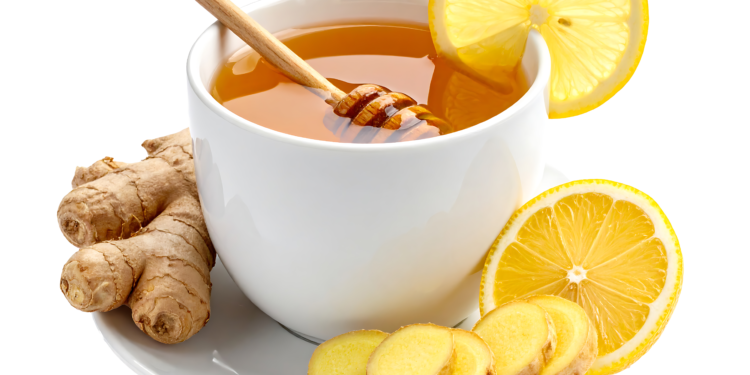
Ayurvedic practitioners recommend drinking holy basil as tea using the leaves. And since it’s caffeine-free, it’s OK and even recommended to drink daily. The act of drinking tea can be ritualistic and as calming as yoga. It fosters clear thoughts, relaxation, and a sense of well-being.
Stimulate and vitalize your body- Holy basil is also high in antioxidants and helps your body detox. Studies show that holy basil can protect your body against toxic chemicals. It may also prevent cancer by reducing the growth of cancerous cells.
Protect against infection and treat wounds-Extracts made from its leaves are thought to boost wound healing speed and strength. Holy basil is: antibacterial; antiviral; antifungal; anti-inflammatory; analgesic (a painkiller)
Some people even use holy basil after surgery to heal and protect their wounds. Holy basil increases your wound’s breaking strength, healing time, and contraction. Breaking strength refers to how much pressure or weight a wound can take before it breaks. Research shows that holy basil may work against infections and wounds, such as: mouth ulcers, keloids, raised scars, acne
Lower your blood sugar- If you have prediabetes or type 2 diabetes, all parts of the holy basil plant can help reduce your blood sugar. Animal and human studies have shown that holy basil can help prevent symptoms of diabetes such as: weight gain; hyperinsulinemia, or excess insulin in the blood; high cholesterol; insulin resistance; hypertension
Lower your cholesterol- Since holy basil targets metabolic stress, it can also help with weight loss and cholesterol levels.
Ease inflammation and joint pain- Imagine being able to tackle stress, anxiety, and inflammation with a relaxing cup of tea made with the leaves of holy basil. As an adaptogen with anti-inflammatory and antioxidant properties, holy basil provides all of these benefits. It can even help people with arthritis or fibromyalgia.
Protect your stomach- Holy basil can counteract the effects of stress-induced ulcers. It naturally increases your stomach’s defense by: decreasing stomach acid; increasing mucus secretion; increasing mucus cells; extending life of mucus cells. Many drugs for peptic ulcers have side effects and can cause discomfort in some people. Holy basil may be a preferred alternative.
Adding holy basil to your self-care- You can also make holy basil tea using the leaves, flowers, or dried leaf powder. The herb can also be used to make freshly brewed tea by placing 2–3 teaspoons of holy basil in a cup of boiling water and letting it steep for 5–6 minutes. The leaves are also commonly used in cooking, though some people eat the leaves raw. Holy basil tastes spicy and bitter.
Safe use- Always make sure to speak with your doctor before incorporating holy basil or any other supplement into your diet.
Extracted from Healthline.com