Guyana has received validation from the World Health Organization (WHO) for eliminating mother-to-child transmission of HIV and syphilis as public health problems, marking a significant development in the country’s maternal and child healthcare programme.
The validation, announced on November 19, 2026, followed an assessment involving the WHO and the Pan American Health Organization (PAHO), recognising Guyana’s progress in preventing the transmission of the infections from pregnant women to their babies during pregnancy, childbirth and breastfeeding.
The achievement covers the 2022–2025 assessment period and reflects improvements in maternal screening, access to treatment, laboratory services and disease surveillance.
Mother-to-child transmission of HIV and syphilis remains a serious public-health concern because infections can have devastating consequences for infants if they are not identified and treated during pregnancy.
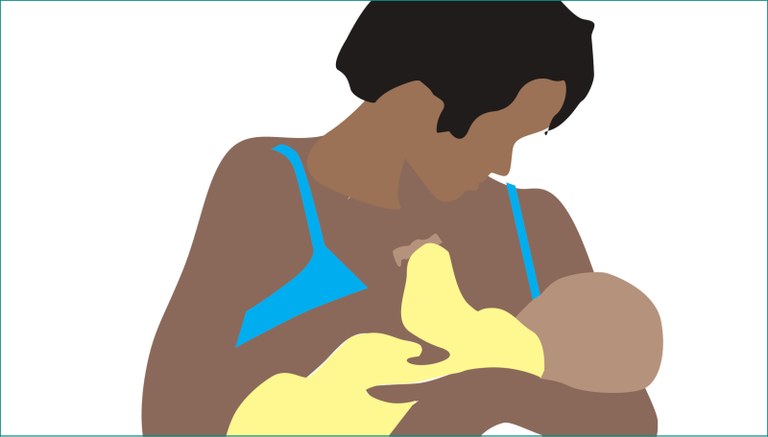
HIV can be transmitted from an infected mother to her child during pregnancy, delivery or breastfeeding. Syphilis, a sexually transmitted infection caused by bacteria, can also pass from an infected pregnant woman to her unborn child, potentially resulting in miscarriage, stillbirth, premature birth or serious complications in newborns.
However, timely testing and appropriate treatment during pregnancy can substantially reduce these risks.
WHO validation is therefore significant because it recognises that a country has met established international public-health criteria for reducing transmission and strengthening the systems needed to prevent new infections.
The assessment considers several elements, including access to antenatal care, testing of pregnant women, treatment coverage, quality of laboratory services and the reliability of national health information systems.
Guyana’s achievement reflects the work of healthcare professionals and public-health programmes involved in maternal screening, diagnosis and treatment, as well as collaboration with international health partners.
The WHO and PAHO have played important roles in supporting countries throughout the Americas in strengthening their efforts to prevent mother-to-child transmission of HIV, syphilis and other infections.
Importantly, the validation does not mean that HIV and syphilis have been eradicated in Guyana. Rather, it confirms that mother-to-child transmission has been reduced to internationally recognised levels and that the country has demonstrated the capacity to sustain prevention and monitoring efforts.
Maintaining that progress will require continued investment in antenatal services, routine screening, timely treatment and access to healthcare, particularly for women living in remote and hinterland communities.
It will also require addressing barriers that may prevent pregnant women from accessing early prenatal care, including geographical challenges, stigma, discrimination and limited availability of specialised services.
The achievement provides an opportunity for Guyana to strengthen its wider maternal and child health programme while ensuring that the progress recognised internationally translates into continued protection for mothers and newborns.