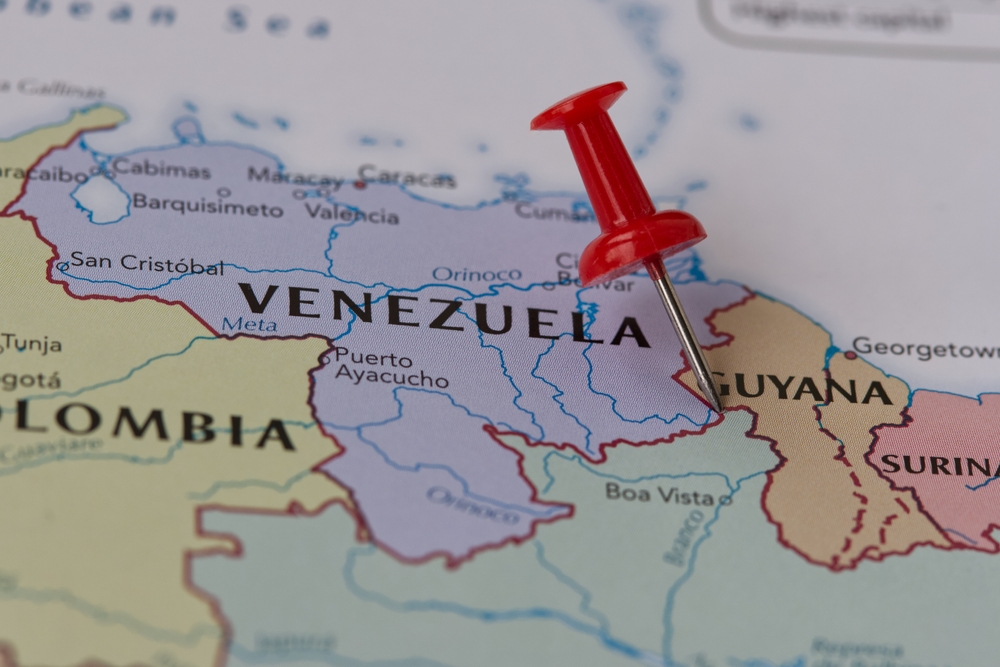
By Edward Meertins-George Esq- Recent reporting by Reuters disclosed that former U.S. State Department Policy Planning Director Jeremy Lewin held White House-authorized preliminary talks in September 2026 with Guyanese Foreign Secretary Robert Persaud, floating the possibility of U.S.-brokered negotiations in which Venezuela would assume partial control of the Essequibo region.
This outreach followed a May 2026 letter from Venezuela’s acting President Delcy Rodríguez requesting American mediation, alongside rapidly warming bilateral ties between Washington and Caracas that include major U.S.-backed Venezuelan oil concessions and a November 2026 military cooperation pact. Although the U.S. State Department subsequently stated that its official recognition of the existing boundary has not changed, the discussions demonstrated that figures within the Trump administration were willing to entertain territorial concessions from Guyana to advance broader strategic and energy arrangements with Venezuela.
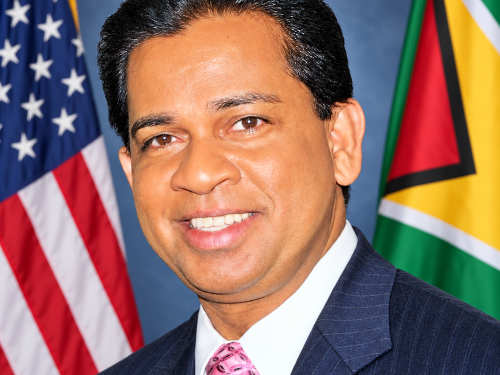
In public statements following the Reuters report, Guyana’s Ministry of Foreign Affairs—under Foreign Secretary Persaud and the administration of President Irfaan Ali and Vice President Bharrat Jagdeo—maintained that the Essequibo’s status is non-negotiable and that Georgetown remains committed solely to the pending International Court of Justice (ICJ) ruling. However, political critics and international affairs experts argue that public denials from PPP officials do not eliminate the risk of a quiet diplomatic accommodation.
They further contend that because the governing party relies heavily on Washington’s security umbrella and diplomatic backing, top officials such as Jagdeo, Ali and Persaud could face intense pressure to covertly accept a negotiated “land-for-peace” or joint-administration framework if the White House prioritizes its hegemonic control and access to Venezuelan oil over Georgetown’s sovereign claims.
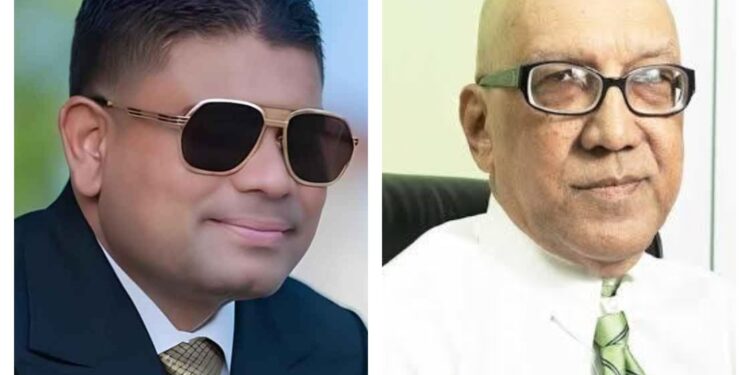
Skeptics of the PPP administration argue that its overriding priority is maintaining political power, a focus they claim would leave the ruling party vulnerable to U.S. geopolitical leverage. This critique points to the severe legal and institutional pressures forced upon Guyana’s official parliamentary opposition, the We Invest in Nationhood (WIN) party, led by Azruddin Mohamed, which finished second in the September 2025 general election. Following U.S. Treasury sanctions, a federal indictment in Florida, a U.S. extradition request, and his subsequent remand to prison on domestic cybercrime charges in October 2026, Mohamed’s ability to challenge the government’s undemocratic governance, human rights abuses, and endemic government corruption has been sharply curtailed.
To government watchdogs and anti-corruption advocates, the convergence of U.S. legal actions against Mohamed, Georgetown’s lobbying contract with the MAGA-aligned firm Continental Strategy, the PPP’s obsession with total domestic political dominance, and the perceived willingness of the U.S. to turn a blind eye to troubling signs of an emerging dictatorship raise concerns that the administration could feel compelled to accommodate Washington’s regional diplomatic preferences.
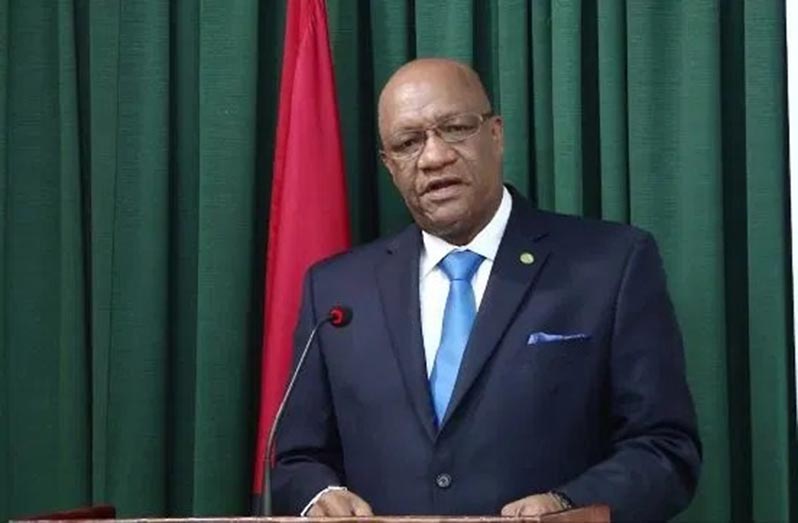
This geopolitical debate is unfolding alongside a major realignment among Guyana’s traditional political forces. In the September 2025 elections, the People’s National Congress Reform (PNCR)—led by Aubrey Norton under the A Partnership for National Unity (APNU) banner—suffered a historic defeat, falling to third place with 17.8% of the vote and 12 parliamentary seats after losing significant support to WIN. Historically, the PNC/PNCR has played a foundational role in shaping Guyana’s diplomatic and legal strategy to contain Venezuelan territorial claims, and Norton has consistently maintained that Guyana must not cede an inch of the Essequibo.
In November 2026, Vice President Jagdeo extended a public call for political unity between the PPP and the PNCR, an overture that observers view as an olive branch to a weakened rival facing potential political irrelevance. While Norton responded by setting strict preconditions—including electoral reforms, public servant wage increases, and the dropping of specific legal cases—the outreach has introduced new uncertainty into the opposition landscape.
The prospect of a PPP–PNCR rapprochement carries complex implications for both Guyana’s internal politics and its posture toward Venezuela. Supporters of national unity argue that bringing the PNCR’s institutional experience on the border controversy into a bipartisan framework could strengthen Georgetown’s hand against external pressure but seems to ignore the emergence of the largely popular WIN, which has tipped the political balance of power in Georgetown.
Conversely, critics warn that if the PNCR aligns with the PPP primarily as a strategy for political survival after its 2025 electoral losses, it could deepen divisions within the broader opposition—particularly between PNCR loyalists and WIN supporters—while further eroding independent parliamentary oversight, already a victim of the ruling PPP’s authoritarian posture and practice at a critical moment for Guyana’s territorial sovereignty.