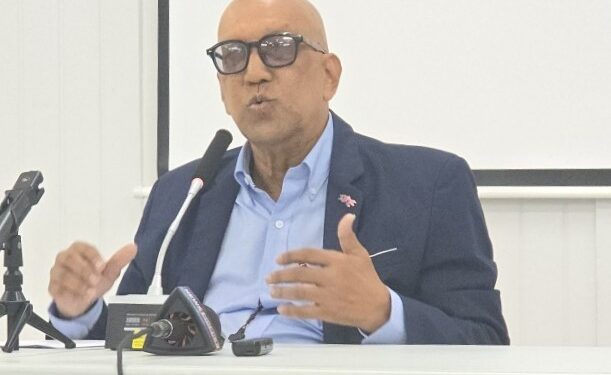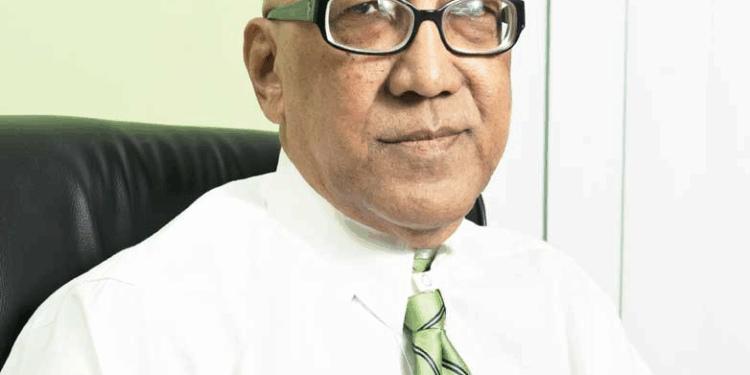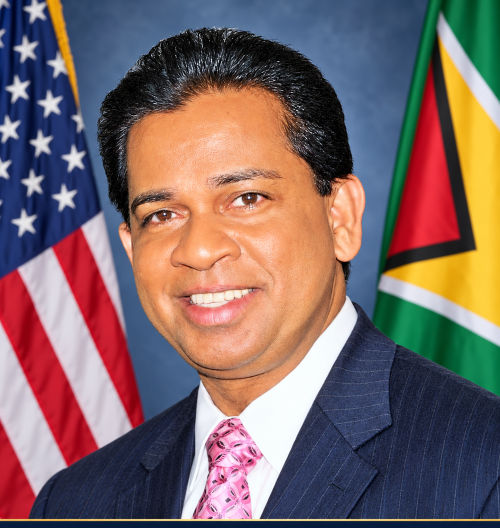
By Albert Baldeo- Acting Director of Prisons Nicklon Elliot confirms that the State holds Opposition Leader Azruddin Mohamed alone in a seven-by-fourteen-foot cell at Lusignan. Mr. Mohamed has pleaded not guilty to the cybercrime charge on which he was remanded. He is an unconvicted man awaiting trial. The magistrate authorized his detention. No court sentenced him to punishment.
Mr. Mohamed swore that he was allowed out of his cell for only ten minutes a day and that a bright white light remained on throughout the night. If his account is borne out, I regard those conditions as oppressive, arbitrary and unlawful. Article 144(2)(a) of Guyana’s Constitution guarantees him the presumption of innocence. Article 141(1) protects every person in custody from inhuman or degrading treatment. The High Court expressly left the disputed facts about his treatment undecided when it refused interim bail.
Mr. Elliot disputes that account. He says prison records show that on November 1 Mohamed spent nine hours and twenty minutes outside his holding area, including two hours with a lawyer. That is a substantial answer for November 1. What do the records show for the other days? How much time did he spend outdoors? At what hour was the light switched off or dimmed enough for him to sleep? Mr. Elliot explains that the light was part of the building’s original design. A prisoner lying awake under it has a supervening, immediate concern. The UN Nelson Mandela Rules expressly prohibit placing a prisoner in a constantly lit cell as a restrictive measure.
Guyana’s own Prison Rules put a limit on what officials may do in the name of security. Rule 251(a) permits only the restrictions required for safe custody and good order. Rule 312(2) specifically limits restrictions on association among untried prisoners to what is necessary to prevent “contamination or conspiracy to defeat the ends of justice.” The Director cites Standing Order No. 38 for high-profile prisoners. That cannot be interpreted to mean harsher punishment. What particular risk required these restrictions on this man, and when did anyone last review whether they were still necessary? Public interest in a prosecution cannot, by itself, justify inhumane confinement.
I call upon the Judge to visit and determine the conditions, and/or exercise the inspection powers Parliament provided in section 47(1) of the Prison Act. Visit the cell during the day, and after dark. Hear Mohamed and the officers responsible for his custody. Examine the daily movement and exercise records and the medical officer’s certification of the cell’s lighting and ventilation. Report the findings to the Minister of Home Affairs. The Prison Service should end immediately every restriction it cannot justify. Every Guyanese awaiting trial is entitled to that protection, including those whose names will never appear in a headline.