Britain’s Prime Minister came to the Caribbean offering an apology with conditions attached. The GAC’s reply: the offender does not get to write the sentence.
MONTEGO BAY, Jamaica — Britain has finally found the words “formal apology.” What it still cannot find, the Global Afrikan Congress (GAC) charges, is the courage to face the bill.
In a blistering official statement issued on November 11, the GAC condemned British Prime Minister Andy Burnham for excluding reparations from his proposed talks on Britain’s responsibility for the transatlantic trafficking of enslaved Africans and plantation enslavement — a position he carried to the Commonwealth Heads of Government Meeting (CHOGM) in St John’s, Antigua and Barbuda, on November 3–4.
Burnham has gone further than any British premier before him. He has said he is open to a formal apology and has proposed a “structured dialogue” with affected countries and communities. But he has been just as plain that financial reparations are not the answer, and that today’s British taxpayers cannot be made to pay for historical wrongs.
For the GAC, that is not a concession. It is the insult.
“Who gave the British Prime Minister the authority to decide what justice should look like for the victims of British enslavement and colonial exploitation?”
— Global Afrikan Congress statement, November 11, 2026
The offender writing the sentence
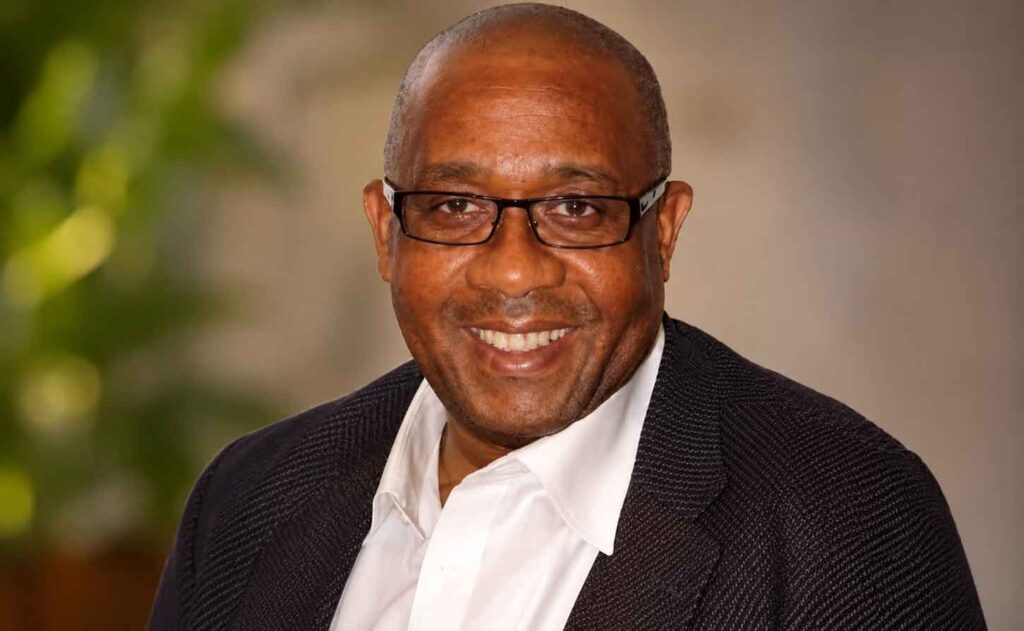
The statement, signed by GAC Ambassador General Cikiah Thomas, argues that London is attempting two things at once: scripting its own apology while fencing off the justice that African people and their descendants are entitled to demand.
It calls that posture “profoundly disrespectful” to Caribbean governments, to African descendants across the Americas, and to generations of activists who forced the issue onto the world stage.
Nor, the GAC insists, can Britain plead ignorance. The CARICOM Reparations Commission, chaired by Sir Hilary Beckles, long ago tabled its Ten-Point Reparations Plan, covering a formal apology, repatriation, Indigenous peoples’ development, public health, education, technology transfer and debt cancellation. Caribbean leaders, Barbados Prime Minister Mia Mottley prominent among them, have pressed the case repeatedly at the United Nations.
“The problem is not a lack of information,” the statement declares. “It is the continuing political unwillingness to accept the implications of that information.”
The taxpayer defence
Burnham’s central argument — that the living cannot be billed for the sins of the dead — gets short shrift. The British state, the Crown, the banks and the commercial houses that grew fat on enslavement, the GAC says, “did not simply disappear when slavery was abolished.” Institutions endure. So do their accumulated advantages. So, it argues, does their responsibility.
History sharpens the point. The £20 million Britain borrowed in 1833 to compensate slave owners — not the enslaved — was not finally retired until February 1, 2015. British taxpayers, in other words, were still settling slavery’s account in this century. They were simply paying the other side.
The GAC also smells a double standard. Would Burnham, it asks, have told the United States, Germany, France, the Netherlands or Japan that an apology could be discussed but compensation was off limits? “The Caribbean consists of independent states,” it says. “We are not Britain’s former colonial subjects waiting for permission.”
The Crown in the dock
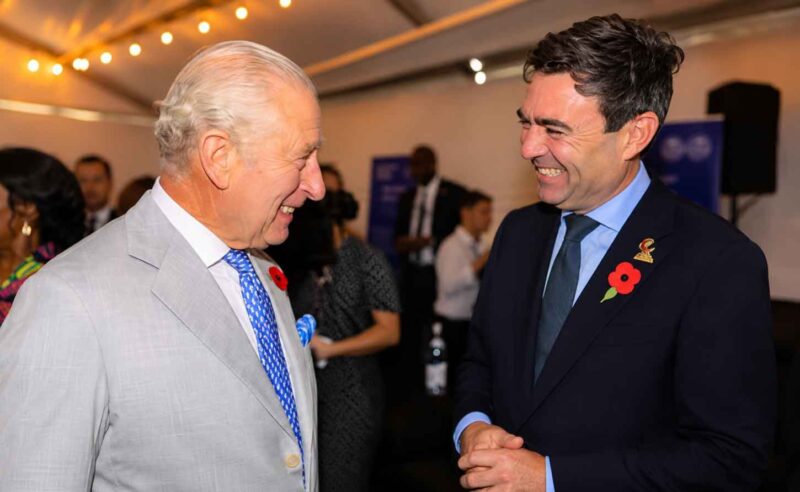
The statement refuses to let Buckingham Palace shelter behind Downing Street. It notes that the Royal African Company received its charter in 1672 under King Charles II, and says King Charles III — who opened the Antigua summit — “cannot be treated as an uninvolved ceremonial figure.” The constitutional line between Crown and elected government, the GAC argues, must not become an escape hatch; the monarchy, the churches and the financial institutions tied to the trade must sit at the table and contribute.
No back door
On substance, the GAC is unbending: the CARICOM Ten-Point Plan is the starting point, and no British-designed substitute of apology, aid, debt restructuring or “partnerships” will be accepted in its place. Debt relief and development cooperation may form part of the package, it concedes, but cannot extinguish the historical debt. Nor will the region invite Britain “to return through the back door of economic diplomacy.”
Any talks, it adds, must reach beyond ministers and party officials to reparations organisations, grassroots movements, Rastafari communities and Indigenous peoples, with a clear timetable, measurable outcomes and real resources.
“Our ancestors were not members of political parties when they were captured, trafficked, and enslaved.”
— Global Afrikan Congress statement, November 11, 2026
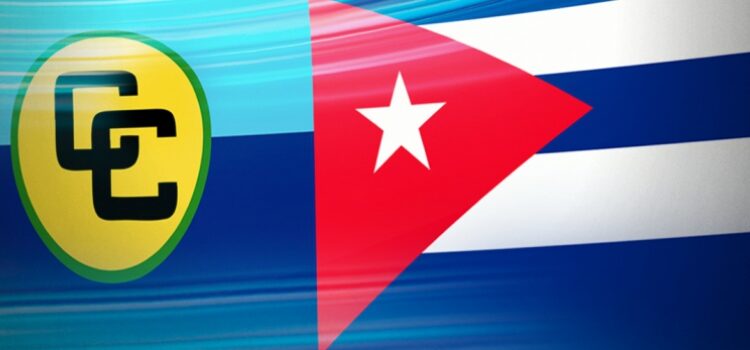
CARICOM has taken a more diplomatic line, welcoming Burnham’s openness to an apology while insisting that reparatory justice remain central to any dialogue. The GAC wants that line held, urging regional governments not to be divided by “selective offers, bilateral arrangements or promises of development assistance,” and calling on African governments to close ranks with the Caribbean.
Patience, with an expiry date
The statement ends less as a plea than as a notice. “We have been polite for generations. We have been patient for generations. We have presented our case for generations,” it reads. “Britain cannot dictate the terms of our justice.”
Burnham may yet deliver the apology his predecessors would not. But the message from the GAC is that sorry is where the conversation starts. Britain does not get to decide where it ends.