By Mark DaCosta-Diabetes has spread across the globe faster than most people realise, and it is now hitting low- and middle-income countries hardest. For Guyana, where national blood testing has revealed a far larger burden than earlier estimates suggested, World Diabetes Day, marked on 10 November, is a reminder that the disease is largely preventable and manageable. It is also a warning that the cost of neglect falls on families, rural communities and the public purse.
When the United Nations General Assembly designated the day in 2007, it spoke of “the urgent need to pursue multilateral efforts” on health. Nearly two decades later, the urgency has only deepened. In 1980, roughly 108 million adults lived with the condition. By 2014 the figure had climbed to about 422 million, lifting the share of adults affected from 4.7 per cent to 8.5 per cent. Public health experts link the surge to rising rates of excess weight and obesity.
To understand why this matters, it helps to understand the biology. After a meal, the body breaks food down into glucose, the sugar that fuels every cell. The pancreas releases insulin, a hormone that acts like a key, unlocking cells so glucose can enter. Diabetes develops when that system fails. In Type 1, which often appears in childhood, the body stops making insulin almost entirely, and patients depend on daily injections to survive. In Type 2, by far the most common form, the body still produces insulin but cannot use it effectively, usually because of excess weight and physical inactivity.
A third form, gestational diabetes, first emerges during pregnancy. In every case, sugar accumulates in the bloodstream, a state called hyperglycaemia, which over the years damages blood vessels and nerves. The consequences can include blindness, kidney failure, heart attack, stroke and amputation of the feet and legs. Early warning signs such as unusual thirst, frequent urination, fatigue and blurred vision are easily dismissed, which is why the illness is so often called silent.
Guyana’s own numbers should give every citizen pause. Before 2016, the country had never measured diabetes through actual blood testing. When the Ministry of Public Health carried out its first national survey, researchers found that approximately one in three women and one in four men had diabetes or pre-diabetes. Rural women fared worst, with double the prevalence of rural men, a pattern that reversed in urban areas. The authors concluded that the burden was considerably higher than previously estimated. Health officials have since reported more than 60,000 recorded cases in 2021, and one adviser estimated that at least a tenth of national health spending may be linked to the disease.
The human cost reaches well beyond the clinic. A farmer in Essequibo or a vendor on the coast who loses a foot or her eyesight also loses income, and relatives often become unpaid carers. Children living with Type 1 diabetes, numbering around 170 by one 2021 count, need uninterrupted access to insulin. Every amputation, dialysis session and stroke adds to the strain on hospitals, while changing eating habits, with more processed foods and sweetened drinks and less physical labour, keep feeding the problem.
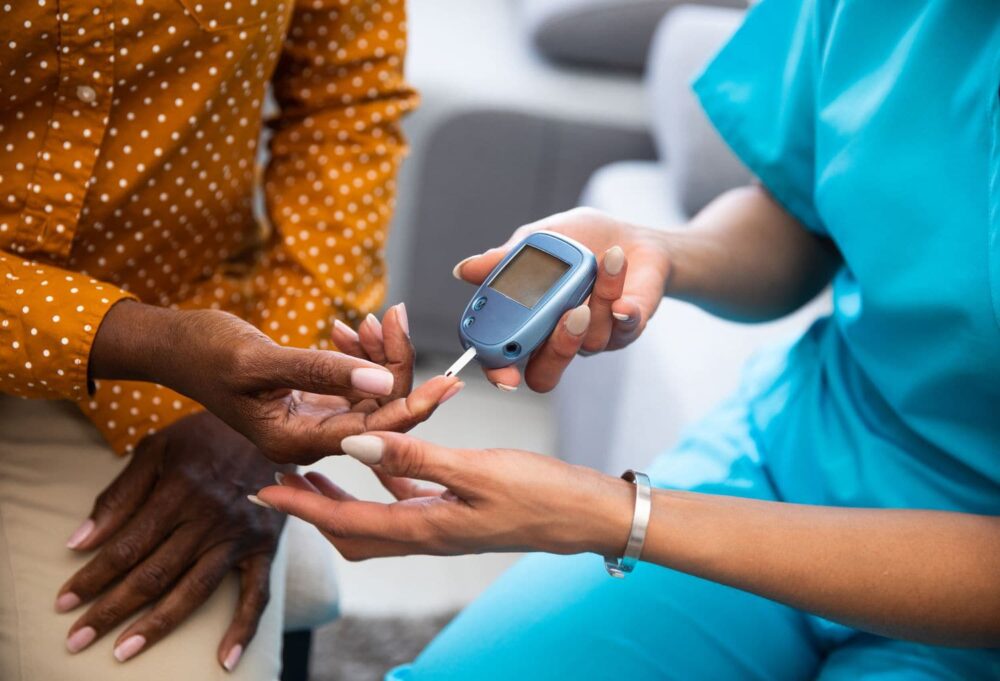
The encouraging truth is that much of this suffering can be avoided or delayed. A healthy diet, regular exercise and staying away from tobacco can prevent or postpone Type 2 diabetes. For those already diagnosed, routine screening, medication and prompt treatment of complications can keep people well for decades. Simple habits make the difference: checking blood sugar, having eyes and feet examined regularly, and taking prescribed medication consistently.
Government has begun to respond. A $50 million diabetes centre opened at Lusignan in 2023, and the Ministry has partnered with Mount Sinai to introduce long-term blood sugar testing machines and new treatment guidelines. Those guidelines are being rolled out across roughly 450 health facilities, backed by a dedicated Chronic Diseases Department and a strategy being developed with the Pan American Health Organisation.
Still, clinics alone cannot turn the tide. Our nation needs sustained screening in rural regions, where women appear most exposed, along with healthier school meals, safe spaces for exercise and honest conversation about what our families eat and drink. This World Diabetes Day, the most practical act of patriotism may be a visit to the nearest health centre for a simple blood sugar test.