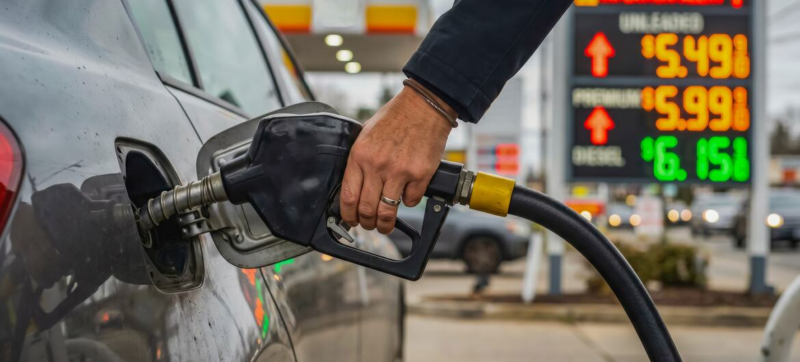
Developing economies are bearing a disproportionate share of the global fuel price shock triggered by the conflict in the Middle East and disruption of shipping through the Strait of Hormuz, with sharp increases in diesel and gasoline prices threatening household purchasing power, trade and economic stability.
A new report by the United Nations Conference on Trade and Development (UNCTAD), released on November 4, 2026, finds that although international oil prices surged across global markets, the impact at fuel stations has varied significantly, with developing countries experiencing some of the steepest increases.
Between February 23 and August 31, diesel prices in Nigeria increased by approximately 83 per cent, compared with just nine per cent in Ireland. Gasoline prices rose by approximately 51 per cent in Myanmar, while Sweden recorded an increase of only three per cent.
The disparities reflect differences in domestic fuel pricing policies, taxation, government subsidies, exchange rates and dependence on imported energy.
The crisis followed the disruption of the Strait of Hormuz in February, a critical shipping corridor through which approximately one-fifth of the world’s oil normally passes. The closure triggered a major supply shock, sending Brent crude, the international oil benchmark, from approximately US$70 per barrel in January to more than US$120 in March.
Prices subsequently eased between April and June as diplomatic negotiations progressed, but climbed again after talks collapsed and fighting resumed. UNCTAD warned that oil futures markets indicated prices could remain elevated through the end of 2026, prolonging pressure on households and businesses.
The consequences extend well beyond motorists. Higher diesel prices increase the cost of transporting food, agricultural products and manufactured goods, while businesses facing higher operating expenses often pass those costs on to consumers.
Previous UNCTAD research found that a 25-cent increase in fuel prices per litre could reduce household purchasing power by more than five per cent on average in developing economies.
Countries heavily dependent on imported fuel face additional economic pressures because higher international prices increase the amount of foreign exchange needed to meet domestic energy requirements.
UNCTAD cited Cabo Verde, where net fuel imports amounted to approximately one-quarter of gross domestic product in 2023, and Lebanon, where they represented nearly one-fifth.
Higher fuel import bills leave governments with fewer resources to finance other essential imports, including food, medicines and equipment. Countries already struggling with debt and budgetary constraints consequently have less capacity to subsidise fuel or provide financial assistance to households.
The report therefore calls for governments to diversify their energy supplies and accelerate investment in affordable renewable energy to reduce exposure to geopolitical disruptions.
UNCTAD noted that wind and solar energy are not subject to the same international supply disruptions as fossil fuels and cannot be depleted. It also reported that renewable energy technologies are cheaper than the least expensive new fossil-fuel alternatives in more than 90 per cent of cases.
For developing countries, the latest oil shock highlights the economic risks of excessive dependence on imported fossil fuels and the vulnerability of households to international conflicts over which they have little control.
The report’s central warning is that without greater energy diversification and investment in renewable alternatives, developing economies will remain particularly exposed whenever geopolitical tensions disrupt global energy supplies.