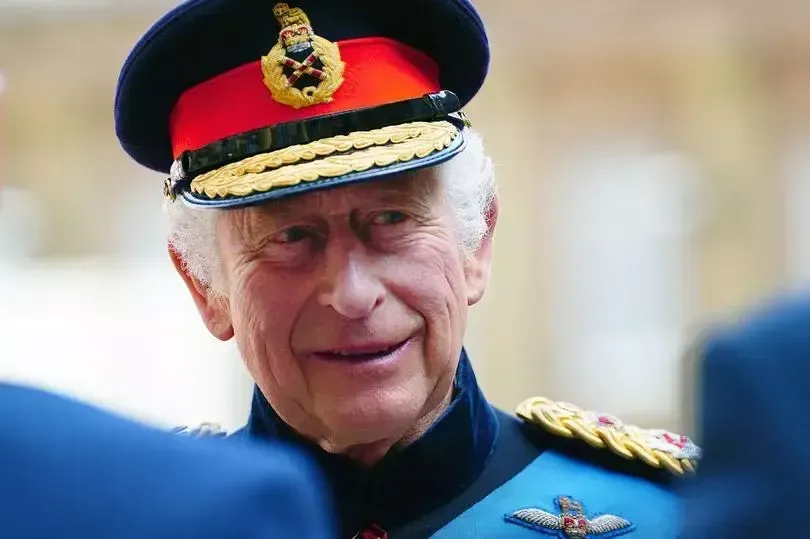
King Charles III arrives in Guyana on Thursday, October 29, for a two-day state visit marking 60 years of diplomatic relations with the United Kingdom, bringing renewed attention to a relationship shaped by colonial rule, independence, rainforest conservation and Guyana’s rapidly changing economic fortunes.
The visit, 26 years after Charles last came to Guyana as Prince of Wales in February 2000, will feature meetings with President Irfaan Ali, Indigenous leaders, environmental advocates, scientists and business representatives. It will also include engagements focused on biodiversity, sustainable development and coastal protection, according to the Department of Public Information.
Guyana and Britain established diplomatic relations on May 26, 1966, the day Guyana gained independence. Guyana became a republic in 1970 but remained in the Commonwealth. The anniversary, however, represents more than six decades of diplomatic engagement: it also invites reflection on the legacy of British colonialism and the terms on which the two countries now relate as sovereign states.
For Guyana, the central question is how the relationship can deliver tangible benefits for its people, rather than simply generate ceremonial goodwill and international recognition.
Hoyte’s legacy and Guyana’s forest wealth
One of the most significant elements of the king’s visit will be the attention given to the Iwokrama International Centre, whose origins are closely tied to former President Desmond Hoyte.
At the 1989 Commonwealth Heads of Government Meeting in Kuala Lumpur, Malaysia, Hoyte committed a vast tract of Guyana’s rainforest to an international initiative intended to demonstrate how tropical forests could be conserved while supporting sustainable development. The centre was subsequently established through legislation in 1996.
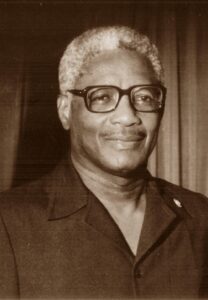 Today, Iwokrama manages approximately 371,000 hectares of rainforest and conducts work in conservation, research, training and sustainable use of forest resources. Charles became its patron during his 2000 visit and renewed that role in 2024. The centre’s official website outlines its work in biodiversity conservation and sustainable forest management.
Hoyte’s contribution is important to Guyana’s national story. The initiative began under a different administration and demonstrates that the country’s environmental diplomacy has developed across successive governments. Guyana’s forests are not simply a global environmental asset; they are part of the country’s natural inheritance, economic potential and responsibility to future generations.
From forest protection to economic returns
Charles later supported Guyana’s argument that countries protecting forests should receive financial compensation for the environmental benefits they provide internationally.
In 2008, he endorsed then-President Bharrat Jagdeo’s proposal for a new approach to forest conservation, describing it as a “truly innovative roadmap of national development”. Guyana subsequently launched its Low Carbon Development Strategy in 2009 and entered a forest-conservation partnership with Norway that delivered results-based payments.
The strategy has since expanded through carbon-credit markets and efforts to attract financing for biodiversity protection. President Ali’s government is now pursuing the Global Biodiversity Alliance as part of that wider agenda.
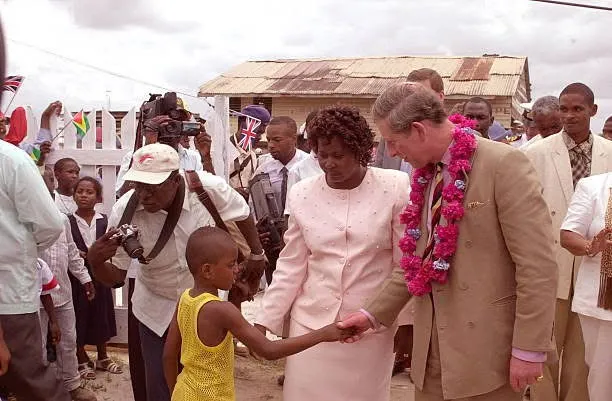
Yet the national test is not simply whether Guyana attracts international praise or secures conservation funding. It is whether the benefits translate into stronger communities, sustainable livelihoods, protection of Indigenous rights and transparent use of national resources.
The King’s Foundation is also partnering with the government on the Georgetown Urban Framework Plan, aligned with LCDS 2030, including seven demonstration projects and the proposed sustainable town of Canal City.
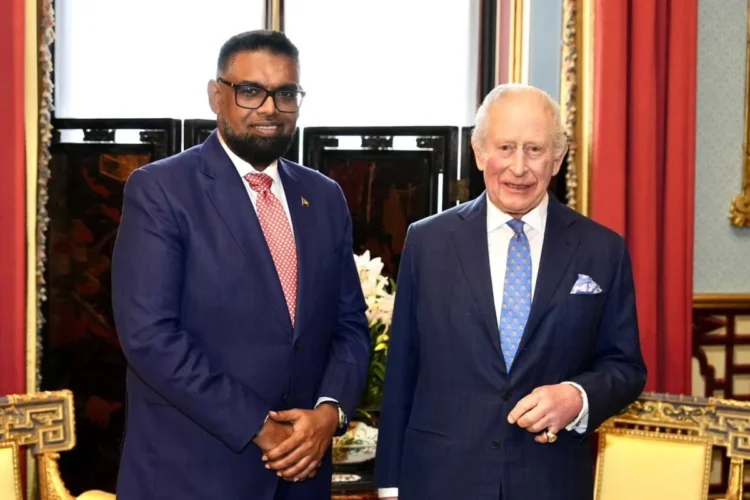
A relationship that must deliver
The visit comes as oil production has transformed Guyana’s economic position and intensified questions about how the country balances petroleum development with its environmental commitments.
Guyana’s expanding wealth creates opportunities, but also raises the stakes around public accountability, equitable development and the protection of natural resources. International partnerships must support Guyana’s priorities while respecting its right to determine its own development path.
The visit also arrives amid renewed Caribbean demands for Britain to confront the legacy of slavery and colonialism. President Ali has publicly called for a formal apology and reparatory justice, according to ITV News.
As Charles meets Guyanese leaders and communities, the significance of the occasion will therefore extend beyond royal ceremony. It will be measured by whether the relationship advances meaningful cooperation, acknowledges historical injustice and helps ensure that Guyana’s natural wealth benefits Guyanese people.