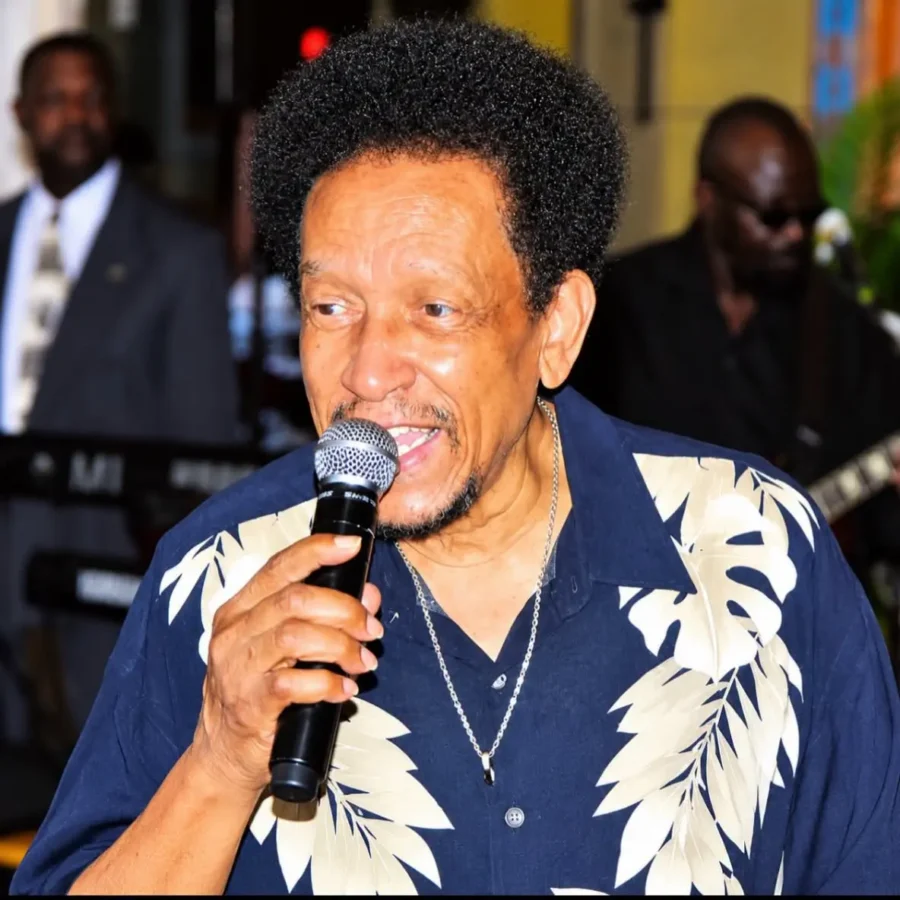
Jamaican singer, songwriter, record producer and music entrepreneur Derrick Harriott, whose contributions helped shape the development of ska, rocksteady and reggae, died at his home in St Andrew on Saturday, October 24, aged 87.
Harriott is survived by his 97-year-old sister, Loy Shegog, eight children, grandchildren and great-grandchildren, according to The Jamaica Observer.
His death was confirmed by Dorrel Mattocks, operator of the Derrick Harriott Music Store at Twin Gates Plaza in St Andrew, who told The Jamaica Gleaner that the veteran musician had been ill and in and out of hospital before returning home shortly before his death.
Harriott was born in Kingston on February 6, 1939, and attended Excelsior High School. He began his musical career in the late 1950s as a member of the vocal group The Jiving Juniors, which gained recognition with recordings including Lollipop Girl and Over the River.
He subsequently established a successful solo career, becoming known for songs such as The Loser, Walk the Streets, Solomon, What Can I Do and Checkin’ Out. His distinctive tenor and powerful falsetto helped distinguish his recordings across successive eras of Jamaican popular music.
However, Harriott’s influence extended well beyond his performances. He became an important producer and music entrepreneur, launching his Crystal record label in 1962 and helping develop the careers of several Jamaican artistes.
Through his production work, Harriott contributed to the musical development of performers and groups including Dennis Brown, Big Youth, Keith & Tex, The Kingstonians and The Ethiopians.
His production of Dennis Brown’s Lips of Wine, released in 1968, marked an important early milestone in the career of the singer who would later become known internationally as the “Crown Prince of Reggae”.
Harriott also operated the Chariot record store at Twin Gates Plaza for decades. The business became a gathering point for music enthusiasts seeking vinyl records and recordings, while also serving as an outlet for dances, shows and other entertainment.
His contribution to Jamaican music was recognised in 2009 when he received the Order of Distinction from the Jamaican government. In 2019, he was presented with the Jamaica Reggae Industry Association’s Lifetime Achievement Award.
Following news of his death, Opposition Spokesperson on Culture, Creative Industries and Information Nekeisha Burchell paid tribute to Harriott, describing him as one of the architects of Jamaica’s musical legacy.
Burchell said his contribution went beyond his own recordings to include the opportunities he created for other artistes and his role in developing the country’s music industry.
“Jamaica has lost a remarkable cultural pioneer, but the music he made, the artistes he nurtured and the doors he opened will remain part of our national inheritance,” she said, according to The Jamaica Observer.
Harriott’s death comes during a year of losses for Jamaica’s entertainment industry, following the deaths of several other prominent musicians, including drummer Sly Dunbar, guitarist Stephen “Cat” Coore, singer Stranger Cole, guitarist Rupert Bent II and bassist Jackie Jackson.
His career spanned several decades of transformation in Jamaican music, from the early ska era through rocksteady and reggae. His recordings, production work and support for emerging talent helped preserve and advance a musical tradition that has reached audiences around the world.