Herbal supplement is used for respiratory infections, but evidence of its effectiveness remains mixed
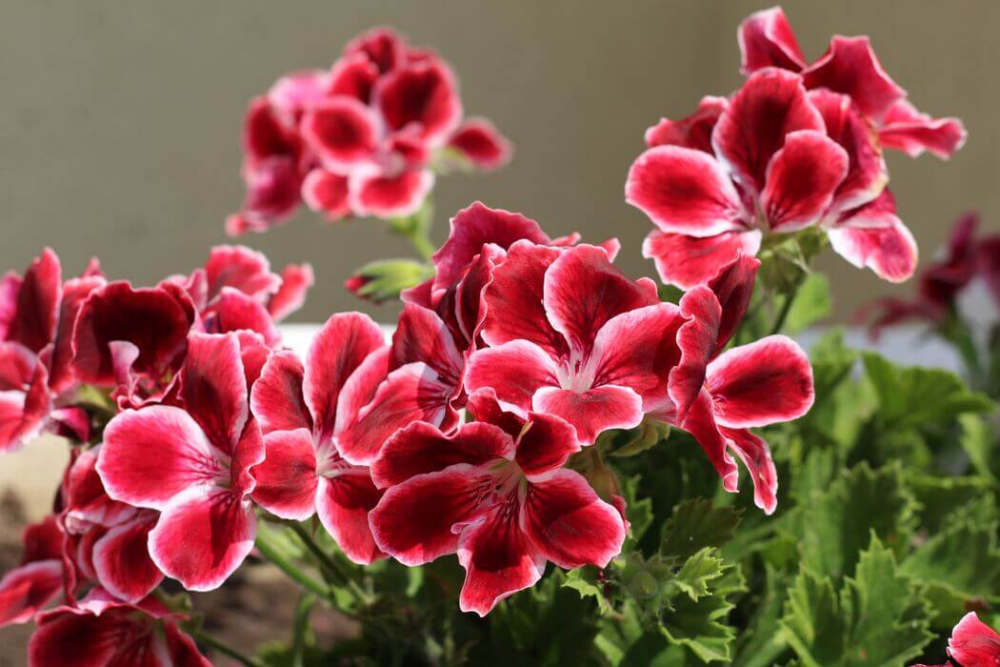
Pelargonium sidoides, a medicinal plant native to Southern Africa, is used in herbal supplements intended to relieve symptoms of respiratory tract infections, including the common cold, acute bronchitis and sinusitis.
Available over the counter as liquid extracts, tablets and syrups, the supplement is derived primarily from the plant’s roots. While some research suggests it may help relieve certain respiratory symptoms, evidence of its effectiveness remains mixed.
According to health information published by WebMD, consumers should understand the supplement’s potential benefits, side effects and precautions before using it.
Potential Uses and Benefits
Pelargonium sidoides, also known as South African geranium or Umckaloabo, is used primarily for respiratory tract infections. Some preparations contain a standardized root extract known as EPs 7630.
Research suggests the supplement may help relieve symptoms of acute bronchitis in some people, although other studies have found no clear evidence of benefit.
People also take it for sinusitis, the common cold, sore throat, coughing, runny or stuffy noses, and general immune support. However, the effectiveness of these uses has not been firmly established.
Many respiratory infections are caused by viruses, against which antibiotics are ineffective. People should seek medical advice if symptoms persist for more than about a week, worsen, or occur alongside an underlying health condition. The supplement should not replace appropriate medical evaluation or treatment.
How Does Pelargonium sidoides Work?
The plant’s roots contain natural compounds, including benzopyranones, prodelphinidins and coumarins such as umckalin. Researchers believe these substances may contribute to the supplement’s biological effects.
Pelargonium sidoides may influence the immune response, potentially helping the body defend itself against infectious organisms. Research also suggests its compounds could interfere with the ability of certain germs to attach to cells.
Additionally, the extract may help loosen mucus and support the movement of cilia, tiny hair-like structures lining the respiratory tract that help clear mucus and trapped particles.
Although the plant has demonstrated some antibacterial activity in research, its direct effects against bacteria appear limited. These proposed mechanisms do not establish that the supplement will effectively treat an infection, and the chemical composition of herbal products can vary.
Possible Side Effects
The most commonly reported side effects include stomach pain or discomfort, nausea and diarrhea. Their likelihood and severity may depend on the product and amount taken.
More serious concerns include allergic reactions and possible liver problems.
Severe allergic reactions: Warning signs include difficulty breathing, swelling of the face or throat, difficulty swallowing, hives, dizziness or fainting. Anyone experiencing these symptoms should stop taking the supplement and seek emergency medical attention.
Possible liver problems: Liver complications have been reported in people using Pelargonium sidoides, although a direct causal relationship has not been established. Warning signs include unusual tiredness, nausea, vomiting, abdominal pain, loss of appetite, itching, dark urine, pale stools, fever or yellowing of the skin or eyes. Anyone developing these symptoms should seek prompt medical evaluation and inform the healthcare provider about supplement use.
Who Should Avoid the Supplement?
People allergic to Pelargonium sidoides, South African geranium, Umckaloabo or any ingredient in a particular product should avoid it. Consumers should check product labels and consult a pharmacist if they are uncertain about the ingredients.
Those with existing medical conditions or taking medications should consult a healthcare professional before use. Pregnant or breastfeeding individuals should also seek professional advice because safety in these circumstances should not be assumed.
Safe Use and Storage
Consumers should follow the instructions on the product label or the recommendations of a qualified healthcare provider. Different preparations may contain varying concentrations and ingredients, so dosage instructions should not be assumed to be interchangeable.
The supplement should be stored according to the manufacturer’s instructions, generally in a cool, dry place away from direct sunlight and out of the reach of children and pets.
In the United States, the Food and Drug Administration (FDA) does not approve dietary supplements for safety and effectiveness in the same manner as prescription medicines before they are marketed.
Conclusion
Pelargonium sidoides is a Southern African herbal supplement used to relieve symptoms associated with respiratory tract infections. Although some research indicates potential benefits, particularly for acute bronchitis symptoms, the overall evidence remains mixed.
Consumers should consider the uncertain benefits and potential side effects before deciding whether to use the supplement.
For further information on Pelargonium sidoides, including its uses, side effects and precautions, readers are invited to visit WebMD. Additional guidance on supplement safety and regulation is available from the U.S. Food and Drug Administration.