Intimidation, disrespect and toxic workplace relationships have become sufficiently entrenched in some Guyanese workplaces that the Government is now calling for a fundamental change in how supervisors and employees treat one another.
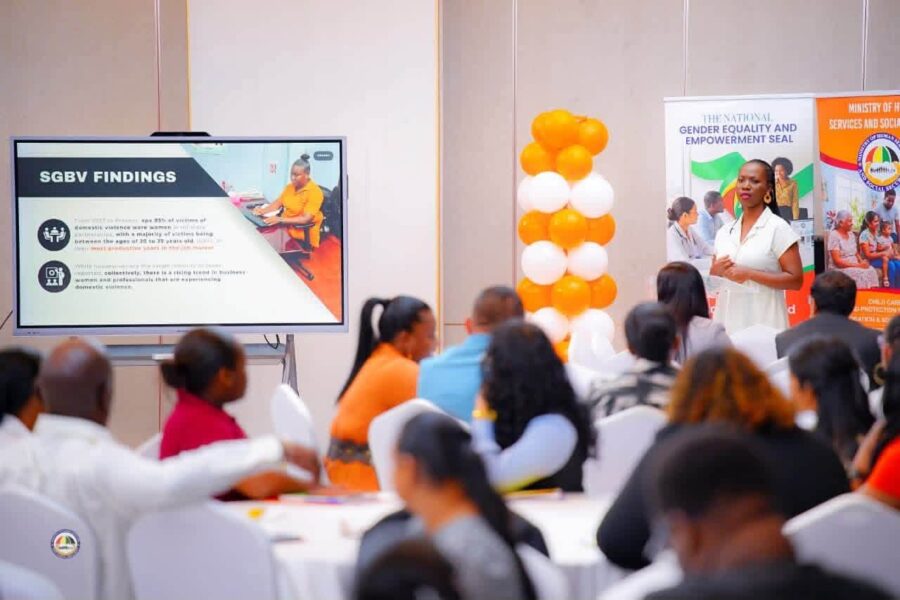
Public Service Minister Dr Zulfikar Ally made the call on September 25 as the Ministries of Public Service and Human Services launched a Gender Equality in the Workplace initiative, alongside a Prevention of Sexual Exploitation, Abuse and Harassment (PSEAH) training programme.
Ally said workplace violence cannot be reduced to physical attacks, warning that intimidation and the way workers are made to feel can also constitute harmful conduct.
“We can’t have that in the public service.”
The Minister said some workers experience shouting, intimidation and other forms of behaviour from supervisors and colleagues that have become normalised.
The initiative comes as Guyana’s public service is undergoing wider reforms, including efforts to modernise performance appraisal and promotion systems. The government says digital upgrades are being pursued partly to reduce the potential for favouritism and fear in decisions affecting employees.
The Gender Equality in the Workplace Seal is intended to provide organisations with a framework for creating workplaces that are safe, inclusive and free from harassment. The PSEAH programme is designed to train employees and managers to recognise, prevent and report sexual exploitation, abuse and harassment.
Human Services Minister Dr Vindhya Persaud also warned against allowing workplace problems to be buried under bureaucratic excuses.
“I don’t know if I’m being too harsh, but I prefer to be plain spoken because if we don’t speak about these things, and we slide them under the carpet, they will never be solved.”
The issue extends beyond gender equality. Guyana is also reviewing its occupational safety and health framework as the economy expands into new industries and technologies.
Labour Minister Keoma Griffith recently said existing legislation must evolve to address risks that were not contemplated when the current framework was established. The government is working with the International Labour Organization on the review and plans to develop specific occupational safety and health regulations for the oil and gas sector.
The challenge now is whether the new initiatives will translate into meaningful protection for workers who face intimidation, harassment or discriminatory treatment.
Launching programmes is one step. Ensuring workers can report abuse without fear of retaliation, and that complaints produce consequences where wrongdoing is established, will be the more consequential test.