Oil is liquid gold. It cannot inherently be a curse, but secrecy, greed, exclusion and mismanagement can make it one.
Guyana’s unprecedented oil wealth brings unprecedented responsibility. Yet while the national treasury expands, deep political, ethnic and social divisions persist. Public accusations abound that politically connected “Big Boys” are carting off disproportionate benefits, while ordinary Guyanese continue to endure blackouts, contaminated water, high food and fuel prices, inadequate public services and countless other unconscionable deprivations.
A fair share must be reflected in people’s daily lives: reliable electricity, safe drinking water, affordable necessities, living wages, proper healthcare, quality education, housing, infrastructure and meaningful opportunities in every region, especially after ExxonMobil carts off its giant share.
In fact, Article 13 of the Constitution mandates this: “The principal objective of the political system of the State is to establish an inclusionary democracy by providing increasing opportunities for the participation of citizens, and their organizations, in the management and decision-making processes of the State.”
That is a constitutional command-not decorative language. Citizens and their organizations must have a meaningful voice before decisions are made, contracts signed and billions spent. They must be represented at the decision-making table, not merely informed afterwards, or just ignored.
Guyana’s unprecedented natural-resource wealth belongs to the entire nation. It cannot become the exclusive preserve of whichever party controls the Executive or commands a parliamentary majority. An electoral victory confers authority to govern, but does not confer ownership of the Treasury or a blank cheque to govern without restraint, or pillage unconscionably.
Winner-takes-all politics becomes especially dangerous when billions of dollars and the welfare of future generations are at stake. The greater the wealth, the stronger the safeguards required: transparency, accountability, equitable distribution, public participation and national consensus.
Parliament should therefore debate constitutional and legislative reforms requiring two-thirds approval of the National Appropriation Bill, with carefully designed continuity provisions to prevent governmental paralysis. Such a safeguard would compel negotiation, strengthen scrutiny and make unilateral control of the national purse more difficult. The national budget must reflect national priorities, not merely those of the governing party.
Local democracy must also be given practical meaning. Articles 75 and 77 contemplate autonomous local democratic organs with adequate resources to implement their development programs. Autonomy without funding is fiction. Municipalities, towns, villages and regions need reliable financing and genuine authority, not perpetual dependence upon the political discretion of central government.
Organized labour must likewise have a meaningful voice. Guyana’s two national trade-union federations should be fairly represented on appropriate public bodies dealing with labour, economic development and national wealth, including the Natural Resource Fund and any national development bank. Workers cannot drive the economy while remaining spectators to decisions about wages, employment, investment and their families’ futures.
The same principles must govern major decisions involving petroleum revenues, foreign investment, foreign labour, immigration and the acceptance of deportees. These matters directly affect employment, housing, security, social services and community life. They require disclosure, parliamentary scrutiny and meaningful public consultation, not secretive executive arrangements.
The people must demand require broader parliamentary approval and scrutiny of national spending, guarantee financial and administrative autonomy for local democratic organs, ensure fair representation for organized labour and civil society on relevant State bodies and establish enforceable mechanisms for citizens to participate in decisions affecting their lives.
These reforms must transcend partisan advantage and bind every administration, including any present Opposition that later forms the Government. The opportunity is narrowing, and hollowing. If Guyana waits until its resources are exhausted, it may discover that national wealth has neither increased, while democratic institutions, public confidence and national unity have collapsed. And only “cus cus” (coconut husk), will remain, while the cabal fly and sail away in their private yachts and planes!
Guyana does not have to create an oil curse of our own making, through unbridled greed, secrecy, political domination and the exclusion of its own people-nor through convenient excuses. Parliament must now give Article 13 meaning , so that ALL Guyanese can receive their fair, and entitled, share.
The oil is not the curse. The curse would be allowing a privileged few to control what belongs to all.
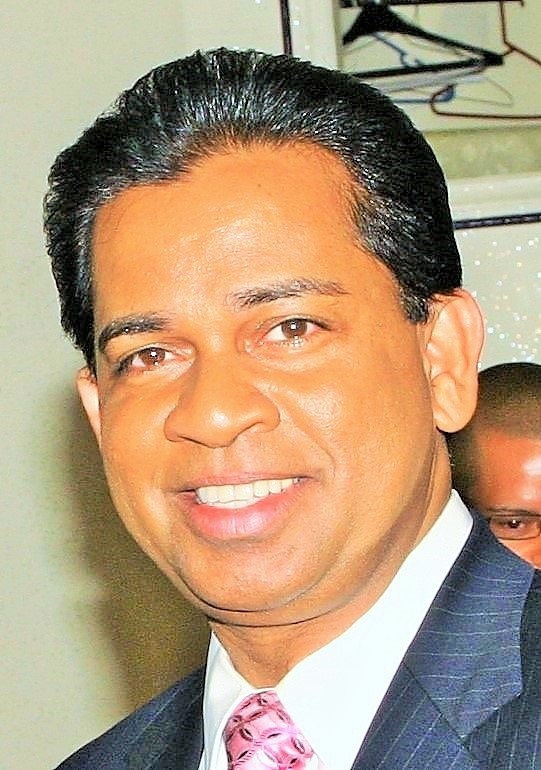
Hon. Albert Baldeo
Community Leader and Judicial Delegate, “Little Guyana,” Queens, New York
Fmr. Magistrate, Senior State Counsel, Police Legal Advisor, Guyana