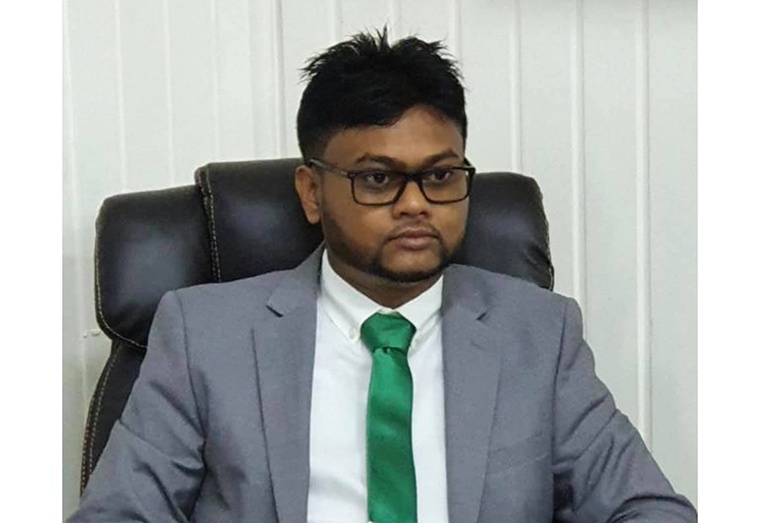
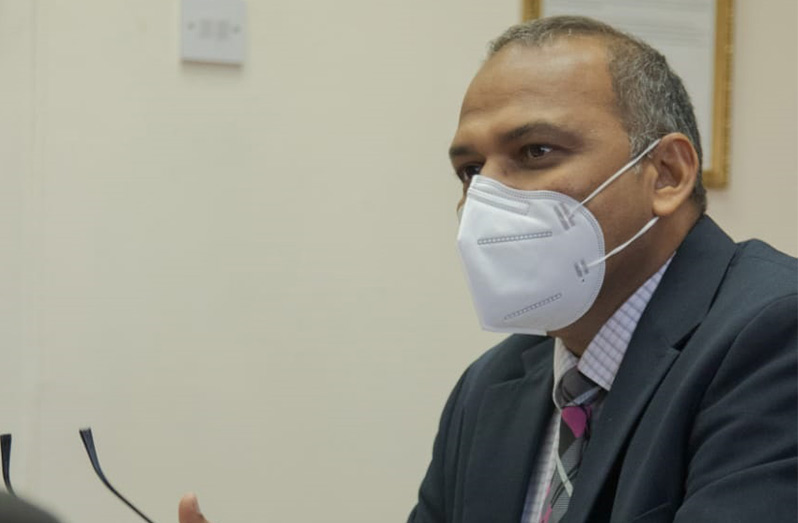
Former Georgetown Mayor Pt. Ubraj Narine is calling on the Government to move beyond ceremonial recognition of Indigenous peoples and establish a programme that would place tourism assets and economic opportunities directly in the hands of Amerindian communities.
In a commentary published Wednesday in the Satya column during Amerindian Heritage Month, Narine proposed the creation of an Indigenous Tourism Ownership Programme through which Indigenous communities would own and operate tourism enterprises in their villages.
Narine said Guyana’s forests, rivers, wildlife and Indigenous cultures provide the foundation for a potentially significant sustainable tourism industry, but argued that communities where many of these attractions are located do not always receive the greatest economic benefits.
“Amerindian Heritage Month should not be reduced to a period when politicians visit Indigenous communities, deliver speeches, celebrate their culture and make promises.”
“It must be a time when the country asks a fundamental question: What tangible economic opportunities are being created to place Indigenous people in control of their own future?”
Under his proposal, Government would provide initial capital financing, technical assistance, training and business support while village councils or communities retain ownership of the enterprises.
Potential businesses could include eco-lodges and guest houses, tour boats, river excursions, wildlife and birdwatching operations, craft and cultural shops, fishing and angling tours, forest excursions, culinary tourism, community transportation, camping and adventure-tourism facilities.
Narine said the communities themselves should determine which enterprises best suit their environment, resources and aspirations.
“Nobody in Georgetown should be deciding from an office what an Indigenous community needs or what kind of enterprise can succeed in that community.”
He proposed an Indigenous Tourism Development Fund that would provide grants or low-interest financing for viable community-owned projects.
The former mayor said Government assistance should facilitate Indigenous ownership rather than create Government-controlled enterprises.
“Our Indigenous brothers and sisters should not always be treated as beneficiaries of Government programmes. They should be owners, entrepreneurs, employers and investors in their own communities.”
Narine envisioned villages owning the properties and boats used for tourism, employing local guides, producing and selling crafts, providing food and conducting cultural experiences. Revenues, he said, could then be reinvested in education, healthcare, infrastructure, youth programmes and further economic development.
He also called for training Indigenous entrepreneurs in hospitality, accounting, marketing, digital commerce, tour management, environmental conservation and customer service. Government, he said, could help communities access international tourism markets and establish partnerships with airlines, hotels, travel agencies and online booking platforms.
Narine stressed that Indigenous communities must be involved in designing any development initiative affecting them.
“Development cannot be imposed from Georgetown. It must be built in partnership with the communities themselves.”
His proposal comes as Guyana continues developing its tourism industry around its natural environment, wildlife and Indigenous cultural experiences, particularly in the hinterland.
Narine also cautioned against Indigenous communities being used primarily for political symbolism.
“Our Indigenous people must not become political decorations.”
He argued that Indigenous communities should receive sustained attention throughout the year rather than during elections, political rallies or Heritage Month.
Narine said Indigenous communities need measurable improvements in employment, infrastructure, education, healthcare, transportation and connectivity, as well as opportunities for young people to build sustainable livelihoods without leaving their communities.
He urged President Irfaan Ali and the PPP Government to use Amerindian Heritage Month as an opportunity to establish a new policy focused on Indigenous economic ownership.
“Amerindian Heritage Month should not end with another speech. It should begin with a programme, a budget, a timeline and measurable results.”
Narine said Indigenous peoples have contributed to Guyana’s history and national identity since long before the modern state was established and should therefore have a greater role in determining the economic future of their communities.
“When tourists travel into Guyana’s hinterland, the Indigenous communities whose lands, rivers, forests and cultures make the experience possible must be among the principal owners and beneficiaries of that tourism economy.”
He concluded:
“Amerindian Heritage Month must be about more than remembering our First Peoples. It must be about empowering them and not to subject them.”