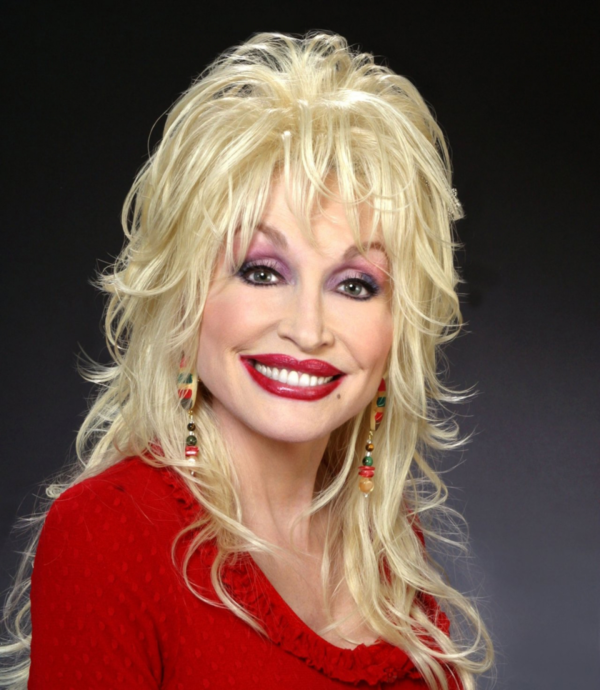
Dolly Parton, the country music legend whose career stretched across six decades and transformed her from a poor Tennessee girl into one of the world’s most recognisable entertainers and philanthropists, has died at 80.
Parton died Tuesday, August 25, 2026, at Vanderbilt-Ingram Cancer Center in Nashville after a brief battle with cancer, according to a statement from her representatives. She was surrounded by family and loved ones. Her representatives did not disclose the type of cancer.
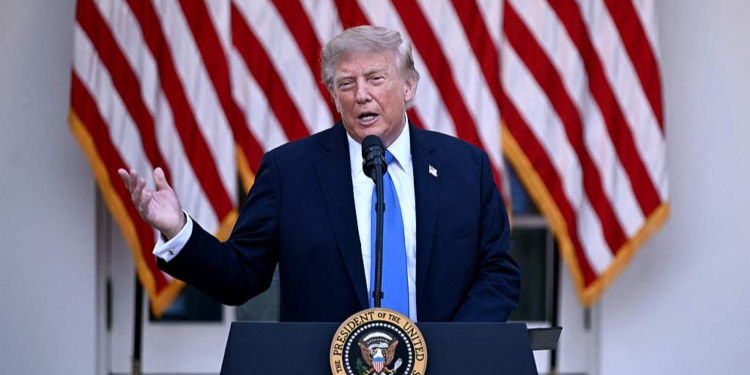
Her death prompted an extraordinary national tribute. President Donald Trump ordered the American flag to be flown at half-staff at the White House, federal buildings, military installations and other federal facilities across the United States and its territories until sunset on September 1. The order also applies to U.S. embassies, consulates and military facilities abroad.
Trump described Parton’s death as a significant loss and said there had never been anyone like her.
Parton’s journey began in rural Tennessee, where she was born in 1946 into a large family that lived in poverty. She was one of 12 children and grew up in a small home in the Great Smoky Mountains. Music became her way forward.
She began writing songs as a child and performed publicly while still young. After graduating from high school, she moved to Nashville and pursued a career that would eventually make her one of the most successful women in music.
Parton recorded more than 100 million records and became known for songs including “Jolene,” “9 to 5,” “Coat of Many Colours” and “I Will Always Love You.” She received 11 Grammy Awards, including a Lifetime Achievement Award, and was inducted into both the Songwriters Hall of Fame and the Rock & Roll Hall of Fame.
Her songwriting reached audiences far beyond country music. Whitney Houston’s recording of “I Will Always Love You” became a worldwide hit and introduced Parton’s work to a new generation. But her career extended well beyond music.
Parton became a successful actress and appeared in films including 9 to 5, The Best Little Whorehouse in Texas and Steel Magnolias. She also founded Dollywood, the Tennessee theme park that became a major tourist attraction and employer in her home region.
Her philanthropic work became equally important to her legacy.
Through the Dollywood Foundation, Parton established the Imagination Library, a programme that provides free books to children. The programme has distributed hundreds of millions of books to children in communities around the world.
She also contributed to medical research. In 2020, Parton donated $1 million to Vanderbilt University Medical Center, helping support research that contributed to development of the Moderna COVID-19 vaccine.
Parton’s public image was distinctive, but behind the elaborate costumes and famous blonde hair was a woman who remained closely connected to her upbringing.
She frequently spoke about growing up poor and drew inspiration from her family and Appalachian roots. Rather than distancing herself from that past, she incorporated it into her music, business and charitable work. Her career also crossed political and cultural boundaries.
Parton generally avoided partisan political battles and maintained relationships with people across the political spectrum. Her death has consequently produced tributes from across American public life, entertainment and music.
The decision to lower the national flag for her reflects the extraordinary place she occupied in American culture.
Parton was not a president, soldier or elected official. She was a songwriter and entertainer who built an enormous career while using her success to support education, literacy, medical research and communities.
Her death marks the end of one of the most remarkable careers in American popular culture. From a poor child in Tennessee to an internationally recognised entertainer, Parton’s life was defined by persistence, talent and an ability to turn personal success into opportunities for others.
The songs remain. So does the legacy. And for a country that has now lowered its flag in her memory, Dolly Parton’s life stands as a reminder of the extraordinary distance one person can travel—and of the difference she can make along the way.