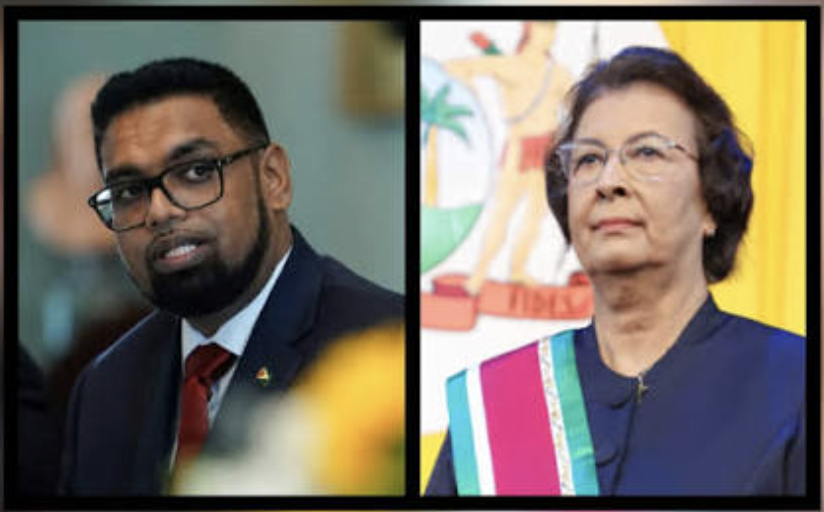
The Government of Guyana wants citizens to accept, without question, its latest version of events regarding the Corentyne River Bridge controversy. Foreign Minister Hugh Todd says Guyana was never informed that Suriname intended to solely finance the bridge. Suriname says President Irfaan Ali was informed during a bilateral meeting in May.
Two sovereign states. Two completely different stories.
And here is the uncomfortable truth: many Guyanese instinctively believe Suriname.
Not because we are unpatriotic. Not because we wish ill upon our country. We believe Suriname because our own government has spent years eroding its credibility through a relentless pattern of half-truths, contradictions, secrecy and outright falsehoods.
Trust is not a gift citizens owe governments. Trust is earned.
This administration has repeatedly asked the public to accept explanations that later unravel under scrutiny. It has assured citizens that major projects were proceeding smoothly only for delays, cost overruns and unanswered questions to emerge. It has promised transparency while withholding information. It has spoken of consultation while governing through announcements and press releases.
The Wales Gas-to-Energy project is perhaps the most glaring example. Promises of completion dates have shifted repeatedly. Costs have ballooned. Questions remain unanswered. Yet citizens are expected to simply believe.
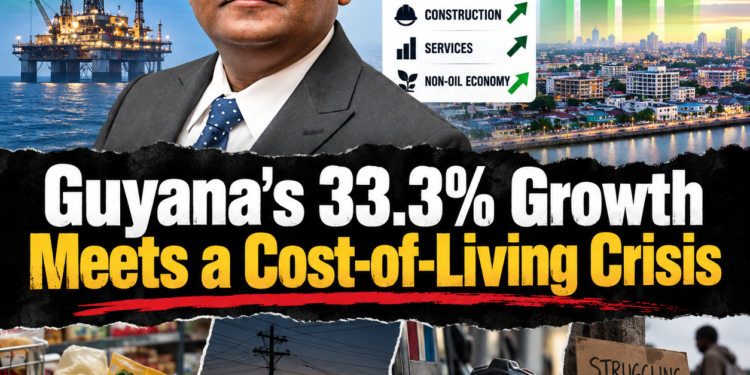
Then there is the cost-of-living crisis. Citizens are told the economy is booming while ordinary families struggle to afford groceries, transportation and rent. They are told prosperity is everywhere while many cannot see it in their own bank accounts.
They are told government spending is prudent while lavish celebrations, ceremonies and public relations campaigns continue unabated.
They are told corruption is being addressed while allegations continue to swirl around public procurement and major contracts.
Over time, these contradictions create something dangerous: a credibility deficit.
A government that is not truthful in small matters should not be surprised when citizens question it in larger ones.
This is why the Suriname bridge controversy matters far beyond a diplomatic disagreement.
The issue is not whether Suriname or Guyana is ultimately correct. The issue is that many Guyanese immediately concluded that their own government must be the one being less than candid.
That should terrify every public official in this country.
A government that loses the confidence of its people loses one of its most valuable assets. Once credibility is destroyed, every statement becomes suspect, every explanation becomes questionable, and every denial is met with skepticism.
The administration’s response appears to be outrage that Suriname made its claims publicly.
But perhaps the government should instead ask a more uncomfortable question:
Why do so many Guyanese believe Suriname over us?
The answer is simple.
Because credibility is cumulative. Lies accumulate. Contradictions accumulate. Broken promises accumulate.
Eventually, the public begins to assume that the official version of events is merely another exercise in political storytelling.
The irony is painful. Guyana has never been wealthier. It has never had more resources at its disposal. Yet public trust in institutions appears increasingly fragile.
Oil wealth can build roads, bridges and hotels. It cannot purchase credibility.
Credibility must be earned through honesty, transparency and consistency.
If Suriname is wrong, then let the Government of Guyana produce the records, minutes, correspondence and evidence that clearly establish its position.
But demanding that citizens simply believe another official statement, without question, is no longer enough.
The government has cried wolf too many times.
Today, many Guyanese believe Suriname because they no longer believe their own leaders.
That is not an indictment of the people.
It is an indictment of the government that taught them to doubt.