Several former opposition figures who once fiercely criticised the People’s Progressive Party/Civic (PPP/C) are now seeking political association with the governing party, praising the same administration they previously accused of poor governance, exclusion, and economic mismanagement while serving under the A Partnership for National Unity and Alliance For Change (APNU+AFC) coalition.
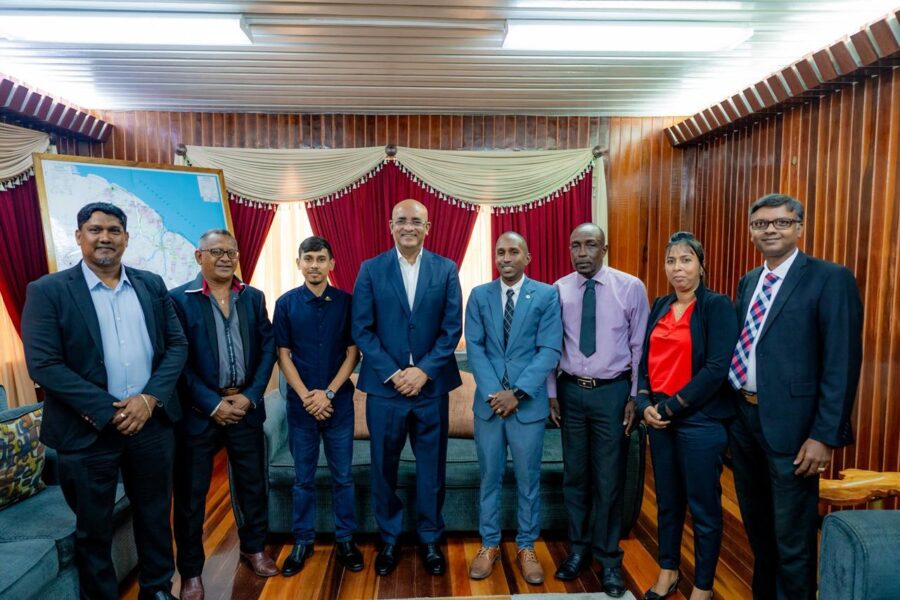
In a statement issued on May 12, the PPP confirmed that its General Secretary, Bharrat Jagdeo, met with former Members of Parliament Rickly Ramsaroop, Shurwayne Holder and Dinesh Jaiprashad, along with Regional Democratic Councillors Ravoldo Birbal, Sheik Yaseen, Prince Holder and Gangadai Lloyd.
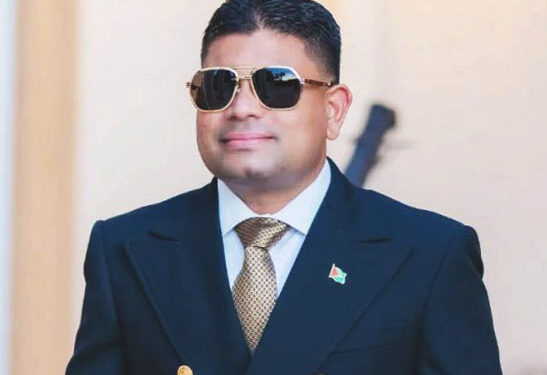
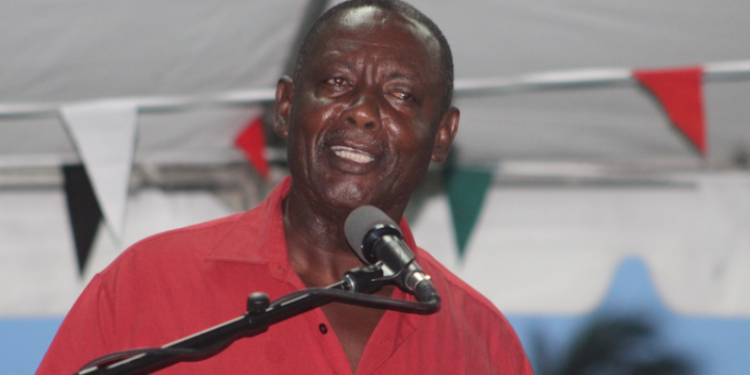
Ramsaroop, Holder and Jaiprashad served as parliamentarians in the 12th Parliament under the APNU+AFC coalition, during a period when opposition attacks on the PPP frequently centred on allegations of corruption, discrimination, poor management of oil wealth, and lack of inclusivity.
Now, however, those same figures are publicly commending the PPP for what they describe as effective governance and national development.
Importantly, the PPP statement stressed that the meeting took place “at their request,” a point Jagdeo appeared careful to emphasise amid increasing public debate over the growing number of opposition defections. By highlighting that the former APNU figures initiated the engagement, Jagdeo appeared intent on distancing the PPP from suggestions that it was actively recruiting opposition members to weaken APNU from within.
The wording also shifts attention to the motivations of the defectors themselves, particularly given that several of the individuals had, until recently, publicly condemned many of the same policies and governance approaches they now praise.
According to the PPP statement, the group “expressed to the General Secretary a desire to be associated with the People’s Progressive Party and to contribute meaningfully to Guyana’s ongoing development, while serving the interests of the Guyanese people, as the country advances along an unprecedented path of economic growth and modernisation.”
The group further praised the PPP’s “stewardship of the economy, inclusive approach to governance, and the scale of transformation taking place across the country.” They also stated that the party had demonstrated “the leadership, capacity and technical expertise required to effectively manage the country, sustain growth, and improve the welfare of every Guyanese, regardless of race, religion, or any other differentiating factor.”
Those endorsements stand in sharp contrast to years of opposition rhetoric in which several of the same individuals accused the PPP of failing ordinary Guyanese and presiding over unequal development despite the country’s oil boom.
Some of the individuals now embracing the PPP were also among the more vocal defenders of APNU leader Aubrey Norton during internal party disputes, publicly attacking, insulting, and in some cases politically humiliating party members and supporters who dared to criticise Norton’s leadership or question the direction of the opposition.
Their sudden political migration has therefore sparked wider discussion about loyalty and political culture within Guyana’s parties. To some observers, the shift reflects not merely ideological flexibility but a pattern in which political allegiance is tied less to enduring principles and more to proximity to influence, opportunity, and relevance within the prevailing power structure.
The statement added that the former APNU members described the PPP as welcoming and contrasted the political atmosphere with their previous experiences. They reportedly acknowledged that the PPP manifesto outlined plans “that have been, and continue to be, vigorously pursued, resulting in tangible improvements in the lives of Guyanese and communities across the country.”
Among the current councillors now aligned with the PPP is Prince Holder, the father of former APNU parliamentarian Shurwayne Holder, adding a family dimension to the latest political crossover.
Meanwhile, Norton has publicly called on the sitting APNU councillors involved in the meeting to resign their seats, arguing that they were elected on the support of APNU voters and no longer morally represent the party’s constituency.
However, Norton’s appeal appears grounded more in political ethics than in any clearly identified legal process. Beyond calling for their resignation, the opposition has not publicly outlined how it intends to compel councillors from office should they refuse to step aside.
The defections come at a time when APNU and the People’s National Congress Reform (PNCR) continue facing internal tensions, declining morale, and growing concerns over the coalition’s political direction following recent electoral setbacks.
While Jagdeo reiterated that the PPP “is a Party of inclusion that works for all Guyanese,” the growing stream of opposition crossovers is also likely to intensify concerns about whether Guyana’s political culture is increasingly being shaped less by ideological conviction and more by proximity to political power and state influence.