By Mark DaCosta- In our nation, the urgency to address the looming healthcare crisis surrounding strokes is more critical than ever. Stroke care in Guyana, often overshadowed by other health concerns, deserves focused attention and robust action. This article delves into the nuances and urgent realities of stroke management, highlighting the need for enhanced resources and awareness in our healthcare system. Stroke is one of the leading causes of death in Guyana. According to World Health Organisation (WHO)–based data, stroke accounted for a significant share of deaths in Guyana (e.g., around 14 % of total deaths in some reports), showing it’s a major health issue
This article is based on the analysis by a neurological expert also called a brain specialist.
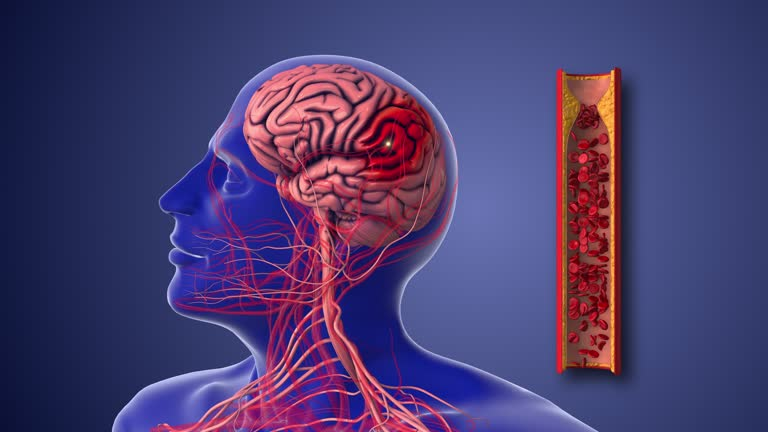
A stroke, commonly termed a “brain attack,” occurs when the blood supply to the brain is disrupted, preventing vital oxygen and nutrients from reaching brain cells. The consequences of such an event can be catastrophic, leading to significant disability or death within moments. In our country, the understanding and response to strokes remain alarmingly insufficient, exacerbated by systemic healthcare challenges and a lack of timely interventions.
The urgency of understanding stroke types cannot be overstated. Dr. A. Persaud, a prominent neurological consultant, notes, “The treatments for ischemic and hemorrhagic strokes are diametrically opposite. If you treat a bleeding stroke with clot-busters, you will likely kill the patient. Conversely, failing to break a clot in an ischemic stroke will lead to permanent disability.” This stark contrast underscores the necessity for accurate diagnosis prior to any treatment.
Ischemic strokes, which represent approximately 85 percent of cases, occur when blood clots obstruct arteries leading to the brain, often resulting from conditions like atherosclerosis or atrial fibrillation. During the critical initial hours, timely access to treatments like tissue plasminogen activator (tPA) can vastly improve recovery outcomes. A mechanical thrombectomy may also be employed to physically remove blockages, yet the success of these interventions is directly tied to how swiftly patients receive care.
In contrast, hemorrhagic strokes, while less common, can prove deadlier as they involve ruptured blood vessels causing internal bleeding in the brain. Dr. Persaud highlights, “Stopping the bleeding and reducing pressure on the brain are critical interventions. Surgical options may be necessary, and immediate attention is imperative.” Unfortunately, our nation’s healthcare infrastructure struggles to keep pace with such urgent demands, leaving many at risk.
Recognising the symptoms of strokes can be lifesaving. Neurological experts endorse the F.A.S.T. acronym: Face drooping, Arm weakness, Speech difficulties, and Time to call emergency services. Each of these indicators must not be overlooked, as “time lost is brain lost.” However, in our healthcare landscape, the immediate recognition of these symptoms often falters due to inadequate public awareness campaigns and educational initiatives.
Diagnostic capabilities play a pivotal role in effective stroke management. The gold standard, a CT scan, rapidly assists in determining the type of stroke, yet access to such imaging can be sporadic across our hospitals. Dr. Persaud is clear: “Without it, we are treating blind.” In the face of rising stroke prevalence, especially with a burgeoning elderly population, the urgency for improved diagnostic resources within our healthcare system cannot be emphasised enough.
Globally, stroke is a leading cause of death and long-term disability, a trend mirrored in our country. On World Heart Day 2025, Dr. Frank Anthony, our Minister of Health, reiterated that cardiovascular diseases account for a significant portion of fatalities, with strokes firmly positioned among the leading causes of mortality. Yet, beyond mere statistics lies a sobering reality: millions in Guyana are living at risk due to conditions such as hypertension, diabetes, and cardiovascular disease, exacerbated by lifestyle factors including obesity and smoking.
Hypertension remains the foremost culprit behind strokes, putting immense strain on blood vessels. Diabetes further complicates matters, causing damage that predisposes individuals to vascular issues. Furthermore, our nation grapples with lifestyle-related problems, where lack of physical activity and unhealthy dietary choices compound the risk of strokes. A multi-faceted approach addressing these pre-existing conditions is crucial if we are to reduce the stroke burden in Guyana.
While advances in emergency response strategies have led to improvements in mortality rates, the reality remains that the burden of disability following a stroke is substantial. Dr. Persaud asserts, “Rehabilitation is just as critical as the initial emergency treatment.” Long recovery times often require a multidisciplinary approach to optimise patient outcomes, yet our healthcare system’s capacity to provide such comprehensive support is hindered by systemic issues.
As we look to the future, it is clear that enhanced access to CT and MRI scans across regional facilities is paramount. The establishment of specialised stroke units can drastically improve patient outcomes by streamlining care protocols and reducing wait times for necessary diagnostics. However, without the political will and funding necessary to realise these improvements, the spectre of stroke will continue to loom over our nation.
The current administration’s approach to healthcare reform has left much to be desired, with a lack of prioritisation towards life-altering conditions such as strokes. The emphasis on routine healthcare politics must evolve to tackle acute emergencies with the urgency they deserve. The need for investment in our healthcare system is undeniable and it is incumbent upon our leaders to recognise that better stroke care not only saves lives but enhances the quality of life for countless individuals.
Addressing the stroke care crisis in our country requires more than just acknowledgement; it demands immediate and strategic action. As a nation, we must advocate for enhanced resource allocation, public education, and comprehensive healthcare reforms to ensure that we are prepared to face this silent crisis head-on. The health of our nation depends on it.