By Mark DaCosta- The 2026 National Budget debate officially began on Monday, and opposition parties in Parliament immediately raised sharp concerns about the disconnect between the government’s massive GYD$1.558 trillion budget and the everyday struggles of ordinary citizens. While the governing People’s Progressive Party (PPP) administration promotes its plan as a Budget ‘Putting People First’, critics are questioning whether the allocations genuinely address public needs, particularly amid fluctuating oil revenues and rising costs of living.
The core of the opposition’s argument lies in the assertion that the colossal budget for 2026 hardly translates to tangible benefits for the populace. In his inaugural speech in Parliament, Dr. Andre Lewis, a prominent member of the opposition party We Invest in Nationhood (WIN), pointed out the glaring absence of provisions that directly address the needs of ordinary Guyanese. He stated, “A budget that truly puts people first ensures no community is left behind, regardless of geography,” highlighting that many regions, particularly on the densely populated coast and in the nation’s interior, face an uphill battle against rising living costs and insufficient services. With oil revenues projected to dwindle, there exists an alarming lack of a contingency plan should these income streams dry up.
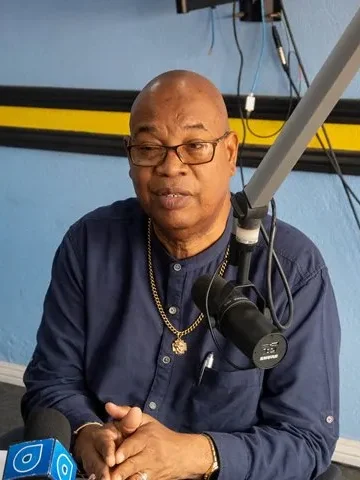
In contrast, Minister of Public Works Juan Edghill defended the budget, calling Dr. Lewis’s criticisms unfounded. Edghill emphasised that only GYD$495 billion of the budget comes from oil revenues and that government allocations are structured to support socio-economic uplift across multiple sectors. He asserted, “This is a well-thought-out, people-oriented, pro-poor, service-oriented, development-focused budget,” highlighting funding for education, health, agriculture, and infrastructure.
Despite these assurances, the opposition continued to challenge the adequacy of the measures. Vinceroy Jordan from A Partnership for National Unity (APNU) added that modest increases in public sector wages and pensions fail to offset the surging cost of living. Jordan encapsulated the opposition’s sentiment, stating that the increases “cannot be putting people first,” signalling a persistent dissatisfaction with the government’s approach to tackling economic hardships.
The critique extended to state enterprises such as the Guyana Sugar Corporation (GuySuCo), with opposition members highlighting the lack of a coherent plan for revival or long-term viability. Experts argue that without sustainable investment in agriculture, high food and living costs will continue to burden citizens, undermining economic security.
Infrastructure projects, while designed to improve transport and economic activity, also drew scrutiny. Opposition leaders questioned whether average citizens will benefit from bridges, roads, and transport links in a way that reduces everyday living costs. The government’s use of the slogan “Putting People First” similarly drew criticism, with the opposition claiming the phrase was co-opted from previous APNU platforms, further underscoring tensions over rhetoric versus reality.
As the debate unfolds, it is clear that many Guyanese remain sceptical about the government’s commitment to addressing immediate needs. Critics warn that without sustainable planning, the nation’s oil revenues could fail to translate into real benefits, leaving ordinary citizens to face inflation and limited access to essential services. The opposition’s persistent critiques underscore a broader challenge: ensuring that national budgets prioritise the urgent needs of all, particularly the most vulnerable, amid political manoeuvring and competing interests.