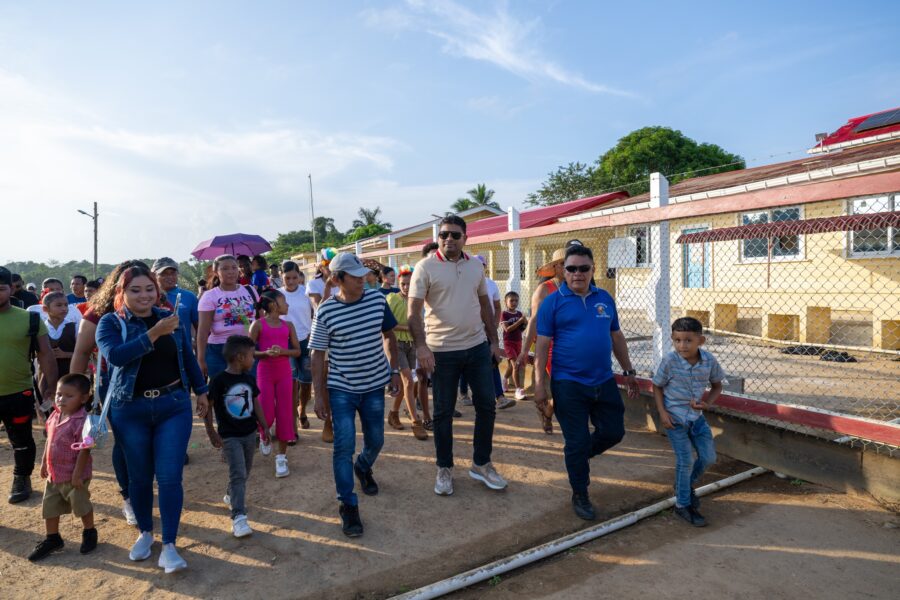
By Mark DaCosta-In a significant show of solidarity, Azruddin Mohamed, the leader of the We Invest in Nationhood (WIN) party, visited Karawab Village during the ongoing Indigenous Heritage celebrations, marking a crucial engagement with the Indigenous community. Known for his longstanding commitment to advocating for the rights and recognition of Indigenous Peoples, Mohamed’s visit underscores the importance of inclusivity and cultural pride.
During his visit to the Amerindian satellite village of St. Monica, which is home to the Carib tribe, Mohamed was accompanied by WIN representatives Denitta, Romona, and Beverley. Together, they participated in the vibrant festivities that highlight the rich heritage and traditions of the Amerindian community. Located approximately 40 miles from Charity on the Essequibo Coast, Karawab is a remote village that can only be accessed via the river, adding to its unique charm and cultural identity.
In a heartfelt address to the villagers, Mohamed expressed his gratitude to his supporters for their resilience and loyalty in the recent elections. His presence in the village was not merely for ceremonial purposes but rather to reinforce a message of continued support.
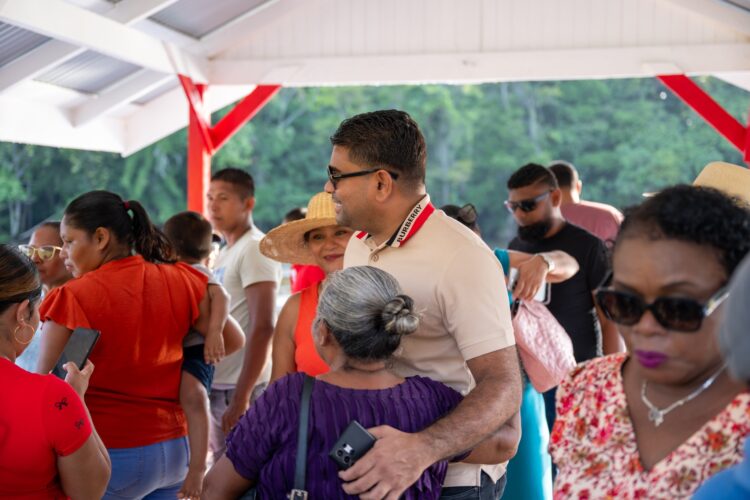
He remarked, “The Amerindian people of Karawab, like so many across our nation, remain proud custodians of their heritage, and it is admirable that they continue to preserve their culture.” This statement resonates strongly with a community often overlooked by mainstream political narratives, especially during election cycles when their votes are sought after but their voices are silenced the rest of the time.
Azruddin Mohamed’s advocacy for Indigenous Peoples stands in stark contrast to the actions of the ruling People’s Progressive Party (PPP). Historically, this party has often marginalised these communities, relegating them to the periphery of national discourse. It is during election periods that they become a focal point for politicians seeking to curry favour for electoral gain. However, unlike many of his peers, Mohamed continues to engage with Indigenous communities throughout the year, demonstrating a genuine commitment to their development and empowerment, not just when it is politically expedient.
His visit to Karawab is emblematic of a larger vision for our country, one that incorporates diverse voices into the national dialogue and acknowledges the crucial role that Indigenous cultures play in the fabric of our society. In the context of the broader narrative of our nation, such visits serve not only to celebrate Indigenous heritage but also to highlight the ongoing struggles and aspirations of these communities.
The Amerindian population, while representing a rich cultural heritage, faces numerous challenges, including economic disenfranchisement and social marginalisation. Mohamed’s interactions in Karawab – and other Indigenous communities – reflects significant steps toward bridging the gap between Indigenous communities and the political landscape of our nation. He has said that his approach advocates for a more equitable society where the rights and needs of all citizens, including Indigenous peoples, are prioritised and respected.
Critics of the PPP’s policy framework argue that the party’s historical neglect of Indigenous communities reflects a larger pattern of governance that prioritises urban development over rural equity and cultural recognition. By fostering dialogue with leaders like Mohamed, communities in Karawab are not only celebrating their heritage but also asserting their demands for recognition, rights, and resources, holding the government accountable for its promises.
The WIN party’s post-elections engagement in Karawab represents a refreshing shift in the political landscape of our country. For too long, Indigenous peoples have been pawns in a political game, used only for their votes. According to analysts, with leaders like Azruddin Mohamed advocating for meaningful engagement and sustained relationships, there is hope for a future where these communities receive the respect and attention they deserve year-round, not just during election seasons.
As the Indigenous Heritage celebrations continue, it is critical for all political parties, including the PPP, to take note of the significant sentiment expressed by communities like Karawab. It is not merely a celebration; it is a call to action for recognition, justice, and equitable development for Indigenous peoples.