A veteran Caribbean maritime expert has joined the growing chorus of voices questioning the decision to criminally charge three Transport and Harbours Department employees before the completion of the official investigation into the MV Barima disaster, warning that doing so risks undermining internationally accepted principles governing marine casualty investigations.
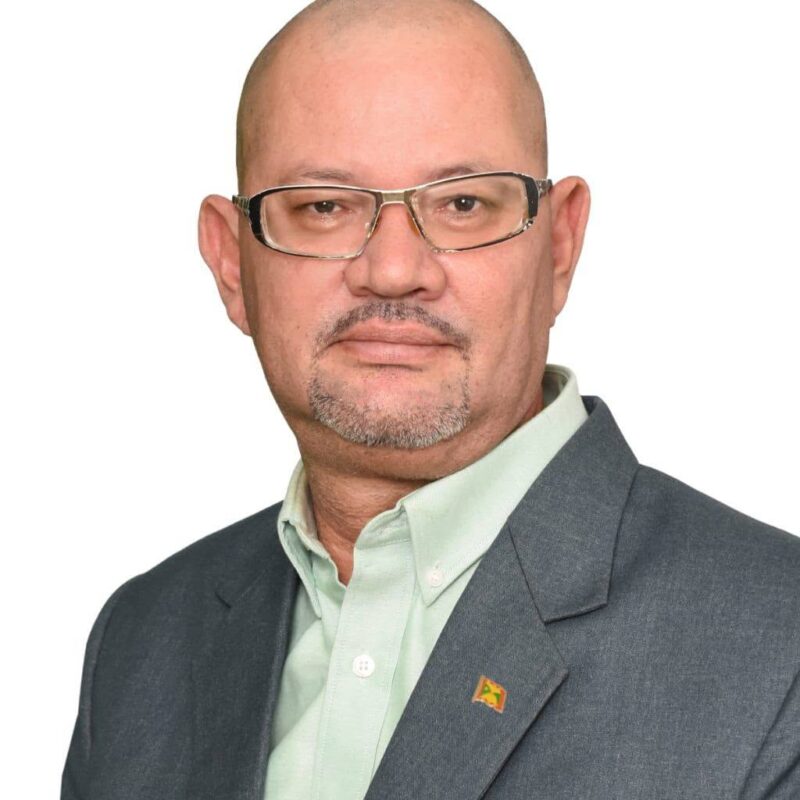
Captain Theophilus Bethel, a Grenadian Master Mariner, Marine Surveyor, Marine Accident and Incident Investigator, and Maritime Safety Consultant with more than 24 years of international maritime experience, issued the statement in response to a social media post by a Guyanese-American influencer who wrote: “I fully support the decision to charge the captain and crew of the MV Berima ferry. They had a duty of care to protect the passengers entrusted to them and to take every reasonable measure to ensure their safety.”
Bethel’s response drew more than 160 reactions and generated scores of comments, reflecting the increasingly polarised public debate over the prosecution.
“First and foremost, my deepest condolences go to the families of those who lost their lives and to everyone affected by this tragedy. Every marine casualty deserves a thorough, transparent, and impartial investigation,” Bethel wrote.
His intervention comes after Captain Kevin Price, Chief Mate Rondell Dwayne Roberts, and Goods Superintendent Delon Granderson were jointly charged with murder in connection with the July 18 sinking of the state-owned ferry. The men have been remanded to prison and are due to return to court on August 3.
The charges have sparked widespread debate among legal practitioners, opposition and civil society organisations, the Guyana Trades Union Congress (GTUC) and maritime professionals, many of whom have questioned whether criminal proceedings should have commenced before the conclusion of the official investigation into the disaster.
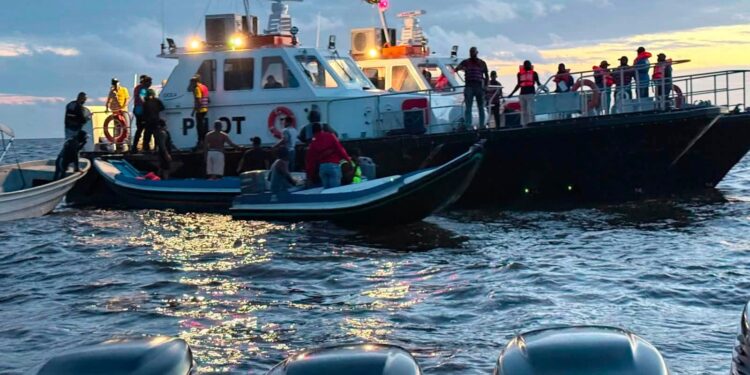
The 87-year-old MV Barima capsized while sailing from Georgetown to Port Kaituma with approximately 179 people aboard. Authorities have confirmed 76 survivors and 73 recovered bodies, while 30 people remain missing, making it one of the deadliest maritime disasters in Guyana’s history.
Bethel stressed that the purpose of a marine casualty investigation is not to assign blame but to determine the causes of an accident and identify measures to prevent future tragedies.
“Marine casualty investigations are governed by internationally recognised principles that seek to establish what happened, why it happened, and what measures can be taken to prevent similar accidents in the future. The primary purpose of such investigations is to improve maritime safety—not to apportion blame prematurely,” he said.
He argued that investigators must first examine every aspect of the disaster, including the vessel’s condition, loading, stability, weather, machinery, maintenance history, crew actions and regulatory compliance.
“It is a fundamental principle of maritime casualty investigation that all available evidence should be gathered, preserved, and objectively examined before conclusions are reached regarding the causes of an accident or the responsibilities of any individual or organization,” Bethel said.
While acknowledging that criminal proceedings may ultimately be warranted, the maritime expert cautioned that such decisions should be guided by evidence uncovered during the investigation.
“Where criminal proceedings are being considered, those decisions should ideally be informed by the available evidence and made in accordance with the applicable laws and procedures of the jurisdiction. It is important that due process is respected and that individuals are not presumed responsible before the relevant investigations have established the facts.“
Bethel concluded by urging authorities and the public to allow investigators to complete their work without outside influence.
“As maritime professionals, we must allow investigators to conduct an independent, evidence-based inquiry free from speculation or external influence,” he said. “Only after the investigation is completed and the findings are carefully assessed can informed decisions be made regarding any enforcement or legal action that may be appropriate.“
His comments add the perspective of an experienced international maritime investigator to an expanding debate over whether Guyana’s pursuit of criminal accountability has outpaced the fact-finding process intended to determine what caused one of the nation’s worst maritime disasters.
The political opposition has also called for a separate maritime casualty investigation in accordance with internationally accepted standards, arguing that an independent technical probe is essential to determine the causes of the MV Barima disaster and prevent similar tragedies. To date, the Government has not publicly responded to that call or indicated whether it will establish a standalone marine casualty investigation alongside the Commission of Inquiry.