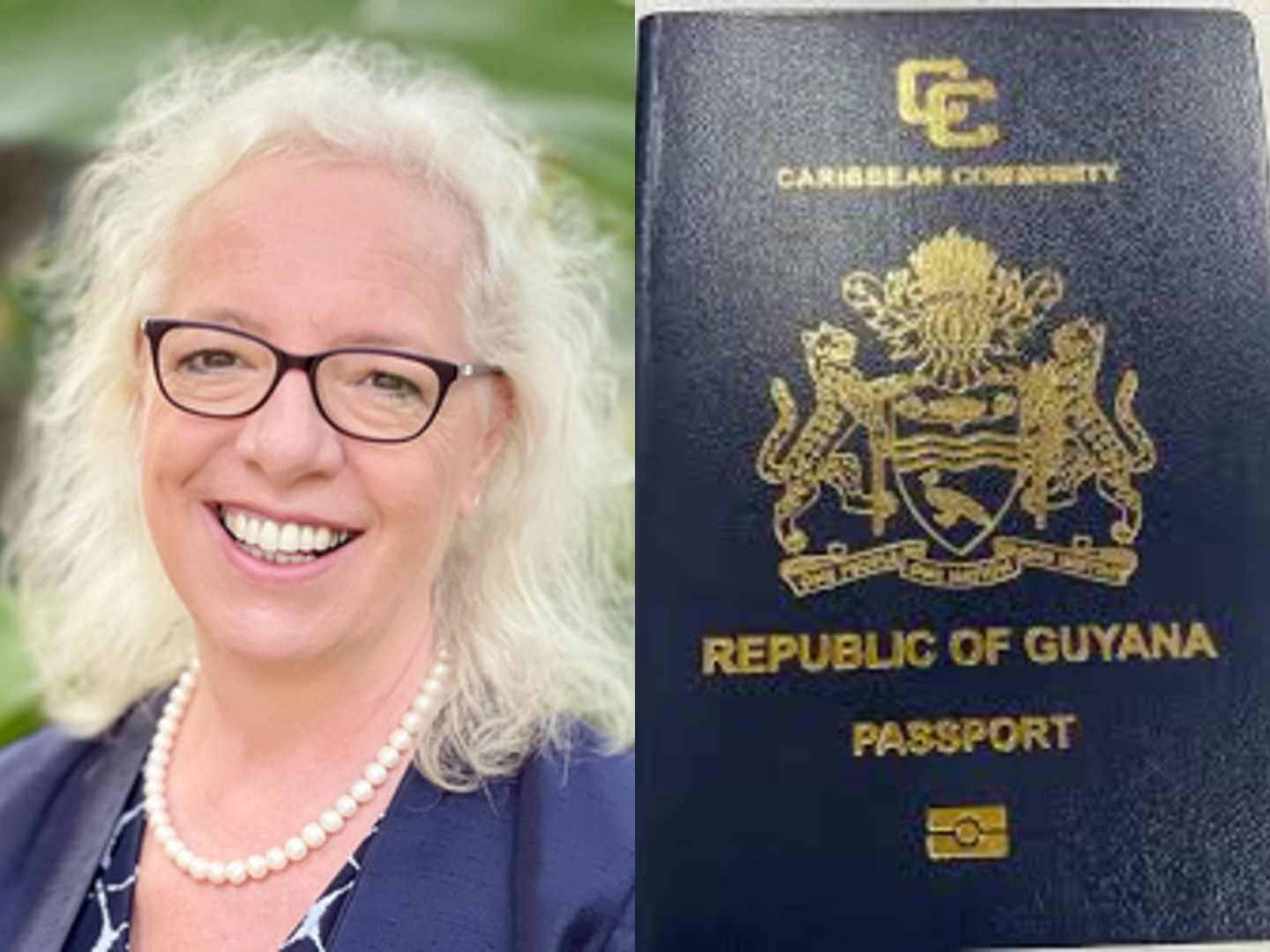
By Mark DaCosta-The UK Home Office has expanded its “deport now, appeal later” scheme to include Guyana among 15 newly listed countries, bringing the total covered nations to 23. The enlargement also adds Canada, India and Australia — alongside Angola, Botswana, Brunei, Bulgaria, Indonesia, Kenya, Latvia, Lebanon, Malaysia, Uganda and Zambia — to a policy that permits the immediate removal of certain foreign nationals convicted of crimes, with the right to pursue appeals remotely after they have been sent home.
The change means Guyanese sentenced in the UK who fall within the scheme’s criteria can be returned to our country before their legal challenges are heard in British courts; they would be expected to take part in any subsequent immigration appeal from abroad, typically by video link. Westminster ministers argue the measure is designed to stop convicted foreigners from using protracted appeal processes to remain in the UK, to ease pressure on overcrowded prisons and to cut the public cost of detention. Official figures cited by ministers indicate there are roughly 10,772 foreign national offenders in English and Welsh custody — about 12.3 percent of that prison population — and that prisons are operating close to full capacity. Of the prisoners from the fifteen newly included states, there were said to be 774 individuals, representing about 7 percent of the foreign offender cohort; among nationalities most represented in UK jails were Albanians, Irish, Indians and Pakistanis.
For citizens of our nation, the policy shift raises immediate and practical questions. Being placed on the list does not automatically mean every Guyanese in custody will be expelled — each case is supposed to be assessed against the statutory tests and human rights protections — but it does alter the timing and the logistics of how appeals are heard. Taking part in an appeal from a courtroom overseas may be straightforward in legal principle, yet in practice it can be obstructed by poor internet connections, time zone difficulties, limited access to lawyers, or the inability to meet with legal representatives in person. Lawyers and human rights groups have previously argued that such obstacles can undermine the fairness of the process; a UK Supreme Court judgment in 2017 warned that remote appeals risked being unlawful if they left appellants unable to participate effectively. The government’s response has been to negotiate remote hearing arrangements with partner states; whether those safeguards will be sufficient for callers from our nation remains to be seen.
Diplomatically, the expansion places new responsibilities on the Guyanese state. Consular services may face increased demand if nationals are returned and required to engage with the British legal system from Georgetown or elsewhere. There is also a political dimension: UK ministers have signalled an intent to keep enlarging the list, while opposition voices in Britain have used the announcement to press harder lines on migration. Some British politicians have warned that certain countries might refuse to readmit removed nationals — a scenario that could trigger threats of visa suspensions or other bilateral pressures. For a small nation with growing numbers of citizens abroad, such frictions carry reputational and practical costs, and could complicate existing diplomatic and migration arrangements.
At a community level, Guyanese families with relatives in British custody should be alert to changes in case timetables and prepare for possible remote hearings. Legal representatives here and in the UK will need to coordinate closely to ensure appellants can access counsel, documents and interpreters where required. Our nation’s legal and consular services must also weigh whether to seek formal understandings with London to guarantee the technical and legal integrity of remote appeals and to safeguard the welfare of returnees.
The policy expansion marks a significant shift in how the UK deals with foreign offenders and, for our country, it turns immigration law into a matter with immediate local consequences — legal, diplomatic and social. Those consequences will fall hardest on individuals and families caught between two systems; how well both capitals prepare for that reality will determine whether the new regime respects the rights of our citizens while addressing the UK’s domestic concerns.