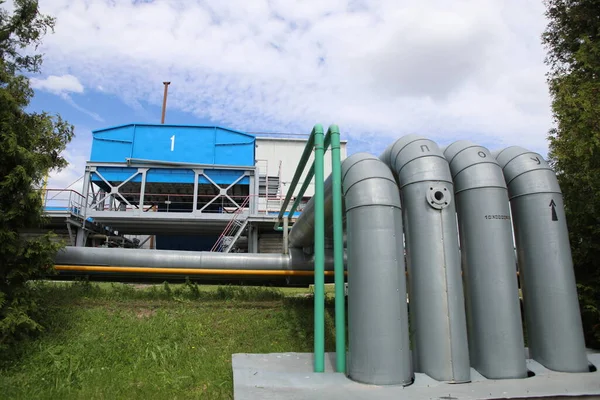
By Mark DaCosta- Residents of Coverden, a small village located along the East Bank of the Demerara River in Guyana, have expressed strong objections following the recent approval of an oil and gas waste treatment facility in their community. This development has caused alarm among residents who are concerned about the potential environmental and health risks associated with the facility.
Coverden, situated approximately 16 miles (26 km) south of Georgetown, is known for its lush greenery, rich agricultural lands, and burgeoning eco-tourism industry. The village has a close-knit community, largely dependent on farming and small-scale tourism. The introduction of an oil and gas waste treatment facility, operated by Professional Waste Solutions Incorporated (PWSI), has sparked fears that the village’s environment and way of life could be severely impacted.
Last week, it was revealed that the government had sanctioned a $214 million investment for the establishment of the waste treatment plant in Coverden. The agreement was signed by Senior Minister in the Office of the President with Responsibility for Finance and Public Service, Dr. Ashni Singh. The news was met with widespread concern in the community, particularly due to PWSI’s lack of experience in managing oil and gas waste. Residents were also upset that the contract was awarded without any prior consultation with them, leaving those who would be most affected by the facility feeling ignored and sidelined.
The agreement was formalised when Guyana’s Chief Investment Officer, Dr. Peter Ramsaroop, handed over the contract to Mahendra Jettoo, the Chief Executive Officer of PWSI. Jettoo, a former landlord of Global Oil Environmental Services (GOES) and its local partner JAPARTS Guyana, is now leading this controversial project.
However, many residents recall that in 2021, GOES had applied to the Environmental Protection Agency (EPA) for approval to construct a similar facility in the same area. GOES, with its extensive experience in the oil and gas sector, underwent a rigorous approval process, including public consultations and Environmental Assessment Board (EAB) hearings. The EPA ultimately granted GOES approval to proceed, after thorough consideration of the company’s expertise in handling hazardous materials.
In contrast, PWSI’s approval has raised questions due to the apparent lack of oversight and public consultation. Unlike the GOES project, PWSI was not required to conduct an Environmental Impact Assessment (EIA) or produce an Environmental Management Plan (EMP), which has deepened the community’s mistrust of the process.
Residents of Coverden are particularly concerned about the potential risks to their health, local agriculture, and the eco-tourism industry that the village has been cultivating. They argue that the waste treatment facility is incompatible with Coverden’s economic focus and could have devastating consequences for their livelihoods and well-being.
In response to these developments, the community is mobilising to protect their interests. A town hall meeting has been scheduled for August 31, 2024, where residents will discuss their concerns and plan their next steps. Protests are also being organised outside the PWSI facility to raise awareness and demand greater accountability from the authorities.
Residents are also seeking legal advice to explore options for challenging the approval process. They are calling on the government to reconsider the placement of such facilities and to develop a comprehensive policy for the collection, treatment, and disposal of oil and gas waste. They argue that such a policy should prioritise community safety and environmental protection over economic expediency.
As tensions rise in Coverden, the residents remain steadfast in their opposition to the waste treatment facility. They are determined to safeguard their community and ensure that any future developments align with the village’s core values and economic aspirations.
The controversy surrounding PWSI’s waste treatment facility highlights the need for greater transparency and public involvement in decisions that could have significant impacts on local communities. As the situation continues to unfold, the government is being urged to adopt a more thoughtful and inclusive approach to future developments, particularly in areas like Coverden, where the environment and community well-being are at stake.