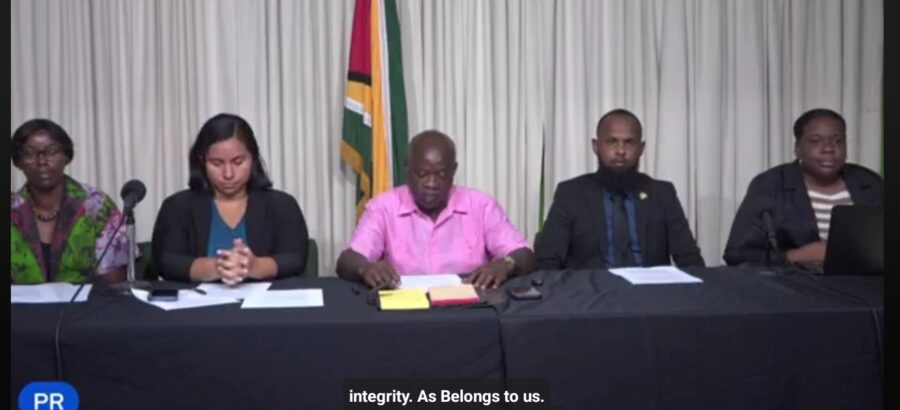
By Mark DaCosta- A Partnership for National Unity (APNU) says Parliament’s approval of new heritage legislation should open a period of public oversight rather than close the debate. At a press conference on 20 November 2026, the coalition said it backs the protection of our nation’s heritage. It argued, however, that the Government rushed the law through with too few safeguards for citizens, Indigenous communities and owners of historic property. It also pressed the authorities on whether young people will get dependable access to community sports facilities.
The National Heritage Preservation Bill 2026 passed the National Assembly on last Wednesday, 18 November. It followed nearly five hours of debate and replaces the National Trust Act of 1972. APNU says the Government allowed only a week between the Bill’s first reading and its passage, and declined to send it to a Special Select Committee. Of the amendments the coalition tabled, only one was adopted, a requirement that a report be laid before the Assembly. APNU also noted that the Minister cited technical work and consultation done while the Bill was being drafted. In its view, that is no substitute for continuing accountability once the law is in force. “The passage of this legislation must not mark the end of public scrutiny,” the coalition declared.
The group’s central worry is intangible heritage, the traditions and cultural practices it calls the soul of the country. It argues the law concentrates on physical sites and leaves these living customs exposed. APNU also pushed for a guaranteed voting seat on the Heritage Council for a nominee of the National Toshaos Council, citing Indigenous peoples’ legal ties to their lands. It further wants Village Councils consulted before decisions affecting heritage on or linked to their territory.
Ministerial influence is another sticking point. The coalition objects to the Minister’s role in appointing and removing Council members and in issuing policy directions. It wants open appointment procedures, defined grounds for removal, secure terms of office and regular public reports. The Bill allows restrictions on altering, transferring or selling designated properties, and in certain circumstances compulsory acquisition. APNU says owners need an impartial route to challenge decisions without expensive court action. It also wants independent valuations, fair compensation, conservation grants, technical help and financial incentives. The coalition asks the Ministry to publish draft regulations for public comment, set out how objections will be handled and explain owners’ rights and duties. “Our heritage does not belong to any political party or government,” APNU stressed.
The coalition turned next to community sport. FIFA has confirmed that mini pitches are finished at Haslington and Linden, and the Government plans to co-invest in ten across the country. APNU welcomed the idea but wants the Ministry to disclose how sites are chosen, where they are, what they cost, when they will be finished and who will maintain them and manage community use, including training for managers. It says the pitches must be safe, affordable and open after school, with supervision and programmes that include girls and young people with disabilities.
APNU also pointed to the Auditor General’s 2025 report, which listed Culture, Youth and Sport among three ministries with contractor overpayments still unrecovered. The outstanding total was G$20.616 million across all three. The coalition wants the Ministry’s share disclosed, the state of recovery confirmed and a method set out for verifying works before future payments. It also seeks quarterly public updates on the condition and use of community grounds, so families know which are open.