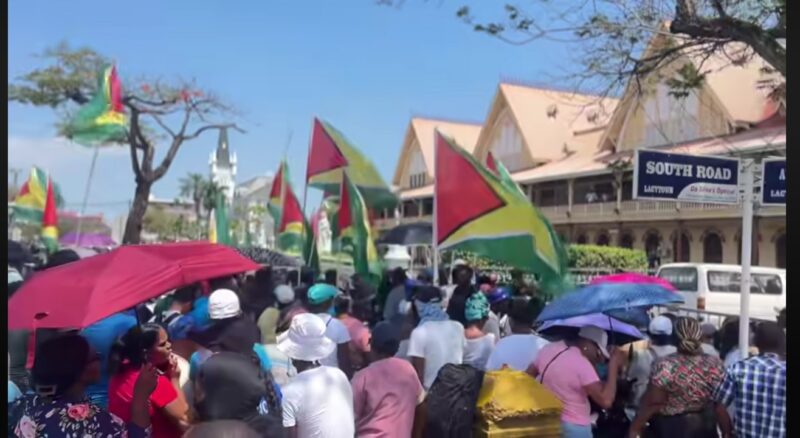
The Office of the Leader of the Opposition has announced a peaceful picketing exercise outside the Guyana Marriott Hotel in Kingston, Georgetown, on Friday, November 20, as regional and international judicial officers gather for the Ninth Biennial Conference of the Caribbean Association of Judicial Officers (CAJO).
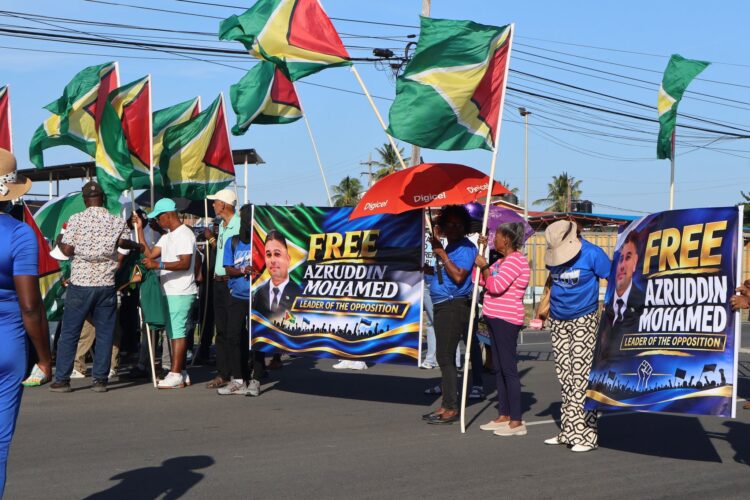
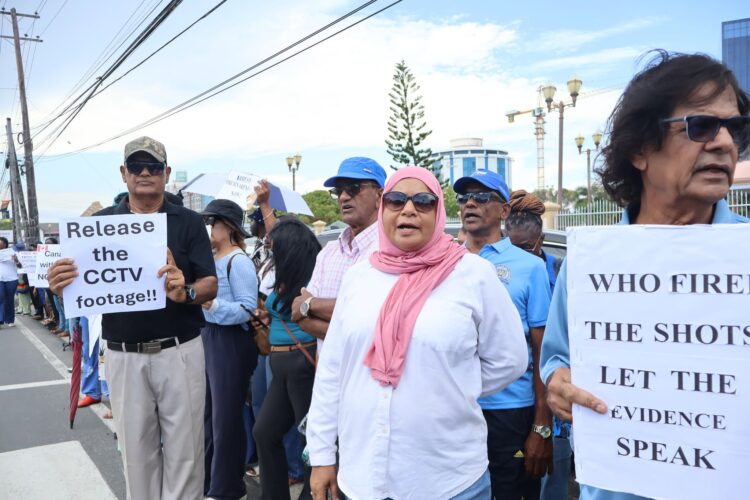
The demonstration, scheduled from 10:00 a.m. to 11:30 a.m., is intended to draw attention to concerns surrounding the continued detention and treatment of Opposition Leader Azruddin Mohamed, as well as broader questions about alleged political persecution, judicial independence and the protection of constitutional rights in Guyana.
The decision to stage the protest outside the conference venue places Mohamed’s detention before an audience of senior judicial officials, including chief justices, judges, magistrates, registrars and court administrators from across the Caribbean and beyond.
In its public notice, the Opposition Leader’s Office said the exercise was intended to bring these concerns directly to the attention of regional and international judicial officers.
“The exercise will highlight concerns regarding the detention and treatment of Opposition Leader Hon. Azruddin Mohamed, M.P., political persecution, judicial independence, and the protection of fundamental constitutional rights in Guyana.”
Organisers emphasised that participants are expected to remain peaceful, orderly and respectful of the law.
The notice concluded with a familiar principle of judicial accountability:
“Justice must not only be done; it must be seen to be done.”
Protest Comes Amid Legal Battle Over Detention
The planned demonstration follows a series of court proceedings surrounding Mohamed’s continued detention at Lusignan Prison.
Mohamed, leader of the We Invest in Nationhood (WIN) party, was remanded on October 30 after being charged alongside Police Constable Ryan Greene under Guyana’s Cybercrime Act.
The charges concern allegations involving the unauthorised obtaining and transfer of surveillance footage from the Guyana Police Force’s Safe Country surveillance system.
Prosecutors allege that the footage was transferred in exchange for $800,000. Mohamed has not been convicted of the offence and remains entitled to the presumption of innocence.
Following the magistrate’s refusal to grant bail, Mohamed’s mother, Bonita Mohamed, initiated judicial review proceedings challenging the legality of that decision.
On November 18, High Court Justice Priscilla Chandra-Hanif dismissed the application seeking to overturn Magistrate Abigail Gibbs’ October 30 ruling.
The decision left Mohamed’s remand in place, although the judge indicated that he remained entitled to renew his application for bail before the magistrate as the criminal proceedings progressed.
The Opposition has raised concerns about the circumstances of his detention and the implications for his ability to discharge his parliamentary responsibilities.
The authorities, however, have maintained that the proceedings must be determined according to established legal principles, with the courts considering both the accused’s constitutional rights and the administration of justice.
Judicial Independence Under Regional Spotlight
The protest coincides with the three-day CAJO conference, being held from November 19 to 21 under the theme “Changing Fundamentals of Judging.”
The gathering brings together approximately 194 delegates to examine challenges confronting Caribbean judiciaries, including public confidence, judicial independence, technological change and the administration of justice.
At Thursday’s opening ceremony, President Irfaan Ali addressed the importance of public trust in judicial institutions, arguing that independent courts must retain public confidence while adapting to changing social and technological circumstances.
He also cautioned against intimidation of judicial officers, distinguishing legitimate criticism of court decisions from attempts to improperly influence judicial proceedings.
Against that backdrop, Friday’s planned demonstration brings competing concerns into focus: the Opposition’s demand for scrutiny of Mohamed’s detention and the responsibility of judicial institutions to determine cases independently, without political interference or public pressure.
The Opposition has characterised Mohamed’s treatment as part of a broader pattern of political persecution, an allegation that remains contested.
The courts have not established that his detention constitutes political persecution.
Nevertheless, the decision to stage the picketing exercise during a major regional judicial conference reflects the Opposition’s effort to place its concerns before an audience extending beyond Guyana’s borders.
The demonstration is expected to focus attention not only on Mohamed’s personal liberty but also on the broader constitutional principles of due process, equality before the law and the independence of the judiciary.
Whether those concerns receive any formal consideration from conference participants remains to be seen.
For the Opposition, however, Friday’s exercise represents another public challenge to Mohamed’s continued detention, this time before a gathering of judicial officers whose conference is devoted to strengthening the administration of justice throughout the Caribbean.